Kimono & Tea Ceremony at a 140-Year-Old Machiya Museum Kyoto
- DurationAbout 1.5 hours
- Daily
- Group
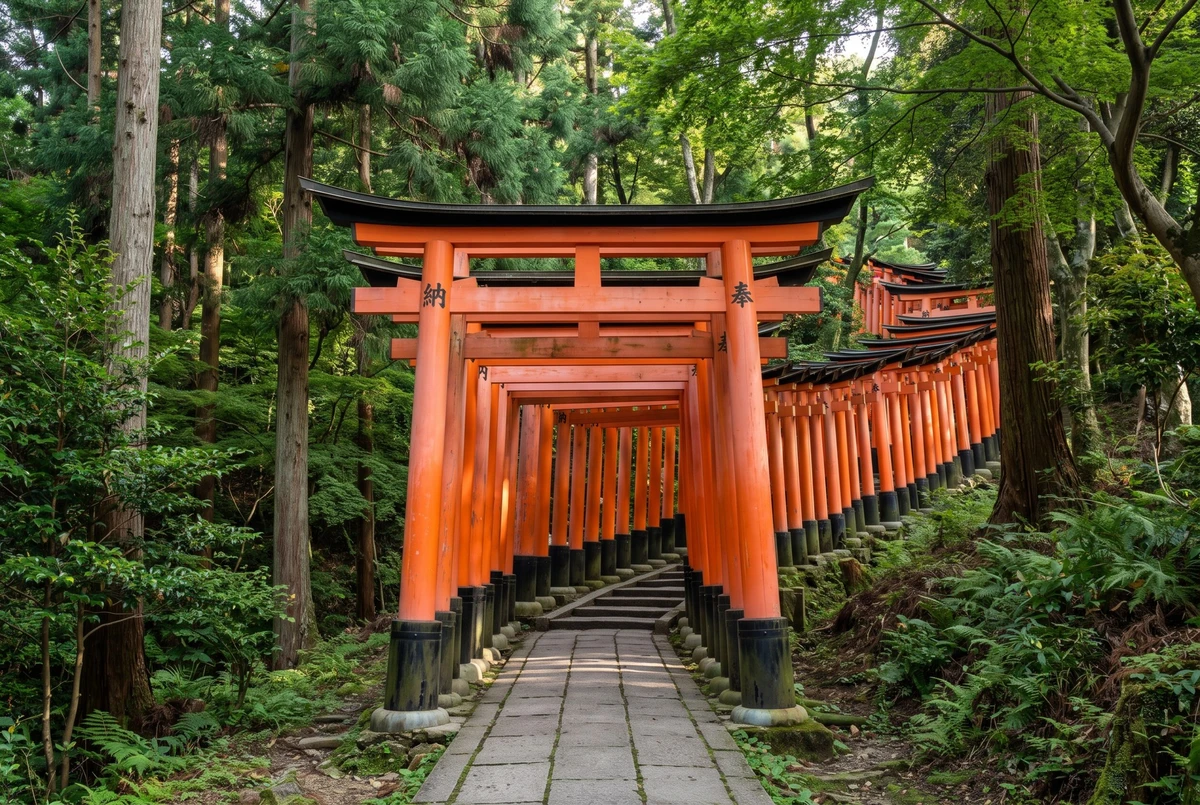
Some images are AI-generated for illustration. While we confirm your booking, just ask and we will send you the original photos.
- Fair, honest prices
- Real people, not bots
- Confirm, then pay
- Secure payment

Overview
This kimono and tea ceremony experience in Kyoto takes place inside a 140-year-old machiya, a traditional wooden townhouse in the Nishijin weaving district that is now a museum and a nationally registered cultural property. Experienced dressers fit you in a silk kimono over your own clothes, then you explore the house with its fine woodwork, small inner gardens and historical artifacts, helped by a talking AI guide in six languages. The highlight is a tea ceremony performed by a seasoned tea master, with matcha and a Japanese sweet. The standard session is shared with other guests and lasts about 1.5 hours; a private session for your own party is also available. Bring socks, as bare feet are not allowed.
Highlights
- Tea ceremony performed by a seasoned tea master, with matcha and a Japanese sweet
- Wear a high-quality silk kimono, fitted over your clothes by experienced dressers
- Explore a 140-year-old machiya registered as a national cultural property
- Fine woodwork, inner gardens and historical artifacts of old Kyoto
- Talking AI guide on the house and Nishijin history in six languages
- Beautiful settings for photos in kimono
- Shared standard session or private session for your party
- About 1.5 hours in Kyoto's historic Nishijin district
Full Description
A 140-year-old machiya townhouse museum
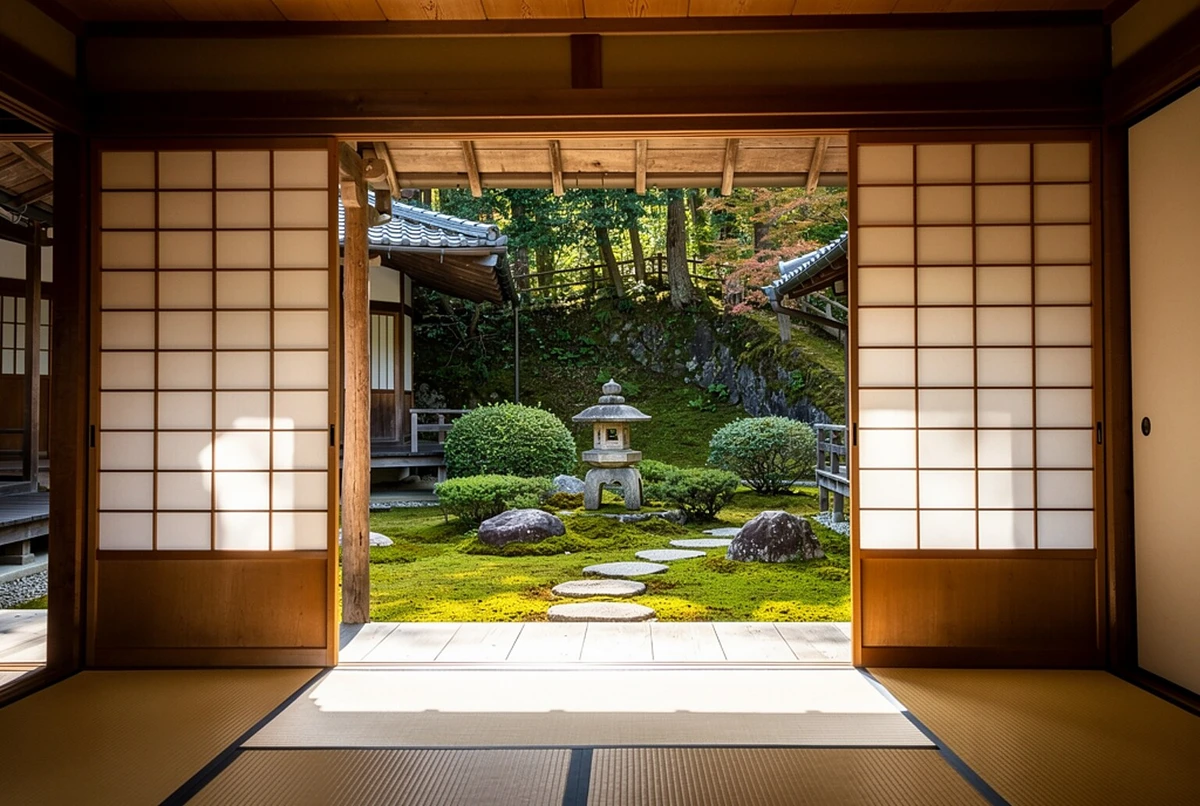
Kyoto's machiya are the wooden townhouses where merchants and craftsmen lived and worked for centuries. This one has stood for about 140 years and is now a museum of Japanese culture, recognised nationally as a registered cultural property. From the street you see the classic features: a narrow frontage with wooden lattice, a tiled roof and a modest entrance that hides a surprisingly deep house.
Inside, rooms open one after another towards the back, linked by an earth-floored passage and lit by small inner gardens that bring air and light into the heart of the building. The finely crafted woodwork, sliding screens and tatami rooms are filled with historical objects, each with its own story. Staff guide you through the house, and a talking AI guide answers your questions about the architecture, Kyoto customs and the museum's exhibits in Japanese, English, Korean, Chinese, French or Spanish.
Nishijin, Kyoto's historic weaving district
The museum stands in Nishijin, in Kyoto's Kamigyo ward, the district that has produced the city's finest silk brocades for more than five centuries. Its name means western camp, after an army that was stationed here during a long civil war in the 15th century; when peace returned, weavers settled in the area and their looms filled its narrow lanes.
Nishijin brocade is still used for the most precious kimonos and obi sashes, and walking the quieter streets around the museum you can still find rows of old townhouses and the occasional sound of a loom. It is a calmer side of Kyoto than Gion or Arashiyama, and a natural place to wear a kimono. If you are wondering how to get to Nishijin, city buses run along Horikawa and Imadegawa streets, and the area combines well with Kitano Tenmangu Shrine or the Kyoto Imperial Palace park nearby.
Wearing a silk kimono in Kyoto
On arrival, a team of experienced kimono dressers welcomes you and helps you choose a high-quality silk kimono. They fit it directly over your own clothes, wrapping and tying the layers and the wide obi sash quickly and neatly, so the dressing is smooth and comfortable. Wearing clothes that are not too tight around the neck helps the kimono sit perfectly.
Dressed in kimono, you move through the townhouse as its residents once did, kneeling on tatami, stepping over thresholds and pausing beside the gardens, which makes for beautiful, natural photos in a genuine historic setting rather than a studio. Hair styling and makeup are not part of this experience, and socks are required, as bare feet and stockings are not allowed on the tatami. Many visitors ask whether a kimono experience in Kyoto is worth it; inside a real cultural property, it feels authentic and unforgettable.
The Japanese tea ceremony with a tea master
The heart of the visit is a traditional tea ceremony performed by a seasoned tea master. Tea has been part of Japanese culture for centuries, and the ceremony turns the simple act of preparing a bowl of matcha into a calm ritual of precise movements, seasonal details and respect for the guest, the spirit of Japanese hospitality known as omotenashi.
You watch the master clean the utensils, measure the bright green powdered tea and whisk it into a light froth, then receive your own bowl together with a Japanese sweet that balances the tea's gentle bitterness. The staff explain how to hold and turn the bowl and why each gesture matters. In the standard plan you share the ceremony with other guests and it starts on time; choose the private option if you prefer the room to yourselves. It is one of the best tea ceremony experiences in Kyoto for first-timers.
Itinerary
- Arrival at the machiya museumCheck in at the townhouse museum in Nishijin and leave your shoes at the entrance.
- Kimono dressingChoose your silk kimono and be dressed over your clothes by experienced dressers, about 20 to 30 minutes.
- Tour of the townhouseExplore the rooms, gardens and historical artifacts with staff and the talking AI guide, about 20 minutes.
- Tea ceremonyWatch the tea master prepare matcha and enjoy your own bowl with a Japanese sweet, about 30 minutes.
- Photos and changeTake photos in kimono around the house, then change back, ending after about 1.5 hours in total.
What's included
- Entrance to the machiya museum
- Silk kimono dressing over your clothes by experienced dressers
- Guided look at the rooms, gardens and historical artifacts
- Tea ceremony by a tea master, with matcha and a Japanese sweet
- Talking AI guide on the house, Kyoto customs and Nishijin history (6 languages)
Not included
- Socks (bring your own)
- Hair styling and makeup
- Hotel pickup and drop-off
Is this right for you?
Great for
- Groups who want privacy — a private option is available
- History and culture lovers
- Food lovers
Meeting point
Meet at the machiya museum at 697 Ishiyakushi-cho, Kamigyo Ward, in Kyoto's Nishijin district. Please arrive a few minutes before your start time and bring socks. City buses on Horikawa and Imadegawa streets stop nearby; we send the map pin with your booking confirmation. There is no hotel pickup.
Important information
- Bring socks; bare feet and stockings are not allowed
- Wear clothes that are not too tight around the neck
- Staff cannot dress you in a kimono over a wet T-shirt; bring a spare if it is hot or rainy
- Hair styling and makeup are not included
- In the shared plan the tea ceremony starts on time and there may be short waits
- Not all staff speak fluent English; a translation device may be used
- Arrive on time for your session
Good to know
Frequently Asked Questions
Straight answers to what travellers ask us most, before they book.
Is this a shared or a private experience?
The standard plan is shared with other guests. A private option for your own party is also available in the booking panel.
How long does the experience take?
About 1.5 hours, including kimono dressing, the house tour and the tea ceremony.
Is hotel pickup included?
No. You meet at the machiya museum in the Nishijin district, reachable by city bus or taxi.
What is included?
Museum entrance, silk kimono dressing, a tour of the townhouse, the tea ceremony with matcha and a Japanese sweet, and the talking AI guide.
Is the price per person or per group?
Both options are priced per person. The booking panel on this page shows the current prices for the shared and private sessions.
Is it suitable for children or people with reduced mobility?
Children are welcome. The tea ceremony is held on tatami in a historic house, so guests who find kneeling or steps difficult should tell us in advance.
Do I need to bring anything?
Yes, socks are required. Wear comfortable clothes that are not tight at the neck, and bring a spare T-shirt in hot or rainy weather.
Is hair styling or makeup included?
No, this experience includes kimono dressing only, without hair styling or makeup.
What is the difference between the shared and private options?
The content is the same; the private option gives your party the house tour and tea ceremony without other guests and at different start times.
Can I take photos in the kimono?
Yes. The rooms, lattice windows and inner gardens of the townhouse make beautiful settings for photos in kimono.
What language is the experience in?
The instructor speaks English and Japanese, with a translation device when needed, and the AI guide answers in six languages.
How do I book and confirm?
Choose the shared or private option, your date and time in the booking panel, and send your request. Our team confirms on WhatsApp within minutes.
More in Kyoto
Popular across Japan
-
-
-
-

-
-