Traditional Tea Ceremony at Jotokuji Temple Kyoto
- Duration70 minutes
- Daily
- Group
Some images are AI-generated for illustration. While we confirm your booking, just ask and we will send you the original photos.
- Fair, honest prices
- Real people, not bots
- Confirm, then pay
- Secure payment

Overview
Take part in a genuine Japanese tea ceremony inside a working Buddhist temple in central Kyoto. This 70-minute small-group experience at Jotokuji Temple begins in the temple grounds with a traditional purification ritual, then moves into the Grand Tearoom, where an English-speaking tea master guides you step by step through chanoyu, the way of tea. You watch matcha being prepared with practised, graceful movements, learn how to receive and drink it, and hear what each gesture means. Groups are limited to 10 participants, and seats or stools are available for anyone who cannot sit on the floor. It suits curious travellers, couples and families with children from 5 years. There is no hotel pickup; you meet at the temple, a short walk from Gojo Street.
Highlights
- Authentic chanoyu tea ceremony in the Grand Tearoom of a Kyoto temple
- Traditional purification ritual in the temple grounds before you enter
- Matcha prepared and served by an English-speaking tea master
- Learn the meaning behind each gesture, utensil and bow
- Small group limited to 10 participants
- Seats or stools on request for those who cannot sit on the floor
- Quiet temple setting away from Kyoto's crowded sights
- Afternoon sessions that fit easily into a day of sightseeing
Full Description
Jotokuji Temple
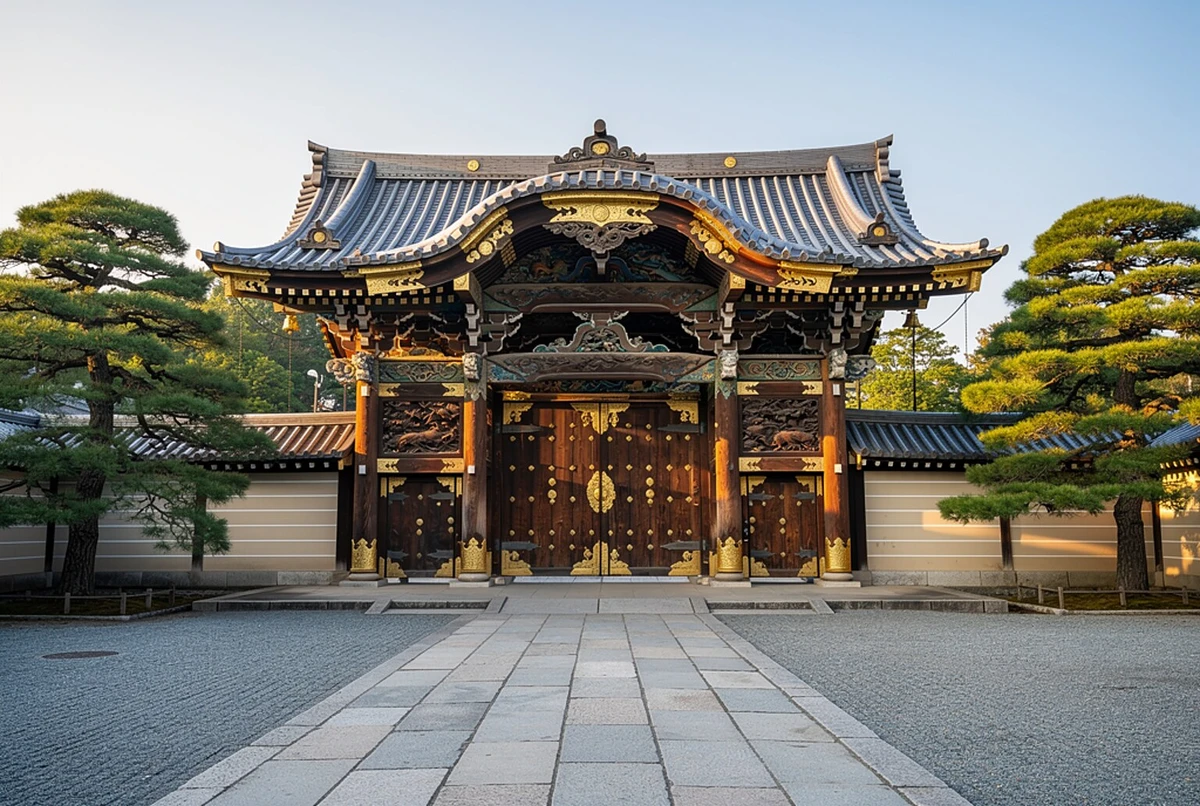
Jotokuji is a small, working Buddhist temple in the quiet streets of Shimogyo ward, just south of Gojo Street in central Kyoto. Unlike the city's famous temples, it sees few tour groups, and stepping through its main gate feels like entering a neighbourhood sanctuary: a modest main hall, a gravel courtyard, a purification fountain and red benches where visitors sit and wait in the shade.
You arrive a little before your session, pass the entrance to the Grand Tearoom on your left and a small parish shop beside it, and meet your guide at the red benches. There is time to admire the temple architecture and enjoy the calm before the ceremony begins. A tea ceremony at a Kyoto temple is a rare chance to experience this tradition in the kind of setting where it first grew.
The Purification Ritual and the Tearoom
Every ceremony begins with purification. At the stone water basin of the temple, you take a wooden ladle, rinse your left hand, then your right, and finally your mouth, a symbolic act of leaving the dust of the outside world behind. For many first-time visitors this simple ritual is one of the most memorable moments of the experience.
You then remove your shoes at the entrance of the Grand Tearoom, climb its three steps and take your place on the tatami mats with your group. Traditionally guests kneel in the formal seiza position, but seats and stools are available for anyone uncomfortable sitting on the floor. The tea master explains how to enter, where to look and how to bow, so you are ready to take part rather than simply watch.
Chanoyu: The Way of Tea
Chanoyu, literally hot water for tea, grew from the tea-drinking customs that Zen monks brought from China, and was shaped into a refined art by tea masters of the 16th century. It is built on four principles, harmony, respect, purity and tranquillity, and on the idea that each gathering is a once-in-a-lifetime meeting that will never happen in the same way again.
In the Grand Tearoom the tea master cleans each utensil with precise movements, scoops the bright green powder with a bamboo spoon, adds hot water and whisks it to a fine foam with a bamboo whisk. You learn how to receive the bowl with a bow, turn it before drinking, finish the tea in a few sips and admire the bowl afterwards. The Japanese tea ceremony experience in Kyoto lasts about 70 minutes in total.
Matcha and Kyoto's Tea Heritage
Matcha is made from shade-grown green tea leaves that are steamed, dried and ground into a fine powder in stone mills. The Uji area just south of Kyoto has produced some of Japan's most prized tea for centuries, which is why Kyoto remains the heart of the country's tea culture. Its taste is rich and slightly bitter, with a sweet, grassy finish.
After the ceremony you are a short walk from Gojo Street, the Kamo River promenade and the busy shopping streets around Kawaramachi, and Kiyomizu-dera lies across the river in Higashiyama. Many travellers book the matcha tea ceremony in Kyoto early in their trip, because understanding the rituals makes visits to temples, gardens and tea shops far more meaningful.
Itinerary
- Arrive at Jotokuji TempleEnter through the main gate and meet your guide at the red benches near the tearoom (about 10 minutes before your start).
- Purification ritualCleanse your hands and mouth at the temple's water basin, guided by the tea master (about 10 minutes).
- Enter the Grand TearoomRemove your shoes, take your place on the tatami and learn the basic etiquette (about 10 minutes).
- Tea ceremonyWatch the tea master prepare matcha step by step, then receive and drink your tea while learning the meaning of each gesture (about 50 minutes).
What's included
- Traditional tea ceremony (chanoyu) workshop
- English-speaking tea master and guide
- Purification ritual at the temple
- Matcha tea prepared and served in the ceremony
- Small group of up to 10 participants
- Seats or stools on request for those who cannot sit on the floor
Not included
- Meals
- Kimono (can be rented separately)
Is this right for you?
Great for
- Families with children — a child price for ages 5–14
- History and culture lovers
- Food lovers
- A short visit — about 1 hour
Think twice if
- You want a private tour — this one is shared with other travellers
Not suitable for
- Children under 5 years
- Wheelchair users (the tearoom has three steps)
Meeting point
There is no hotel pickup. Meet at Jotokuji Temple, Gojo-sagaru, Tominokoji Street, in Shimogyo ward, Kyoto. Once inside the temple, face the main hall and look to your left: a few steps lead up to the tearoom, and your guide waits at the red benches nearby. The temple is within walking distance of Gojo Station on the Karasuma subway line. Please arrive 10 minutes before your session.
Important information
- Arrive 10 minutes before your session to enjoy the temple grounds
- You remove your shoes in the tearoom, so clean socks are a good idea
- Seats or stools are available on request for those who cannot sit on the floor
- The temple is wheelchair accessible, but the tearoom has three steps
- Meals are not included; kimono can be rented separately
- Please speak quietly and follow the tea master's guidance during the ceremony
- In rain you can wait under the shop's gable or inside the tearoom
- Not suitable for children under 5 years
Good to know
Frequently Asked Questions
Straight answers to what travellers ask us most, before they book.
Is this a shared or a private experience?
It is a shared small-group tea ceremony limited to 10 participants, led by an English-speaking tea master.
How long does the tea ceremony take?
About 70 minutes, including the purification ritual and the ceremony in the Grand Tearoom.
Is hotel pickup included?
No. You meet at Jotokuji Temple in Shimogyo ward, within walking distance of Gojo Station.
What is included?
The chanoyu workshop, an English-speaking tea master and guide, the purification ritual and matcha prepared and served during the ceremony.
Is the price per person or per group?
The price is per person, with a child rate. The booking panel on this page shows the current price.
Is it suitable for children or people with reduced mobility?
It is best for guests aged 5 and over. The temple is accessible, but the tearoom has three steps, so it is not suitable for wheelchair users.
Do I have to sit on the floor?
No. Traditionally guests kneel on tatami, but seats or stools can be provided for anyone who is not comfortable on the floor.
What should I wear?
There is no strict dress code; neat, comfortable clothes and clean socks are ideal. Kimono can be rented separately if you wish.
What does matcha taste like?
Matcha is rich and slightly bitter with a sweet, grassy finish. It contains caffeine, so you may wish to avoid it late in the day if you are sensitive.
Which session time is best?
Sessions run in the early and mid-afternoon, so you can pair the ceremony with sightseeing in central Kyoto or Higashiyama before or after.
What happens in bad weather?
The ceremony takes place indoors and runs in any weather. If it rains before the start, you can wait under shelter at the temple.
How do I book and confirm?
Choose your date and session time in the booking panel and complete your booking. Our team confirms your place on WhatsApp within minutes.
More in Kyoto
Popular across Japan
-

-
-

-
-
-