Gion Geisha District & Hidden Gems Walking Tour Kyoto
- Duration2 hours
- Daily
- Group
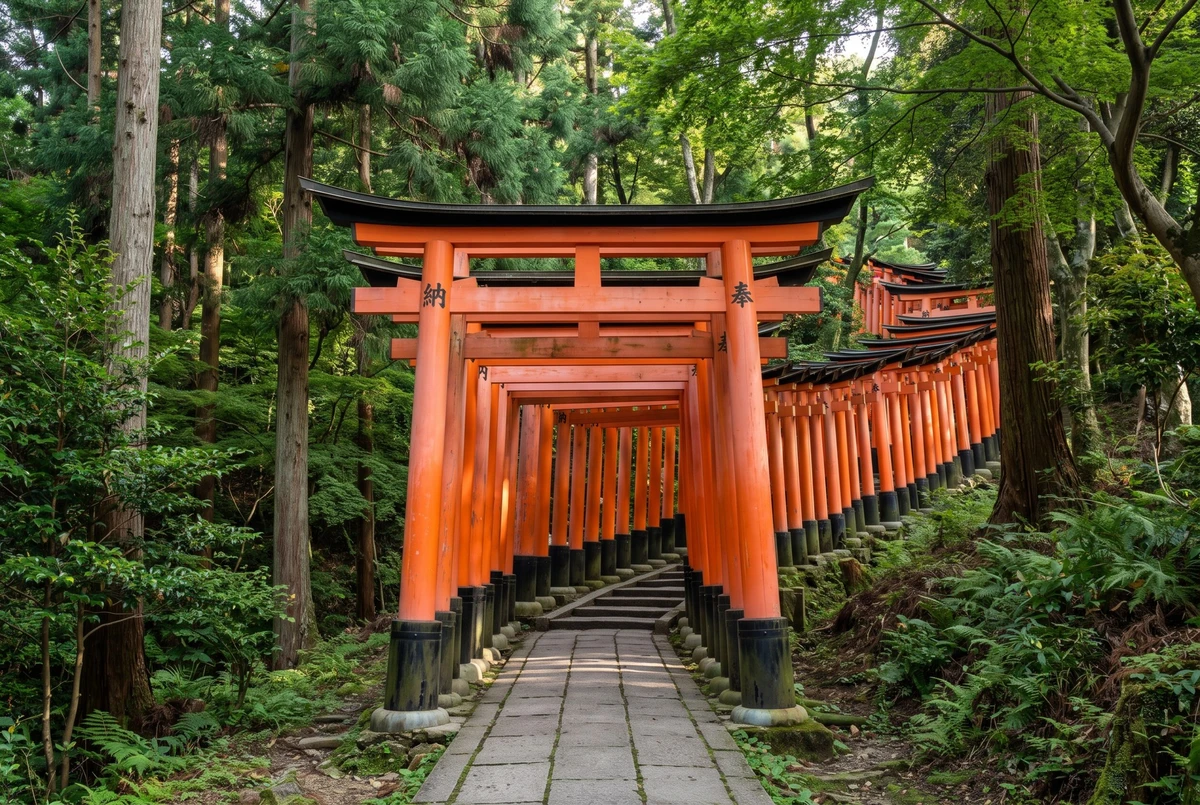
Some images are AI-generated for illustration. While we confirm your booking, just ask and we will send you the original photos.
- Fair, honest prices
- Real people, not bots
- Confirm, then pay
- Secure payment

Overview
Walk through the heart of old Kyoto on this 2-hour guided tour of Gion, the city's most famous geisha district. Your English-speaking guide starts at Gion Shirakawa, the willow-lined canal, and leads you past machiya townhouses and teahouse streets while explaining the history and origins of geisha culture. The route then reaches the Hokan-ji Pagoda, Kennin-ji, the oldest Zen temple in Kyoto, and the vast grounds of Chion-in, with hidden lanes and craft shops along the way. You may spot geiko and maiko on their way to appointments, the guide helps with photos at the best viewpoints, and you receive a list of recommended restaurants, shops and sights. It is a shared walking tour with afternoon, evening and night start times; there is no hotel pickup.
Highlights
- Gion Shirakawa, the willow-lined canal and its stone-paved lanes
- Machiya townhouses and the teahouse streets of the geisha district
- Stories on the history and origins of geisha culture in Kyoto
- The Hokan-ji Pagoda, symbol of Kyoto's skyline
- Kennin-ji, the oldest Zen temple in Kyoto, and the grounds of Chion-in
- A chance to spot geiko and maiko heading to appointments
- Help with photos at Gion's best viewpoints
- Your guide's list of recommended restaurants, shops and sights
Full Description
Gion Shirakawa
The tour starts in Gion Shirakawa, many travellers' favourite corner of Kyoto. The shallow Shirakawa canal runs beside a stone-paved lane lined with weeping willows, cherry trees and wooden teahouses, some built right over the water. Little Tatsumi Bridge and the tiny Tatsumi Daimyojin shrine, where geiko and maiko come to pray for progress in their arts, form one of the most photographed scenes in the city.
The area around Shinbashi Street has been protected as a historic preservation district since 1976, so new buildings must follow the traditional style. In spring the cherry blossoms hang over the canal, and in the evening the lanterns are lit and the reflections turn the water gold. A Gion Shirakawa walk is best with a guide who can explain what lies behind the elegant facades, which is exactly how this tour begins.
Machiya Townhouses and Teahouse Streets
Gion's lanes are lined with machiya, the traditional wooden townhouses of Kyoto. Their narrow street fronts and long, deep interiors earned them the nickname eel's beds, a shape linked to old taxes based on the width of the frontage. Curved bamboo fences protect the lower walls, and lattice windows let light in while keeping the life inside private.
Many of these buildings are ochaya, teahouses where geiko and maiko entertain invited guests. Your guide explains how geisha culture grew from the teahouses that served pilgrims to Yasaka Shrine into a refined art of dance, music and conversation, how a young woman trains as a maiko for years before becoming a geiko, and what the name plaques by the doors mean. This is your best chance of a respectful glimpse of a geiko or maiko hurrying to an appointment.
Kennin-ji Temple
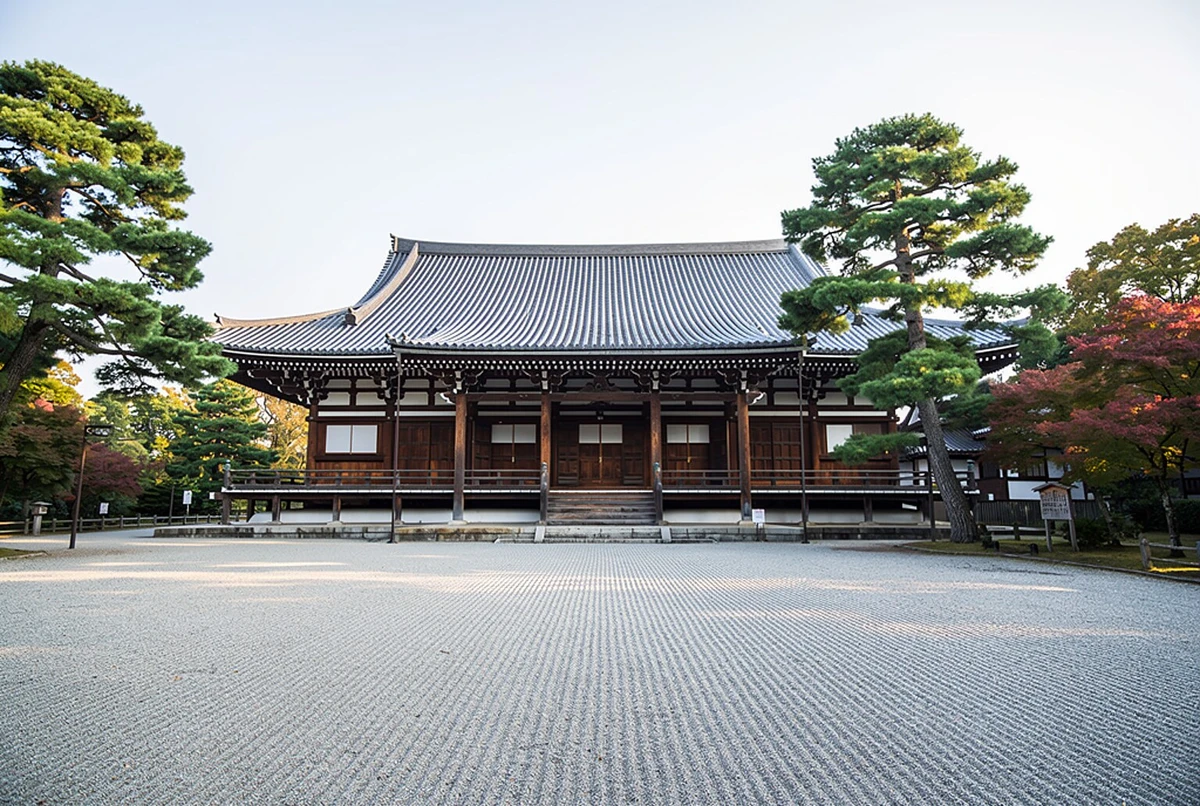
Founded in 1202, Kennin-ji is the oldest Zen temple in Kyoto, and it sits surprisingly quietly at the southern end of Gion's busiest streets. Its founder is credited with bringing tea seeds and the custom of drinking powdered tea back from China, which links this temple directly to the Japanese tea tradition. The wide gravel grounds, pine trees and stately gate offer a calm break from the lanes.
Inside the temple halls, which can be visited separately with an entry ticket, are a famous ceiling painting of twin dragons completed in 2002, a replica of the celebrated folding screens of the Wind God and the Thunder God, and raked-gravel gardens for quiet contemplation. On this Kennin-ji Temple tour stop your guide explains the basics of Zen and how to visit the interior later if you have time.
Hokan-ji Pagoda
The five-storey Hokan-ji Pagoda, better known as Yasaka Pagoda, rises above the sloping lanes of Higashiyama. Tradition says a temple has stood here since the 6th century; the present pagoda, about 46 metres tall, was rebuilt in 1440 and is one of the oldest surviving buildings in this part of the city. Like other Japanese pagodas, it stands around a central pillar that helps it sway safely in earthquakes.
Your guide leads you to the angles from which the pagoda looks most striking, framed by wooden houses and stone steps, and helps take your photos. The streets around it lead up towards Kiyomizu-dera, so this is a good spot to plan the rest of your visit to the Higashiyama district. In the evening the pagoda is lit, a favourite scene for photographers.
Chion-in Temple
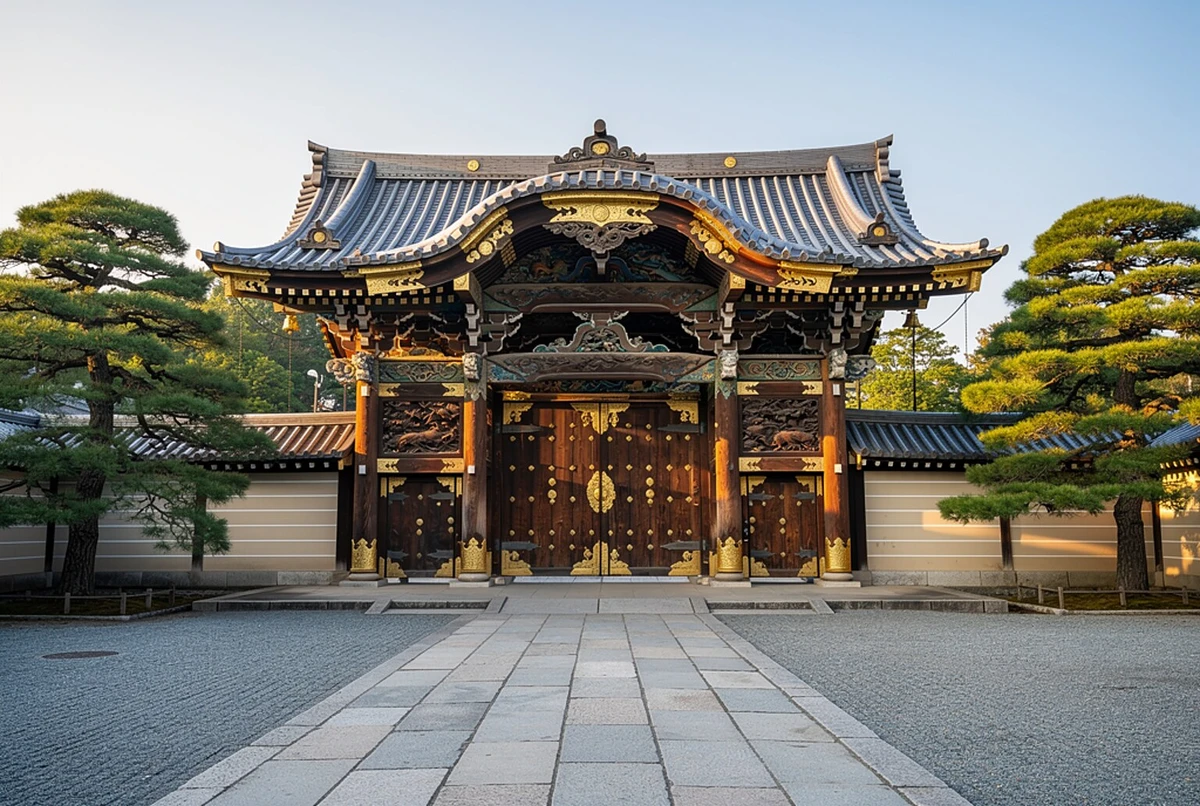
Chion-in is the head temple of the Pure Land school of Buddhism, one of the most widely followed in Japan, and its grounds spread across the hillside beside Maruyama Park. Its massive Sanmon gate, completed in 1621, is among the largest wooden temple gates in the country, and the temple's giant bronze bell, cast in 1636, is rung by a team of monks on New Year's Eve.
Many visitors to Gion never walk the few minutes up to Chion-in, which is why it counts as one of the district's hidden gems. The grounds are vast and peaceful, with stone stairways, old trees and wide views over the roofs of Kyoto. The guided walk visits the outdoor grounds, giving you an idea of the temple's scale and history before you decide whether to return to explore its halls.
Hidden Lanes and Boutique Shops of Gion
Between the main sights the route weaves through quiet back lanes most visitors miss: narrow stone-paved alleys with plastered walls, small family workshops, sweet shops and boutiques selling fans, incense, textiles and pottery made in Kyoto. These are the places where the district still feels like a neighbourhood, not a stage.
Towards the end of the walk your guide shares a detailed list of tried-and-trusted recommendations for restaurants, shops and places to visit during the rest of your trip, so you can plan your dinner in Gion or your next day in Kyoto. With start times from mid-afternoon to night, you can choose between seeing the temples in daylight or the lanes glowing with lanterns after dark.
Itinerary
- Meet in central GionMeet your guide, holding a red umbrella, about a 5-minute walk from Gion-Shijo and Keihan Sanjo stations.
- Gion ShirakawaStroll along the willow-lined canal, Tatsumi Bridge and the preserved Shinbashi lanes (about 20 minutes).
- Machiya and teahouse streetsWalk past traditional townhouses and teahouses while learning about geisha culture (about 25 minutes).
- Kennin-ji TempleExplore the grounds of Kyoto's oldest Zen temple (about 20 minutes).
- Hokan-ji PagodaPhoto stop at the five-storey pagoda and the sloping lanes of Higashiyama (about 20 minutes).
- Chion-in Temple and hidden lanesVisit the grounds of Chion-in and finish with your guide's recommendations for the rest of your trip (about 35 minutes).
What's included
- English-speaking guide
- Walk through Gion Shirakawa, machiya townhouses and teahouse streets
- Stories on the history and origins of geisha culture
- Hokan-ji Pagoda, Kennin-ji Temple and Chion-in Temple
- Chance to spot geiko and maiko on their way to appointments
- Help with photos at Gion's best viewpoints
- List of recommended restaurants, shops and places to visit
Not included
- Transport to and from the meeting point
- Hotel pickup and drop-off
Is this right for you?
Great for
- Families with children — a child price for ages 7–17
- First-time visitors who want the highlights
- A short visit — about 2 hours
- Travellers who want a proven choice — rated 4.7/5 by past travellers
Think twice if
- You want a private tour — this one is shared with other travellers
- Walking is difficult for you — expect active parts
Not suitable for
- People with mobility impairments
- Wheelchair users
Meeting point
There is no hotel pickup, and transport to the meeting point is not included. Meet your guide in central Gion, about a 5-minute walk from Keihan Sanjo Station and Gion-Shijo Station; look for the guide with a red umbrella. Please arrive 10 minutes before the start time, as the tour leaves promptly and late arrivals cannot join. We send you the exact location on WhatsApp after booking.
Important information
- Wear comfortable shoes; the route includes slopes and stone steps
- Arrive 10 minutes early; late arrivals cannot join once the tour has started
- The tour runs in all weather, so dress for the conditions
- Entry to temple halls is not included; the walk visits the temple grounds
- Never block, touch or follow geiko and maiko, and respect the photo bans in private lanes
- Children aged 6 and under join at no charge
- The route may vary slightly with local conditions and events
- Not suitable for wheelchair users or people with mobility impairments
Good to know
Frequently Asked Questions
Straight answers to what travellers ask us most, before they book.
Is this a shared or a private experience?
It is a shared walking tour: you join other travellers with a live English-speaking guide.
How long does the Gion walking tour take?
About 2 hours, with start times in the afternoon, evening and at night.
Is hotel pickup included?
No. You meet the guide in central Gion, about 5 minutes on foot from Gion-Shijo and Keihan Sanjo stations.
What is included?
An English-speaking guide, the walk through Gion Shirakawa, machiya and teahouse streets, the Hokan-ji Pagoda, Kennin-ji and Chion-in grounds, help with photos and a list of recommended places.
Is the price per person or per group?
The price is per person, and children aged 6 and under join at no charge. The booking panel on this page shows the current price.
Is it suitable for children or people with reduced mobility?
Children enjoy the stories and lanes, but the route has slopes and steps, so it is not suitable for wheelchair users or people with mobility impairments.
Which start time should I choose?
Afternoon tours show the temples in daylight, early evening offers the best chance to see geiko and maiko, and night tours reveal Gion lit by lanterns.
Will I see geisha in Gion?
There is a good chance of glimpsing a geiko or maiko on her way to an appointment, especially in the early evening, but it cannot be guaranteed.
Are temple entry fees included?
The walk visits the outdoor grounds of the temples. Entry to the halls of Kennin-ji or Chion-in is not included and can be added on your own later.
What should I bring?
Comfortable shoes, a camera, water, and an umbrella or warm layer depending on the season.
What happens in bad weather?
The tour runs in all weather, so bring an umbrella if rain is forecast. If a typhoon or severe warning stops the tour, we contact you to change the date.
How do I book and confirm?
Choose your date and start time in the booking panel and complete your booking. Our team confirms your place and the meeting point on WhatsApp within minutes.
More in Kyoto
Popular across Japan
-
-
-
-
-
-