Kumano Kodo Three Grand Shrines & Nachi Falls Day Tour from Osaka
- DurationAbout 13 hours
- Daily
- Group
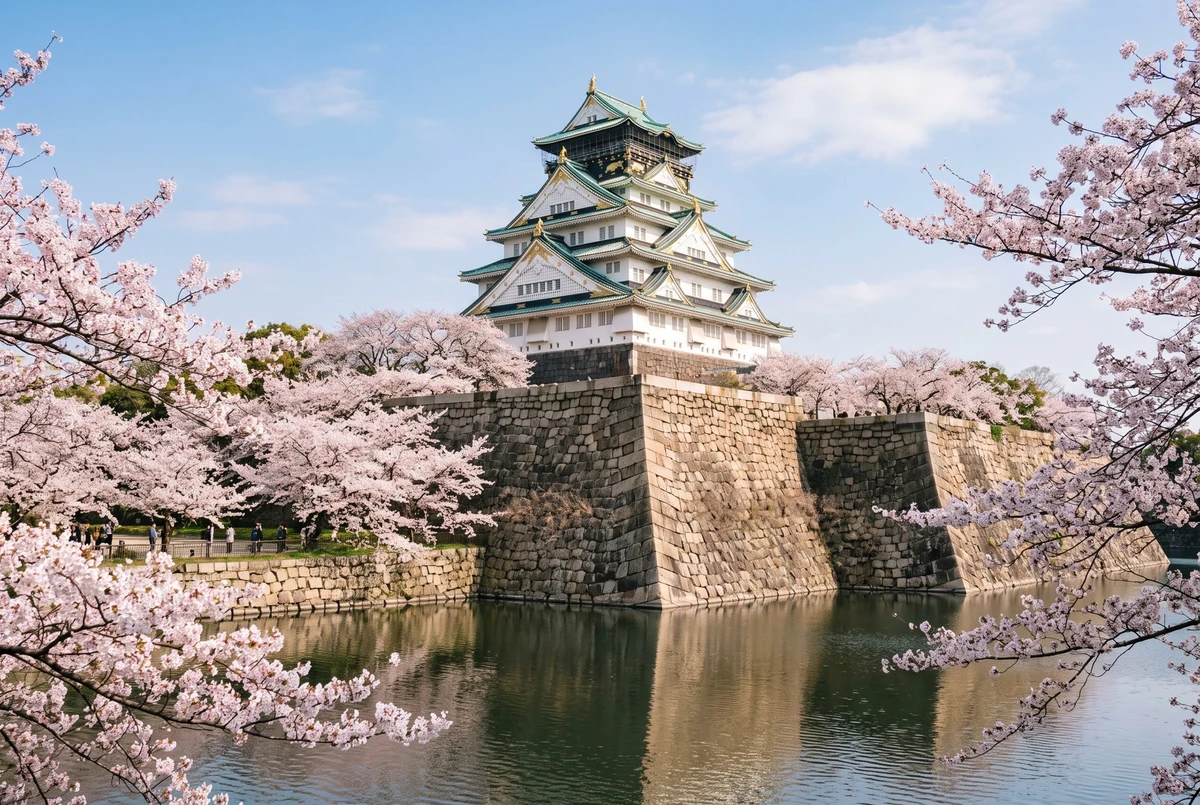
Some images are AI-generated for illustration. While we confirm your booking, just ask and we will send you the original photos.
- Fair, honest prices
- Real people, not bots
- Confirm, then pay
- Secure payment

Overview
This full-day shared coach tour takes you from central Osaka deep into the Kii Mountains of Wakayama to complete the Kumano Sanzan, the three Grand Shrines of the UNESCO-listed Kumano Kodo pilgrimage, in a single day. You stand beneath the giant Great Torii of Oyunohara, visit Kumano Hongu Taisha, climb the moss-covered Daimon-zaka stone path, see the vermilion pagoda of Seiganto-ji in front of Nachi Falls and finish at Kumano Hayatama Taisha before a warm foot bath at Totsukawa Onsen. An English-speaking driver-guide leads the day, an in-bus audio guide tells the stories in many languages including Arabic, and all entrance fees are included. You meet in Shinsaibashi or Nippombashi; there is no hotel pickup.
Highlights
- All three Grand Shrines of Kumano in one day from Osaka
- The Great Torii of Oyunohara, the largest shrine gate in the world
- A short hike on the ancient Daimon-zaka stone path under giant cedars
- Seiganto-ji's three-storey pagoda framed by the 133-metre Nachi Falls
- Kumano Hayatama Taisha and its sacred Nagi tree
- A relaxing hot-spring foot bath at Totsukawa Onsen
- All entrance fees and a pilgrimage stamp booklet included
- In-bus audio guide in many languages, including Arabic
Full Description
Kumano Hongu Taisha and the Great Torii of Oyunohara
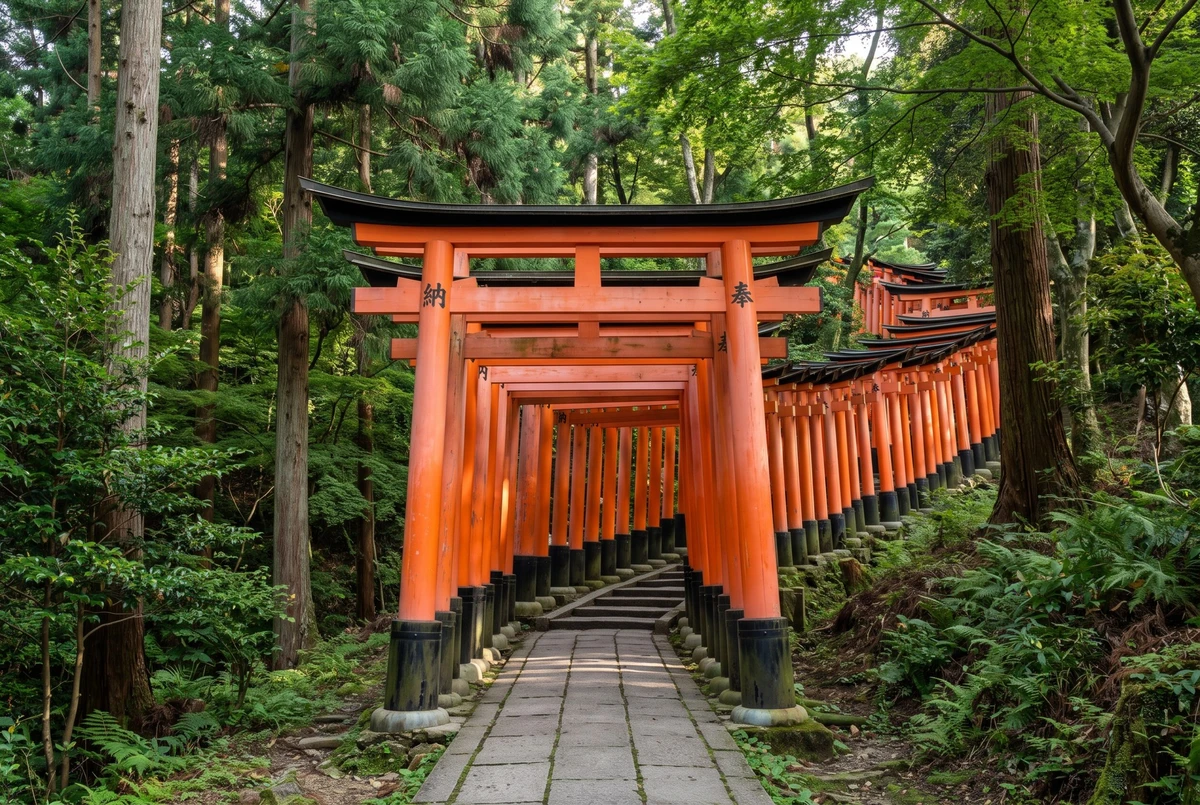
Kumano Hongu Taisha is the spiritual heart of the Kumano faith and the shrine where many walkers on the Kumano Kodo end their pilgrimage. Its main halls, roofed in dark cypress bark, sit at the top of a stone stairway lined with tall cedars and white pilgrim banners. The symbol you see everywhere is the three-legged crow, the messenger believed to guide travellers through the mountains.
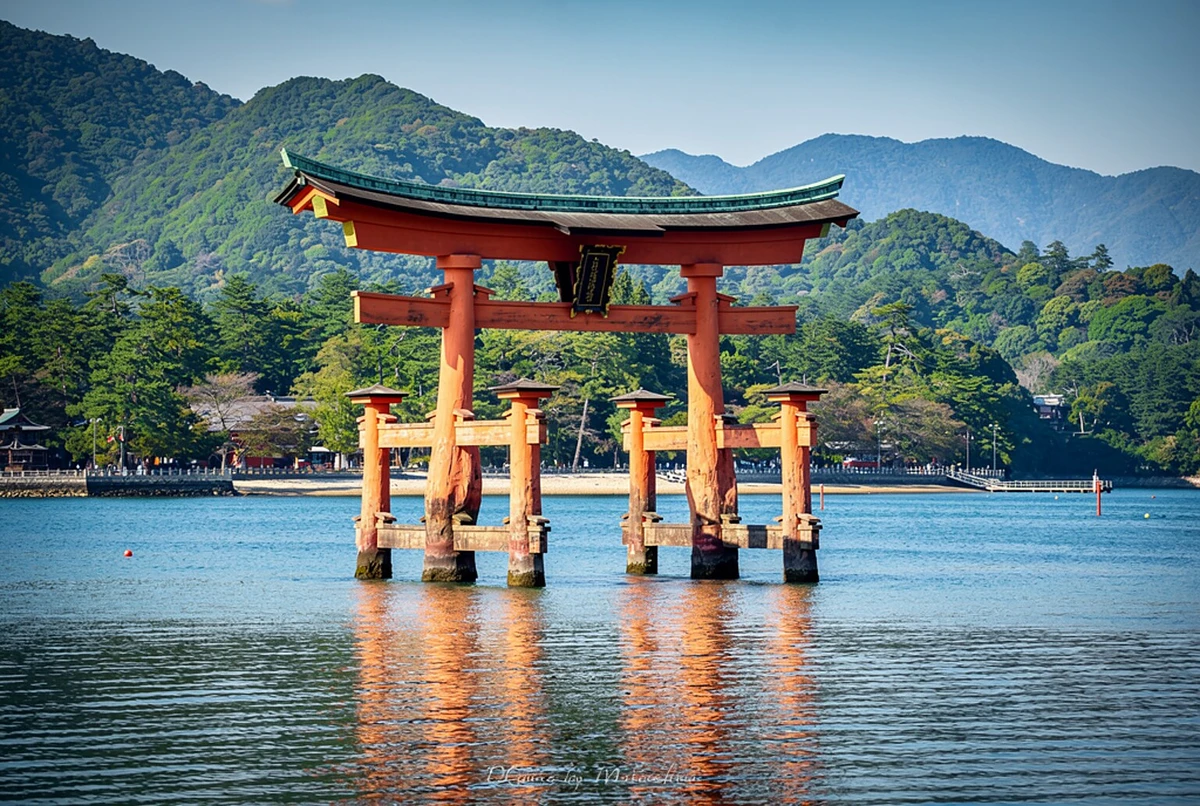
Until a great flood in 1889 the shrine stood on Oyunohara, a sandbank where three rivers meet, and that original site is now marked by the Great Torii, a steel gate about 34 metres high and the largest torii in the world. On this tour you spend about 50 minutes here, enough to walk under the gate, climb to the halls and collect a stamp in your pilgrimage booklet.
Daimon-zaka: walking the Kumano Kodo pilgrim route
Daimon-zaka is the most photographed stretch of the Kumano Kodo, the network of pilgrim trails used for more than a thousand years by emperors, monks and ordinary travellers heading to the Grand Shrines. The path climbs a long staircase of worn, moss-covered stones between huge cedar trees, some of them around 800 years old, and begins beside a pair of twin cedars that pilgrims treat as a gateway.
The walk on this tour takes about 20 to 40 minutes, so you feel the atmosphere of a real Kumano Kodo hike without a multi-day trek. Expect many uneven steps and cool, shaded air under the trees; comfortable shoes make all the difference. If you have wondered whether a Kumano Kodo day trip from Osaka is possible, this short section shows you the essence of the trail.
Kumano Nachi Taisha and Seiganto-ji Temple
Kumano Nachi Taisha stands high on the slopes of Mount Nachi, its bright vermilion halls overlooking the forest and the distant sea. Right next door is Seiganto-ji, a Buddhist temple that is the first stop of the Saigoku pilgrimage of thirty-three Kannon temples. The two grew up side by side, and this is one of the clearest places in Japan to see how Shinto and Buddhism have long coexisted.
The view everyone comes for is the three-storey vermilion pagoda of Seiganto-ji with Nachi Falls pouring down the cliff behind it, one of the classic images of Japan. The Nachi area is the longest part of this tour, about two hours and twenty minutes in total, which leaves time to explore the shrine, the temple and the viewpoints without rushing.
Nachi Falls and Hiro Shrine
Nachi Falls drops 133 metres in a single white column, making it the tallest waterfall of its kind in Japan and one of the country's most revered natural sites. In the Kumano faith the waterfall itself is a deity, and Hiro Shrine at its foot has no main hall: the falls are the object of worship, approached through a tall torii and a cedar-lined stone path.
From the platform near the base you feel the spray and hear the roar, especially after rain in early summer, when the volume of water is at its most powerful. Many visitors find this the most moving stop of the day. The best time to visit Nachi Falls for photographs is late morning, when the sun lights the rock face and the mist often makes a faint rainbow.
Kumano Hayatama Taisha and Totsukawa Onsen
Kumano Hayatama Taisha in Shingu, near the mouth of the Kumano River, completes the trio of Grand Shrines. Its buildings are painted a vivid vermilion with white and green details, one of the most colourful shrine complexes in the region. In the grounds grows a sacred Nagi tree said to be about a thousand years old, whose leaves are kept as charms for safe journeys and lasting bonds.
After a short visit of about 20 minutes the coach heads north through the mountain valleys to Totsukawa, one of the largest villages in Japan by area and known for its natural hot springs. Here you slip off your shoes for an ashiyu, a traditional open-air foot bath, a perfect way to rest your legs after the shrine stairs before the evening drive back to Osaka.
Itinerary
- Departure from central OsakaMeet at Q Plaza Shinsaibashi at 07:00 or at the National Bunraku Theatre in Nippombashi at 07:15 and board the air-conditioned coach.
- Drive south and rest stopAbout 80 minutes on the road, then a 10-minute break at a roadside station in Nara Prefecture before about two more hours through the Kii Mountains.
- Kumano Hongu Taisha and the Great ToriiAbout 50 minutes to visit the main shrine, walk to the Great Torii of Oyunohara and collect your pilgrimage stamp.
- Kumano Nachi Taisha, Seiganto-ji and Daimon-zakaAbout two hours and twenty minutes for the hilltop shrine, the pagoda view, the Daimon-zaka stone path and free time.
- Nachi Falls and Hiro ShrineStand at the foot of the 133-metre waterfall and see the shrine where the falls themselves are worshipped.
- Kumano Hayatama TaishaAbout 20 minutes at the third Grand Shrine in Shingu and its sacred Nagi tree.
- Totsukawa Onsen foot bathA relaxing stop to rest your feet in a natural hot-spring foot bath.
- Return to OsakaDrive back to central Osaka, with drop-off in Shinsaibashi or Nippombashi in the evening, about 13 hours after departure.
What's included
- Full-day shared coach tour from central Osaka
- English-speaking professional driver-guide
- In-bus multi-language audio guide (including Arabic)
- All entrance fees to the shrines, temple and sites
- Pilgrimage stamp booklet as a keepsake
- Totsukawa Onsen foot bath
Not included
- Lunch
- Hotel pickup and drop-off
- Personal expenses
Is this right for you?
Great for
- Travellers who want a proven choice — rated 4.9/5 by past travellers
Think twice if
- You want a private tour — this one is shared with other travellers
Not suitable for
- People with mobility impairments
- Wheelchair users
Meeting point
There is no hotel pickup. Choose your departure point when you book: in front of Q Plaza Shinsaibashi on Midosuji Avenue at 07:00, or outside the National Bunraku Theatre in Nippombashi at 07:15. Please arrive 10 minutes early, as the coach cannot wait for latecomers. The tour returns to the same area of central Osaka in the evening.
Important information
- Wear comfortable walking shoes: the Daimon-zaka path and the shrines have many stone steps
- Lunch is not included; there is time to buy lunch on the way
- Arrive at the meeting point 10 minutes before departure; late arrivals cannot be refunded
- Eating and smoking are not allowed in the coach
- Bring a light rain jacket, as the Kii Mountains are often misty or rainy
- Dress modestly and speak quietly at the shrines and the temple
- The day is long, about 13 hours, with several hours on the road
Good to know
Frequently Asked Questions
Straight answers to what travellers ask us most, before they book.
Is this a shared or a private experience?
It is a shared coach tour with other travellers, led by an English-speaking driver-guide. Several departure points in central Osaka are available.
How long does the Kumano Kodo day trip from Osaka take?
About 13 hours in total, from the early-morning departure to the evening return to Osaka, including roughly five hours of sightseeing at the shrines, the falls and the trail.
Is hotel pickup included?
No. You meet the guide in Shinsaibashi at 07:00 or Nippombashi at 07:15, both easy to reach by subway, and the tour returns to central Osaka.
What is included?
The coach, the English-speaking driver-guide, the multi-language audio guide, all entrance fees on the route, a pilgrimage stamp booklet and the Totsukawa Onsen foot bath. Lunch and personal expenses are extra.
Is the price per person or per group?
The price is per person. The booking panel on this page shows the current price for each departure point.
Do I really visit all three Grand Shrines of Kumano?
Yes. The tour covers Kumano Hongu Taisha, Kumano Nachi Taisha and Kumano Hayatama Taisha, the complete Kumano Sanzan, plus Seiganto-ji and Nachi Falls.
How hard is the Daimon-zaka hike?
It is a short walk of about 20 to 40 minutes on old stone steps. It is steady rather than steep, but uneven and sometimes slippery, so it is not suitable for people with limited mobility.
Is it suitable for children or travellers with reduced mobility?
Children who can walk on steps for a long day are welcome. The tour is not suitable for wheelchair users or people with mobility impairments because of the stairs and forest paths.
What should I bring?
Comfortable shoes, a rain jacket or umbrella, water, some cash for lunch and souvenirs, and a camera.
What is the best season for Kumano and Nachi Falls?
Spring and autumn bring mild weather and fresh or colourful forests; early summer gives the most powerful waterfall; winter is quiet and clear but cold in the mountains.
What happens in bad weather?
The tour runs in light rain, and the forest is often at its most atmospheric in mist. If heavy storms close roads, the route may be adjusted for safety.
How do I book and confirm?
Choose your date and departure point in the booking panel and send your request. Our team confirms your booking on WhatsApp within minutes and shares the meeting details.
More in Osaka
Getting to & around Osaka
Popular across Japan
-
-

-
-
-

-