Osaka Local Food Tour with 15 Dishes & a Local Expert Guide
- Duration3 hours
- Daily
- Group
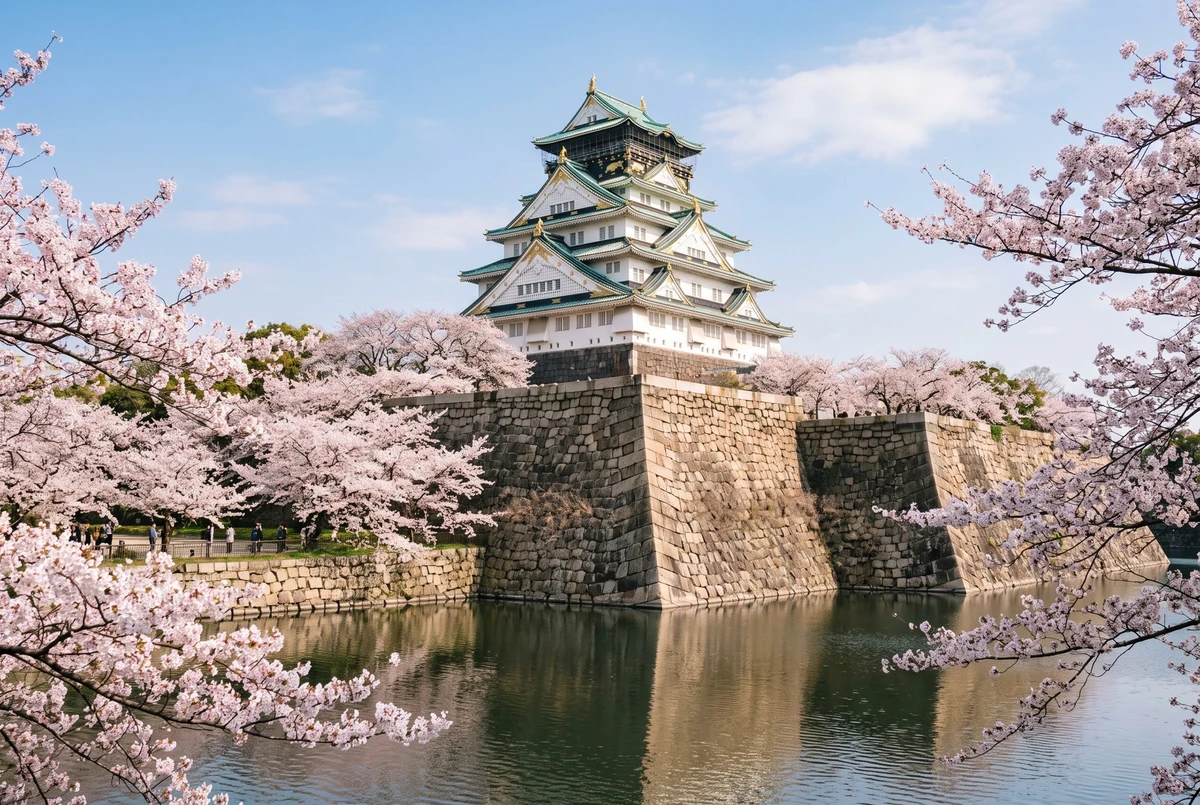
Some images are AI-generated for illustration. While we confirm your booking, just ask and we will send you the original photos.
- Fair, honest prices
- Real people, not bots
- Confirm, then pay
- Secure payment

Overview
This Osaka food tour is an evening small-group walk through Shinsekai, the retro district below Tsutenkaku Tower, where a local food expert leads you to five neighbourhood eateries chosen for their cooking rather than their signs. Over about three hours you taste 15 Osaka dishes: takoyaki and oden from a street stall, kushikatsu skewers, yakitori, kitsune udon, a slow-simmered beef and tofu stew, gyoza from a dumpling specialist and a last round of tonpeiyaki, edamame and karaage, with 3 drinks that include soft-drink choices. Groups are capped at 9 guests sharing one guide, which suits couples, friends and families who enjoy eating where menus are only in Japanese. There is no hotel pickup; we meet at Dobutsuen-mae Station, and a private afternoon option is also available.
Highlights
- 15 Osaka dishes at 5 local eateries chosen by a food expert
- Takoyaki and oden at a classic Shinsekai street stall
- Kushikatsu skewers in the district where they were first served
- Nikudoufu beef and tofu stew in a traditional Japanese eatery
- Gyoza from a dumpling specialist and a tonpeiyaki finale
- Small group of up to 9 guests with an English-speaking guide
- Evening walk through the lantern-lit arcades and alleys of Shinsekai
- 3 drinks included, with soft-drink choices at every stop
Full Description
Shinsekai, Osaka's Retro 'New World'
Shinsekai means 'New World', and the name dates from 1912, when the district was laid out on the site of the national industrial exhibition held here in 1903. Its planners copied two foreign models: the northern half was drawn like a Paris boulevard, the southern half like an American seaside amusement park. After the war the area lost its shine, and that is exactly why it feels so authentic today: low prices, hand-painted signboards, giant puffer-fish lanterns and old arcades where locals play shogi.
Is Shinsekai worth visiting? For anyone who loves food, it is one of the most rewarding corners of Osaka, and a Shinsekai food tour is the easiest way to read it, because many counters have no English menu. The best moment is just after dusk, when the neon switches on and the street stalls start frying. Our tour spends its whole evening here, so you never lose time on transport between stops.
Tsutenkaku Tower and the Billiken
Tsutenkaku, the 'tower reaching to heaven', is the landmark that marks the centre of Shinsekai. The first tower of 1912 was inspired by Paris monuments; the present steel tower opened in 1956 and rises about 103 metres, its neon lighting changing colour with the next day's weather forecast. Inside sits the Billiken, a smiling lucky figure whose feet visitors rub for good fortune, and copies of him appear in shop fronts all over the district.
Your guide walks you around the base of the tower between food stops and explains how it became the symbol of working-class Osaka. How to get to Tsutenkaku on your own: it is a five-minute walk from Dobutsuen-mae or Ebisucho stations, and the observation deck is open in the daytime and evening if you want to come back for views over the south of the city.
Takoyaki, Oden and Kushikatsu: Osaka Street Food
The tour opens at a street stall with takoyaki, the round octopus dumplings that Osaka cooks invented in the 1930s. They are turned by hand in cast-iron moulds until crisp outside and molten inside, then finished with sauce, mayonnaise and bonito flakes. Oden follows: radish, egg, tofu and fish cakes simmered for hours in a light dashi broth, a comfort dish that tastes best on a cool evening.
Kushikatsu is the dish Shinsekai is proudest of, and the first shop to sell it here opened in 1929. Meat, seafood and vegetables are threaded on skewers, coated in fine breadcrumbs and fried in seconds. Learn the famous house rule before you start: dip each skewer in the shared sauce only once, and use the raw cabbage leaves on the counter to scoop extra sauce. Kitsune udon, noodles topped with sweet fried tofu, and yakitori join this part of the evening.
Nikudoufu and Gyoza in Traditional Eateries
Away from the busiest arcade, a cosy traditional restaurant serves nikudoufu, an Osaka staple of thinly sliced beef and soft tofu stewed in a sweet soy and dashi broth. It is the kind of dish families cook in winter, and here it comes with beef yakitori and a small sweet of mochi. This is a calmer stop where your guide explains how the city's merchants turned Osaka into the 'kitchen of the nation' during the Edo period, when rice and produce from all over Japan passed through its warehouses.
Next comes a specialised gyoza shop. Osaka-style gyoza are often bite-sized, with thin wrappers pan-fried until the bottoms turn golden and lacy. Watching the cooks fold and fry them is part of the show, and the dipping sauce of soy, vinegar and chilli oil is mixed to your own taste.
Tonpeiyaki Finale and the Osaka Kuidaore Spirit
The last eatery serves tonpeiyaki, a griddle dish born in Osaka in the 1970s: grilled pork wrapped in a thin omelette and covered with sweet sauce and mayonnaise. Bowls of salted edamame and karaage, Japanese fried chicken marinated in ginger and soy, complete the table, followed by a Japanese pancake or fresh fruit. Your final drink is served here, again with soft-drink choices.
Osaka people describe their city with the word kuidaore, roughly 'eat until you drop', and this finale shows why. The best time to join is a weekday evening, when the eateries are full of office workers rather than visitors. Before you say goodbye, your guide shares favourite places for breakfast and lunch, so the rest of your stay in Osaka keeps tasting this good.
Itinerary
- Meet at Dobutsuen-mae Station, exit 1Meet your guide at 17:30 in front of the wall lanterns of the Daiichi Building for a short introduction to Shinsekai.
- Street stall: takoyaki and odenWatch takoyaki being turned on the griddle and taste oden from the simmering pot, about 25 minutes.
- Standing eatery: kushikatsu, yakitori and kitsune udonLearn the one-dip sauce rule and try kushikatsu with udon and grilled skewers, about 35 minutes.
- Traditional restaurant: nikudoufuSit down for beef and tofu stew, beef yakitori and mochi, with your first drink, about 30 minutes.
- Gyoza specialistTaste pan-fried Osaka-style dumplings straight from the griddle, about 25 minutes.
- Final eatery: tonpeiyaki, edamame and karaageFinish with the pork omelette, fried chicken and a sweet, plus your last drink, about 35 minutes.
- Walk back through the Shinsekai arcadesShort walks link every stop through side alleys; the tour ends in Shinsekai near the station.
What's included
- English-speaking local food expert guide
- 15 Osaka dishes at 5 local eateries: a street stall, a standing eatery, a classic eatery, an izakaya and a specialised restaurant
- Takoyaki and oden, kushikatsu skewers, yakitori, kitsune udon and gyoza
- Beef and tofu stew (nikudoufu), tonpeiyaki pork omelette and karaage fried chicken
- 3 drinks, with soft drink choices available
- Walk through the arcades and side alleys of Shinsekai
Not included
- Hotel pickup and drop-off
- Extra food and drinks
- Personal expenses
Is this right for you?
Great for
- Families with children — a child price for ages 3–11
- Groups who want privacy — a private option is available
- Food lovers
- A half-day plan — about 3 hours
Not suitable for
- Vegans
- Travellers with gluten intolerance
Meeting point
We meet at 17:30 at exit 1 of Dobutsuen-mae Station on the Midosuji subway line, in front of the row of wall lanterns on the Daiichi Building. Please arrive 10 minutes early; your guide will be waiting there. Hotel pickup is not included: the station is two stops south of Namba on the Midosuji Line and a short walk from JR Shin-Imamiya Station. The tour finishes in Shinsekai, close to the same stations.
Important information
- Come hungry: the 15 dishes add up to a full dinner.
- Vegans and guests with gluten intolerance cannot join, as too few dishes are suitable; tell us any other allergy when booking.
- Soft drinks such as green tea, oolong tea or juice can be chosen for every included drink.
- Wear comfortable shoes; some stops are standing counters and the walks between them are short.
- Bring a little cash in yen if you want extra food or drinks.
- The tour runs in light rain, so bring an umbrella in the rainy season.
- Children are welcome with an adult and share the same dishes.
Good to know
Frequently Asked Questions
Straight answers to what travellers ask us most, before they book.
Is this a shared or a private experience?
The default option is a shared small-group tour of up to 9 guests with one local food expert. If you prefer a guide just for your own group, choose the private option, which starts at 14:00 and visits the same eateries.
How long does it take?
About 3 hours, starting at 17:30 and finishing in Shinsekai around 20:30.
Is hotel pickup included?
No. We meet at exit 1 of Dobutsuen-mae Station, which is easy to reach by subway from Namba, Umeda and Tennoji.
What is included?
An English-speaking local food expert, 15 dishes at 5 eateries and 3 drinks with soft-drink choices. Extra food, extra drinks and transport to the meeting point are not included.
Is the price per person or per group?
The small-group option is priced per person. The booking panel on this page shows the current price of each option.
Is it suitable for children or guests with reduced mobility?
Children are welcome with an adult. The route is flat and the walks are short, but some eateries are small with stools or standing counters, so tell us in advance about any mobility needs.
What should I bring?
An appetite, comfortable shoes, an umbrella if rain is forecast and a little cash in yen for extras.
What is the best time of day or season for an Osaka food tour?
Evening is ideal because Shinsekai's neon and street stalls come alive after dusk. Autumn and spring are the most comfortable seasons, while winter is perfect for hot oden and stews.
What happens in bad weather?
The tour runs in rain, and most of the time is spent inside eateries or under covered arcades. In a typhoon warning we contact you to move the date.
How do I book and confirm?
Choose your date in the booking panel and send the request. Our team confirms your booking on WhatsApp within minutes and sends the exact meeting point.
Can I join if I am vegetarian or have allergies?
Vegans and guests with gluten intolerance cannot join. Vegetarians and guests with other allergies should message us before booking so we can check which dishes can be adapted.
Is Shinsekai safe in the evening?
Yes. Shinsekai is a busy, well-lit district full of families and local diners in the evening, and your guide stays with the group throughout.
More in Osaka
Getting to & around Osaka
Popular across Japan
-
-
-
-
-
-