La Boca Guided Walking Tour in English Buenos Aires
- Duration2 hours
- Daily
- Group
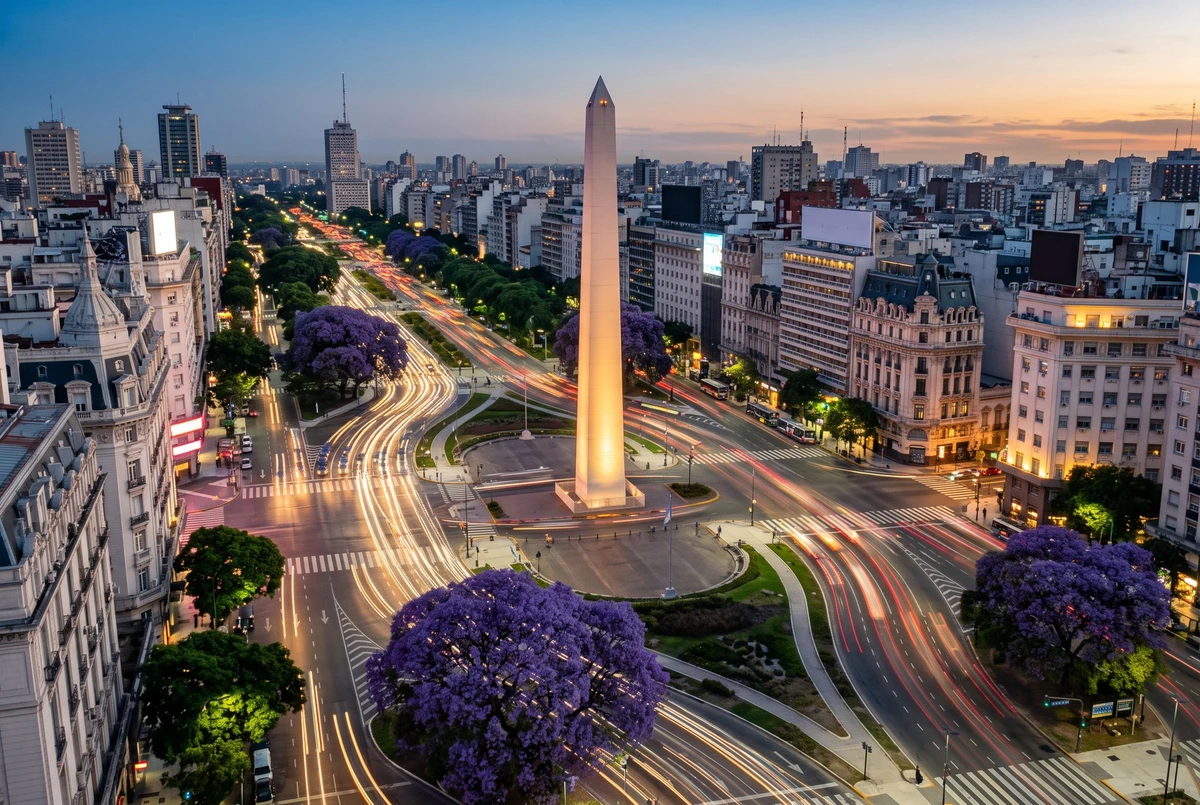
Some images are AI-generated for illustration. While we confirm your booking, just ask and we will send you the original photos.
- Fair, honest prices
- Real people, not bots
- Confirm, then pay
- Secure payment

Overview
This La Boca walking tour is a shared two-hour walk in English through the most colourful neighbourhood of Buenos Aires, led by a local guide. You start at the corner of Caminito and Magallanes Street, walk among the painted conventillo houses where Italian immigrants once lived, hear how tango grew up in these port streets, and learn to read the swirling fileteado signs. The route continues to the Riachuelo riverside and the old Puente Transbordador, and finishes outside La Bombonera, the stadium of Boca Juniors. It suits first-time visitors, families and anyone curious about the city's immigrant roots. There is no hotel pickup: you meet the guide in La Boca at 11:00.
Highlights
- Two hours on foot through La Boca with an English-speaking local guide
- The painted conventillo houses and open-air galleries of Caminito
- Tango dancers performing on the cobbled corners of the district
- Fileteado, the ornate sign-painting style born in Buenos Aires
- The Riachuelo riverside and the iron Puente Transbordador
- Finish outside La Bombonera with the story of Boca Juniors
- Wheelchair-accessible route that runs rain or shine
- Daily late-morning start at a central meeting point in La Boca
Full Description
Caminito and its painted conventillo houses
Caminito is a short pedestrian lane at the bend of the Riachuelo known as Vuelta de Rocha, and it is the reason most people come on a La Boca tour. In the late 19th century the port drew thousands of immigrants, many from Genoa, who rented rooms in conventillos: long tenement buildings of wood and corrugated iron arranged around a shared patio. Families painted the metal sheets with whatever paint was left over from the shipyards, which is why each wall mixes yellow, blue, red and green.
In the 1950s local artists turned the abandoned railway strip into an open-air museum, and Caminito took its name from a 1920s tango. Today the lane is lined with murals, painted balconies, figures leaning from windows and small craft stalls. The guide spends the first part of the walk here, showing you inside a typical patio layout and pointing out the details most visitors pass by. Morning, when the tour starts, is the best time to visit Caminito, before the lane gets busy.
Tango in La Boca: the port streets where it grew up
Tango was born in the late 19th century in the port neighbourhoods of Buenos Aires and Montevideo, where sailors, dockworkers and new arrivals from Europe and Africa mixed in crowded courtyards. The music took rhythms from the milonga and the habanera, the bandoneón arrived from Germany, and the dance was first practised in patios and street corners before it reached the salons of the city centre. UNESCO listed tango as Intangible Cultural Heritage in 2009.
On the walk you will very likely see couples dancing on the corners of Caminito and Magallanes, and the guide explains the steps, the embrace and the lyrics written in lunfardo, the slang of the port. Watching tango in La Boca is free on the street; the dancers often invite visitors for a photo, and a small tip is customary. If you want a full evening show, you can plan one separately after the tour.
Fileteado: the art of the Buenos Aires sign painters
Fileteado porteño is the decorative painting style you will see on shopfronts, menus and signs all over La Boca: curling acanthus leaves, ribbons, flowers, birds and elegant lettering in bright colours with fine shading. It started in the late 19th century on horse-drawn carts, when Italian craftsmen decorated the wooden panels, and later moved onto trucks, buses and street signs. In 2015 UNESCO added it to its list of Intangible Cultural Heritage.
The guide shows you how to read a filete: the phrases painted inside often carry jokes, proverbs or a dedication, and the symbols say something about the owner. Several workshops and stalls along the route still paint by hand, and you can watch an artist at work or pick up a small painted plaque. It is one of the most authentic souvenirs of Buenos Aires, and this short stop explains why the city treasures it.
The Riachuelo riverside and the Puente Transbordador
La Boca means 'the mouth', after the mouth of the Riachuelo, the small river that marks the southern edge of the city and once formed its first harbour. Walking along the riverside promenade you see old warehouses, moored boats and, above them, the iron Puente Transbordador, a transporter bridge completed in 1914 that carried people and carts across the river in a suspended gondola. It is among the few bridges of this type still standing anywhere, and it was restored in recent years as a landmark of the port.
The guide uses this stop to tell the story of the shipyards, the floods that made people build on stilts, and the long effort to clean up the river. It is a good spot for photographs of the bridge and the painted facades behind you. Allow about 20 minutes here on the walk; the riverside is also where you can best picture La Boca as the busy port district it was a century ago.
La Bombonera and the Boca Juniors story
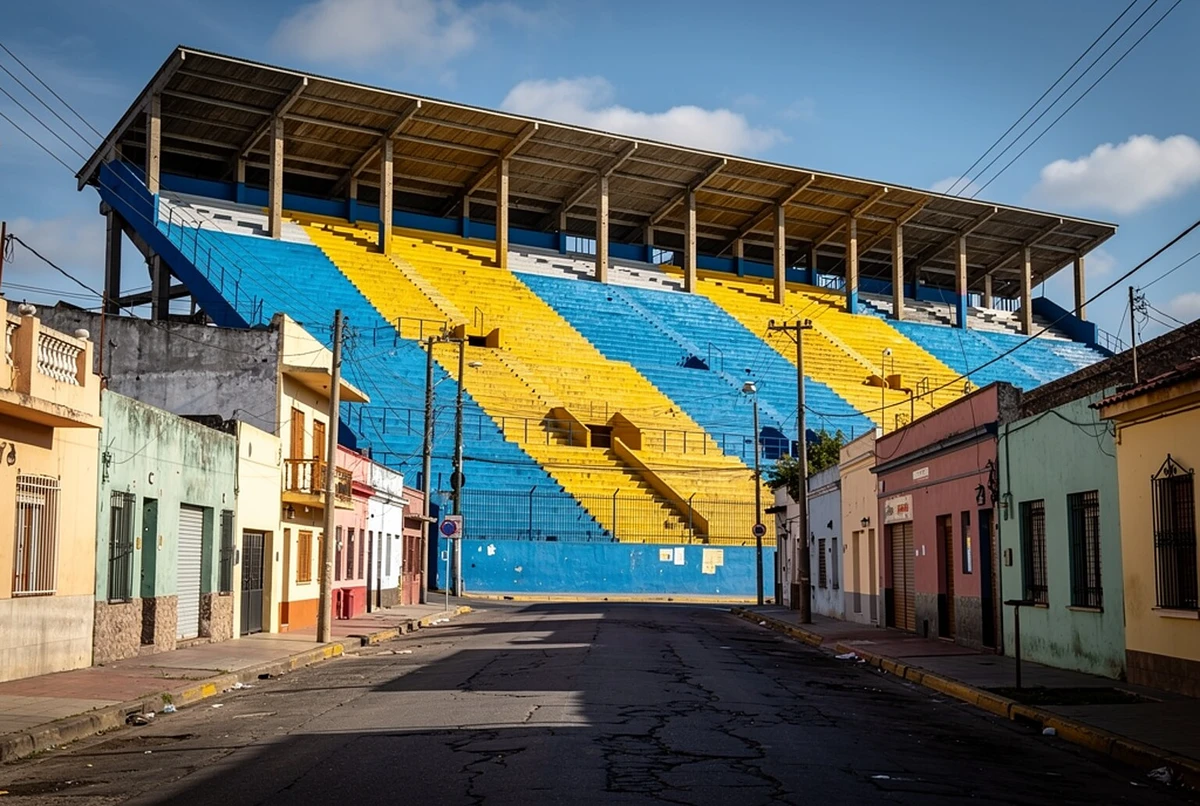
The walk finishes outside La Bombonera, the stadium of Boca Juniors, one of the most popular football clubs in Argentina. The club was founded in 1905 by young immigrants in La Boca, and its blue and gold colours are said to come from the flag of a Swedish ship that sailed into the port. The stadium opened in 1940; its nickname, 'the chocolate box', comes from its shape, with three very steep stands and a flat fourth side, which makes the crowd sound enormous on match days.
Outside the stadium the guide explains the rivalry, the songs and why fans say the stands 'tremble'. La Bombonera stadium tour tickets and the club museum are not included, but the tour ends right next to the entrance, so you can buy entry there and continue on your own. Is La Boca worth visiting? With a local guide leading the way, it is one of the most rewarding two hours you can spend in Buenos Aires.
Itinerary
- Meeting point at Caminito and Magallanes StreetMeet the guide in an orange T-shirt with an orange umbrella at 11:00; the guide waits about 10 minutes before leaving.
- Caminito and the conventillo housesA walk along the painted lane and its courtyards with the story of the immigrant families, about 30 minutes.
- Tango and fileteado on the streetsTime to watch street tango and see fileteado signs and workshops, with explanations from the guide, about 25 minutes.
- Riachuelo riverside and the Puente TransbordadorA stop by the river and the iron transporter bridge, with the history of the port, about 20 minutes.
- Through the backstreets of La BocaA short walk through quieter blocks of the neighbourhood with murals and local life, about 20 minutes.
- Finish outside La BomboneraThe story of Boca Juniors outside the stadium; the tour ends at Brandsen 801 about two hours after the start.
What's included
- English-speaking local guide
- 2-hour guided walk through La Boca
- The colourful conventillo houses of Caminito
- The Puente Transbordador by the Riachuelo riverside
- Stories of tango, fileteado art and the immigrant history of the district
- Finish outside La Bombonera stadium with the history of Boca Juniors
Not included
- Boca Juniors stadium and museum admission
- Food and drinks
- Tips (optional)
Is this right for you?
Great for
- First-time visitors who want the highlights
- A short visit — about 2 hours
- Travellers who want a proven choice — rated 4.8/5 by past travellers
Think twice if
- You want a private tour — this one is shared with other travellers
- Walking is difficult for you — expect active parts
Meeting point
Meet your guide at the corner of Caminito and Magallanes Street (Magallanes 808, La Boca), by the entrance of the corner shop. Look for the guide in an orange T-shirt holding an orange umbrella. The tour starts at 11:00 and the guide waits about 10 minutes before walking to the first stop one block away by the river, so please arrive on time; traffic to La Boca can be heavy. There is no hotel pickup. The walk ends at Brandsen 801, next to La Bombonera stadium.
Important information
- The tour runs in light rain; bring an umbrella or a light rain jacket
- Wear comfortable shoes for about two hours of walking on pavements and cobbles
- Stadium and museum entry are not included and can be bought on your own after the tour
- Street tango dancers usually expect a small tip if you take photos with them
- Keep your phone and bag close in busy areas and stay on the main streets with the group
- Food and drinks are not included; there are cafés and snack stands on Caminito
- Arrive a few minutes early: the guide leaves the meeting point after about 10 minutes
- Tipping the guide is optional
Good to know
Frequently Asked Questions
Straight answers to what travellers ask us most, before they book.
Is this a shared or a private experience?
It is a shared walking tour: you join a group of travellers with an English-speaking local guide. There is one booking option, the guided walk in English.
How long does it take?
About two hours on foot, from the meeting point on Caminito to the finish next to La Bombonera stadium.
Is hotel pickup included?
No. You make your own way to the corner of Caminito and Magallanes Street in La Boca. A taxi or ride-hailing car from the city centre is the easiest way to get there.
What is included?
An English-speaking local guide and the two-hour walk through Caminito, the riverside, the transporter bridge and the area around La Bombonera, with the stories of tango, fileteado and the immigrant port. Stadium entry, food and drinks are not included.
Is the price per person or per group?
The price is per person. The booking panel on this page shows the current price for the date you choose.
Is it suitable for children and for reduced mobility?
Yes. The route is flat and wheelchair accessible, and children enjoy the colours, the murals and the dancers. Keep young children close in busy spots.
What should I bring?
Comfortable shoes, a hat and sunscreen in summer, a light jacket in winter, water, and a small amount of cash for tips or souvenirs.
What happens in bad weather?
The walk takes place even if it rains. Only in severe weather would it be changed, and in that case we contact you on WhatsApp with the options.
What is the best time to visit La Boca?
Daytime, especially late morning, when the street life is lively and Caminito is not yet crowded. Spring (September to November) and autumn (March to May) are the most pleasant seasons for walking.
How do I get to La Boca from the city centre?
By taxi or ride-hailing car in about 15 to 20 minutes from San Telmo or the centre, or by city bus. Ask the driver to drop you at Caminito.
Is La Boca safe for visitors?
The tourist streets around Caminito are busy and comfortable in the daytime. The guide keeps the group on the main streets, and as anywhere in a large city you should keep valuables out of sight.
How do I book and confirm?
Choose your date and book on this page. Our team confirms your booking on WhatsApp within minutes and sends you the meeting point details.
More in Buenos Aires

Getting to & around Buenos Aires
Popular across Argentina
-
-
-
-

-

-