Noosa Whale Watching Cruise
- DurationAbout 2 hours (plus 30 minutes boarding and safety briefing)
- Daily from July to October
- Group
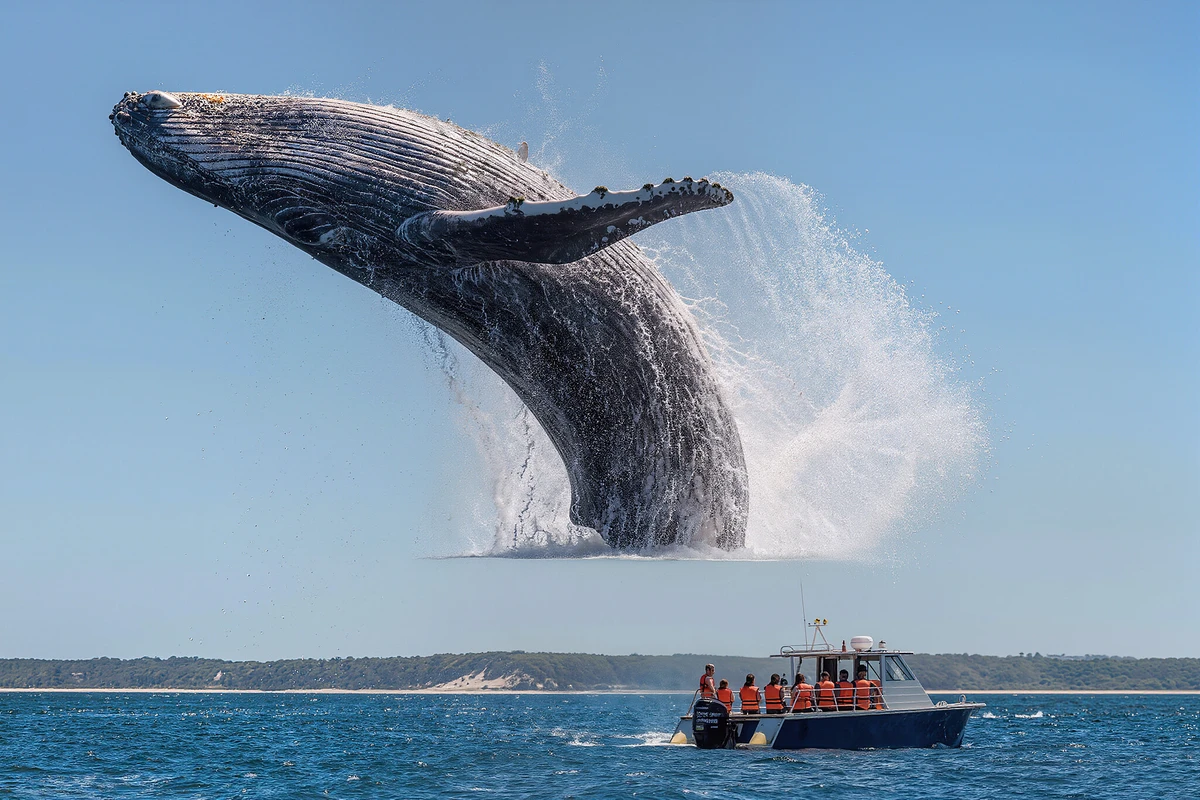
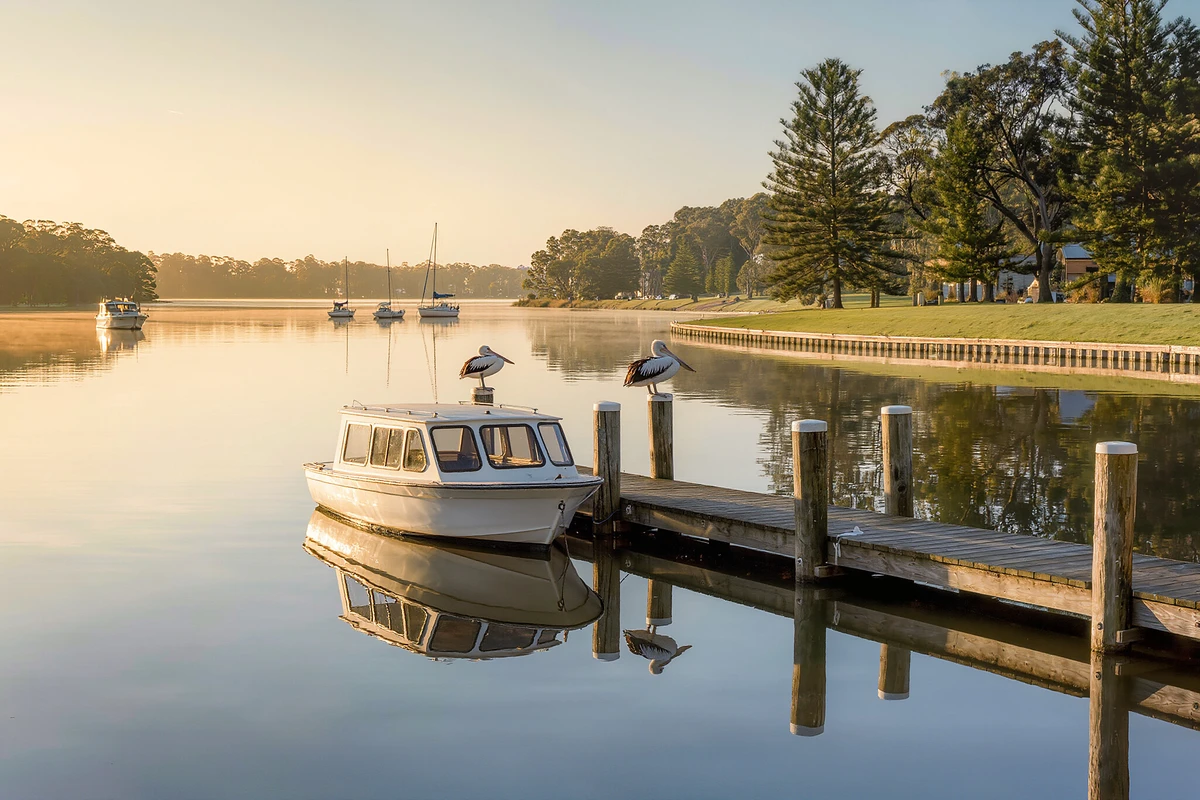
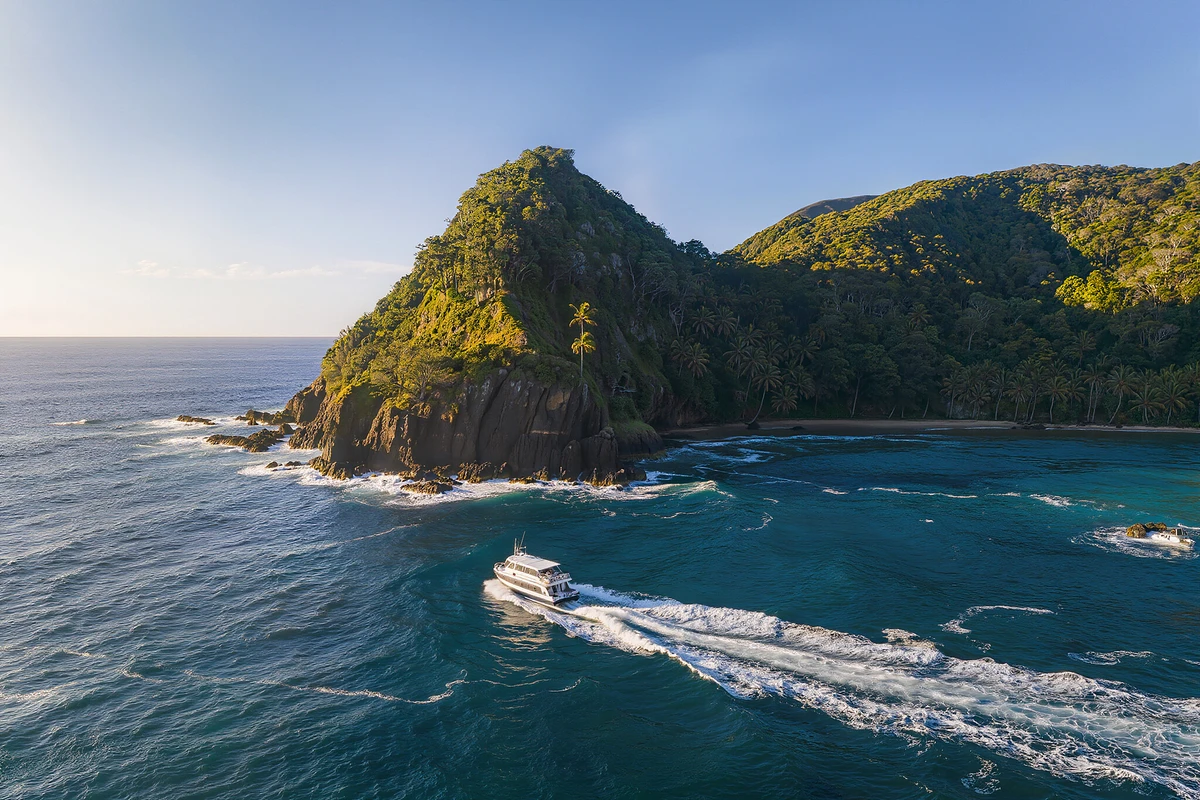
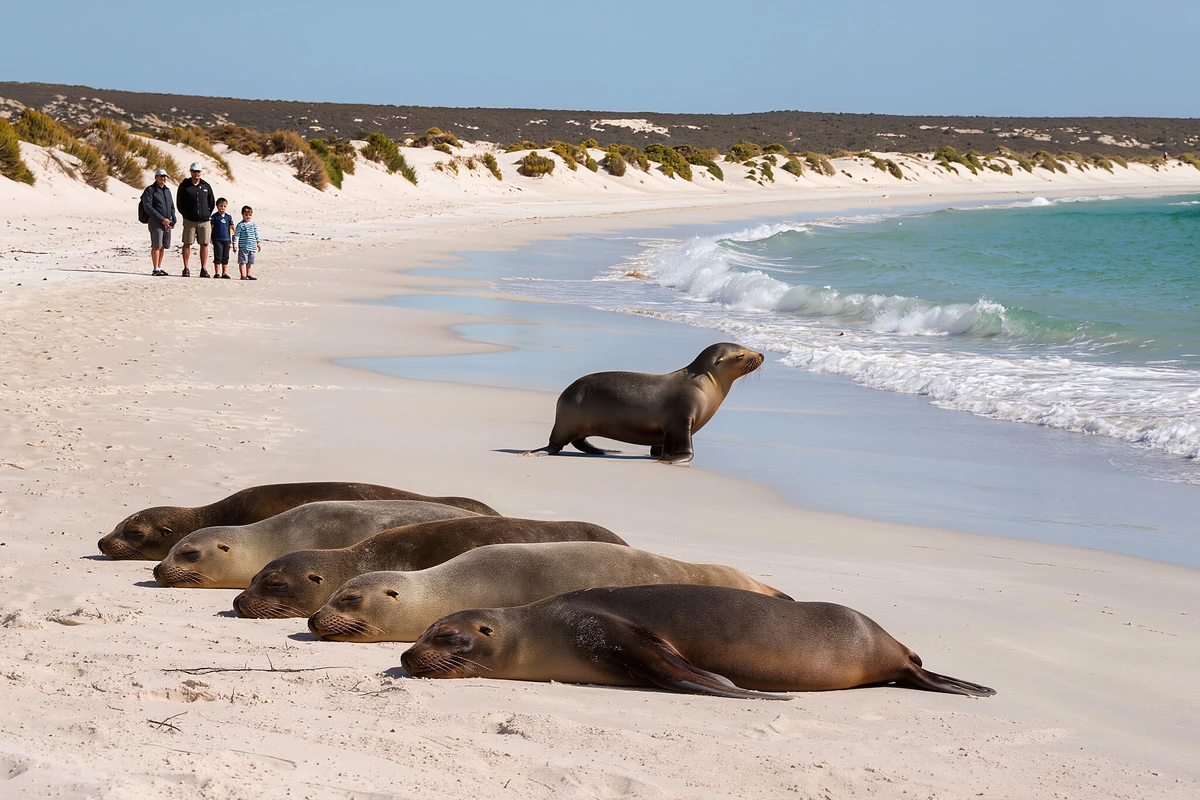
Some images are AI-generated for illustration. While we confirm your booking, just ask and we will send you the original photos.
- Fair, honest prices
- Real people, not bots
- Confirm, then pay
- Secure payment

Overview
This Noosa whale watching cruise is a shared two-hour trip on a small, fast vessel that leaves Noosaville on the Noosa River and heads past Noosa Heads into Laguna Bay and the open Pacific, where humpback whales pass on their migration between July and October. The single option includes the cruise, commentary from the skipper and crew, life jackets, ponchos and highlight footage to download. Boarding and the safety briefing take place 30 minutes before the 08:00, 10:30 or 13:30 departure, and there is no hotel pickup. Because the boat is small, you sit close to the water and the whales, which suits couples, photographers and families with children aged eight and over who enjoy a lively ride; it is a seasonal experience in Noosa, Australia.
Highlights
- Humpback whales breaching, tail-slapping and spouting close to a small vessel
- Two hours on the water during the July to October migration season
- Departure from Noosaville on the Noosa River, past the Noosa Heads headland
- Views of Noosa National Park, Laguna Bay and Sunshine Beach from the sea
- Expert commentary from the skipper and crew on whale behaviour
- Dolphins, turtles and sea birds often seen along the way
- Life jackets and wet-weather ponchos provided
- Highlight footage from your trip available to download
Full Description
Noosaville and the Noosa River
Noosaville is the riverside part of Noosa, a long foreshore of parks, jetties and cafes along Gympie Terrace where the Noosa River widens before it meets the sea. The cruise departs from here rather than from the ocean beach, so the first part of the trip is a calm run downstream past the boat ramps, the sand spit of Noosa North Shore and the resort frontage of Noosa Sound, with pelicans on the posts and the river turning from brown to blue as the salt water arrives.
Boarding is 30 minutes before departure for check-in, a safety briefing and fitting of life jackets. For visitors wondering how to get to the Noosa whale watching departure point, Noosaville is a ten-minute drive or a short bus ride from Noosa Heads, and there is public parking near the river. The river exit at the mouth is where the ride becomes lively, so hold on and enjoy the change from sheltered water to open sea.
Laguna Bay and the Noosa Heads headland from the sea
Laguna Bay is the wide, north-facing bay between the Noosa River mouth and the headland of Noosa National Park, and it is the water you see from Main Beach and Hastings Street. From the boat the view reverses: the pandanus-covered headland, the surf breaks at First Point and Tea Tree Bay and the cliffs of Hells Gates slide past on the right, while the long line of Sunshine Beach and Peregian opens up beyond the point. Sea eagles and terns work the water, and dolphins often ride the bow wave here.
The skipper follows the coast out to the migration lane, usually within a few kilometres of the shore, so the whole trip stays within sight of land. This is part of what makes a whale watching tour in Noosa different from offshore trips elsewhere: the backdrop of the national park headland, the warm colour of the water and the short distance between the river and the whales themselves.
Humpback whales on the east coast migration
Every winter, humpback whales leave the feeding grounds of Antarctica and travel north along Australia's east coast to breed and calve in the warm, sheltered waters of Queensland, then return south between August and October with newborn calves at their side. Noosa sits directly on this route, and the whales pass close to the coast on both legs, which is why the whale watching season in Noosa runs from July to October. The population has recovered strongly since whaling ended, and sightings on a typical trip are frequent.
The crew explain what you are seeing: the tall blow of exhaled air, breaching when a whale throws most of its body out of the water, pectoral and tail slaps that carry across the water, and spy-hopping when a curious whale rises vertically to look at the boat. Young calves are especially playful in September and October. The best time to visit Noosa for whales is therefore late winter and early spring, with calm morning departures giving the smoothest water for photographs.
Other marine life on the trip
Whales are the reason to book, but the waters off Noosa Heads hold much more. Bottlenose dolphins live year-round in Laguna Bay and often approach the vessel, green and loggerhead turtles surface for air near the headland, and manta rays and schools of fish gather over the reefs off Sunshine Beach in warmer months. Sea birds follow the boat, including gannets diving for baitfish and the occasional wandering albatross on windy days.
The commentary covers this wider ecosystem and the reasons the coast is so productive, from the mixing of river and ocean water to the rocky reefs below. Because the vessel is small and nimble, the skipper can move quickly to whatever is happening, which gives a more varied two hours than a large ship could. Bring a camera with a strap, and expect some spray; ponchos are provided for that reason.
Noosa Heads and the Sunshine Coast
Noosa Heads is the main resort town of the northern Sunshine Coast, built around the headland and Hastings Street beside Main Beach, with Noosa National Park on one side and the river and Noosaville on the other. The town is compact, so a morning whale cruise can be followed by lunch on Hastings Street, a walk along the coastal track to Tea Tree Bay or an afternoon on the river, and the 13:30 departure leaves the morning free for the beach.
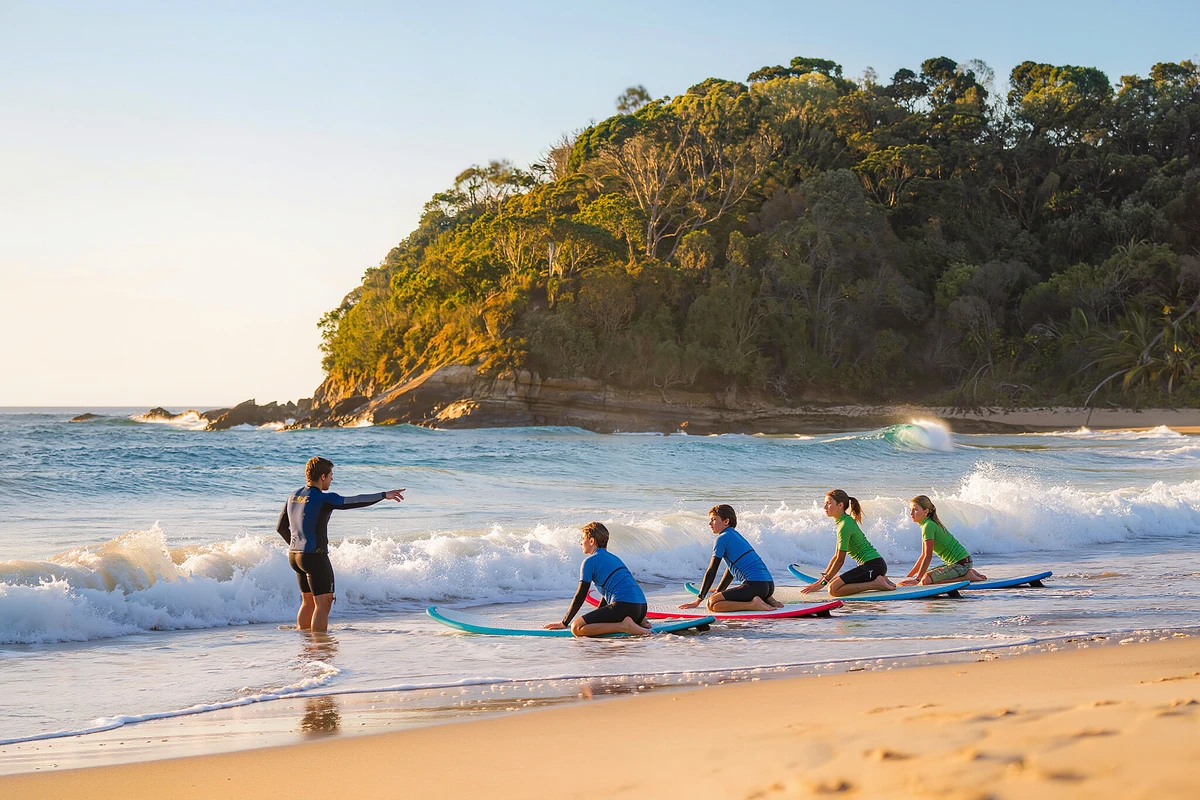
The Sunshine Coast stretches south from Noosa through Sunshine Beach, Coolum and Maroochydore to Caloundra, roughly an hour and a half north of Brisbane by road. Noosa whale watching is one of the few seasonal experiences on this coast, and it combines naturally with the Noosa Everglades cruise, a surf lesson at Main Beach or a day trip to K'gari for a complete stay in the area.
Itinerary
- Check-in at Noosaville (30 minutes before departure)Meet the crew at the departure point on the Noosa River, sign in, listen to the safety briefing and put on your life jacket.
- Departure at 08:00, 10:30 or 13:30A calm run down the Noosa River past Noosa North Shore and Noosa Sound to the river mouth.
- Laguna Bay and the headlandThe vessel rounds Noosa Heads with views of Noosa National Park, First Point and Sunshine Beach while the crew scan for blows.
- Whale watchingMost of the two hours is spent along the migration route watching humpbacks breach, slap and spout, with commentary on their behaviour.
- Return to NoosavilleBack along the coast and up the river to the departure point, about two hours after leaving; highlight footage is shared for download afterwards.
What's included
- 2-hour whale-watching cruise
- Expert commentary from the skipper and crew
- Life jackets
- Ponchos for wet weather
- Highlight footage from the day that you can download
Not included
- Hotel pickup and drop-off
- Food and drinks
Is this right for you?
Great for
- Nature and wildlife lovers
- Anyone who wants to see it from the water
- Travellers who want a proven choice — rated 4.8/5 by past travellers
Think twice if
- You want a private tour — this one is shared with other travellers
- You get seasick easily
Not suitable for
- Children under 8 years
Meeting point
There is no hotel pickup. The cruise departs from Noosaville on the Noosa River; the exact jetty and address are on your confirmation. Please arrive 30 minutes before your 08:00, 10:30 or 13:30 departure for check-in, the safety briefing and life jacket fitting, as the vessel cannot wait for late arrivals. Public parking is available near the Noosaville foreshore.
Important information
- The season runs from July to October only; outside these months the cruise does not operate
- Arrive 30 minutes before departure for the compulsory safety briefing
- Children must be aged eight or over to join
- The vessel is small and fast, so expect a lively ride and some spray; ponchos are provided
- Bring a windproof jacket, hat with a strap, sunglasses, sunscreen and a camera with a strap
- Food and drinks are not included; eat beforehand and bring water
- If you are prone to seasickness, take precautions before boarding and choose a morning departure when the sea is usually calmer
- Whales are wild animals and sightings, while frequent in season, cannot be guaranteed
Good to know
Frequently Asked Questions
Straight answers to what travellers ask us most, before they book.
Is this a shared or a private experience?
It is a shared cruise on a small vessel with a limited number of guests, which keeps everyone close to the water and to the whales.
How long does the whale watching cruise take?
About two hours on the water, plus 30 minutes of boarding and safety briefing before departure, so allow two and a half hours in total.
Is hotel pickup included?
No. You make your own way to the departure point in Noosaville, which is a short drive or bus ride from Noosa Heads.
What is included?
The two-hour cruise, expert commentary from the skipper and crew, life jackets, ponchos for wet weather and highlight footage from the day that you can download. Food and drinks are not included.
Is the price per person or per group?
The price is per person, with an adult rate and a child rate for ages eight to thirteen. The booking panel on this page shows the current price.
Is it suitable for children and people with reduced mobility?
Children aged eight and over are welcome. The vessel is small and the ride can be bouncy, so it is not ideal for people with limited mobility or serious back problems; please ask us before booking if you are unsure.
When is the whale watching season in Noosa?
From July to October, when humpback whales pass Noosa on their migration north and again on the return south with calves in September and October.
Will I definitely see whales?
Sightings in season are frequent because the migration passes close to the coast, but whales are wild animals and no cruise can guarantee them. The crew work hard to find activity on every trip.
What should I bring?
A windproof jacket, hat with a strap, sunglasses, sunscreen, water and a camera secured with a strap. Dress in layers, as it is cooler at sea than on the beach.
What happens in bad weather?
The cruise runs in light rain, and ponchos are supplied. If wind or swell make the sea unsafe, the skipper cancels and we move your booking to another departure or date.
Which departure time is best?
The 08:00 departure usually has the calmest sea and softest light; the 10:30 and 13:30 trips are warmer and suit those who prefer a later start. Whale activity is good at all three.
How do I book and confirm?
Choose your date and departure time on this page and send the booking. Our team confirms on WhatsApp within minutes and sends the exact departure address in Noosaville.
More in Noosa
Getting to & around Noosa
Popular across Australia
-
-

-
-
-
-