
Paro
Plan Paro with Haqqi Tours: day tours, private airport transfers, attraction tickets and packages, run by our own team and confirmed on WhatsApp in Arabic or English.
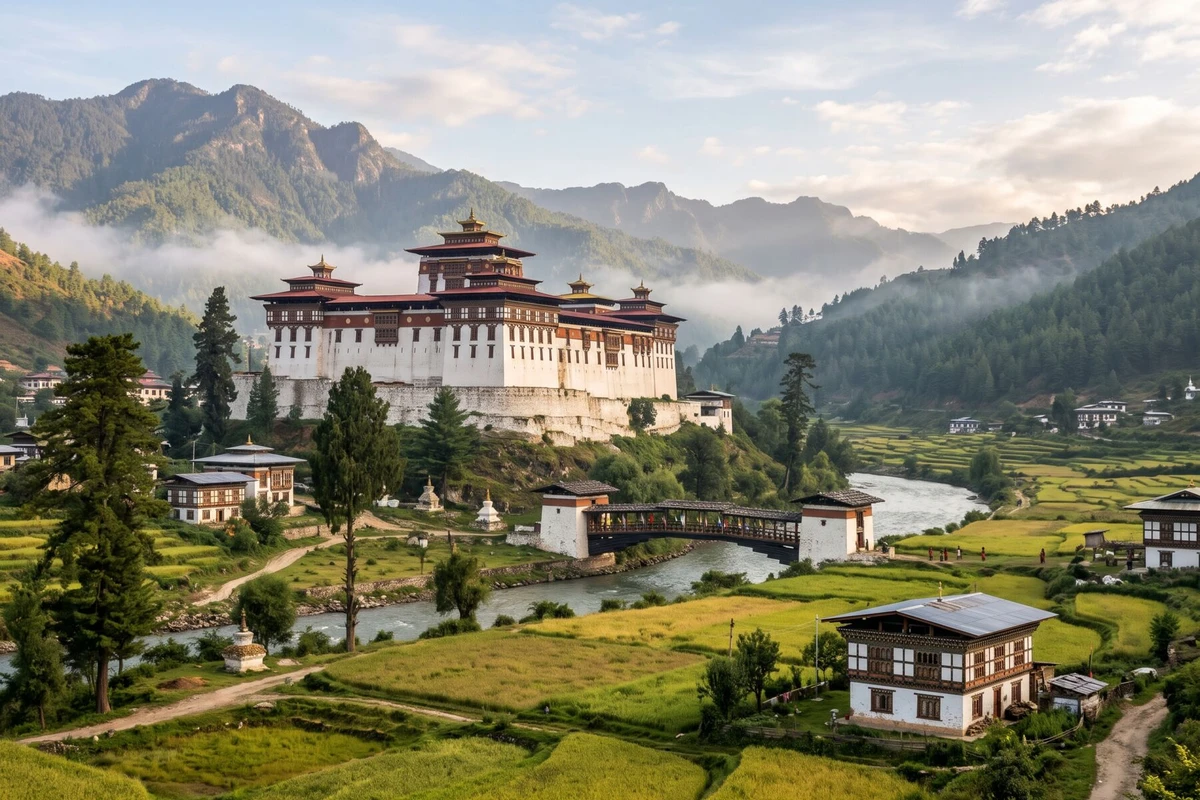
Just after sunrise in Paro, the river runs cold and clear past willow trees, and the white walls of Rinpung Dzong glow above the water like a ship of stone. Farmers walk to the rice fields in woven boots, prayer wheels turn with a soft creak at the edge of the bazaar, and on the ridge high above the valley a tiny white shape catches the light: the Tiger's Nest monastery, waiting at the end of a forest trail.
Nothing matches those filters yet. Widen your search or message us on WhatsApp.
Paro Day Tours
View all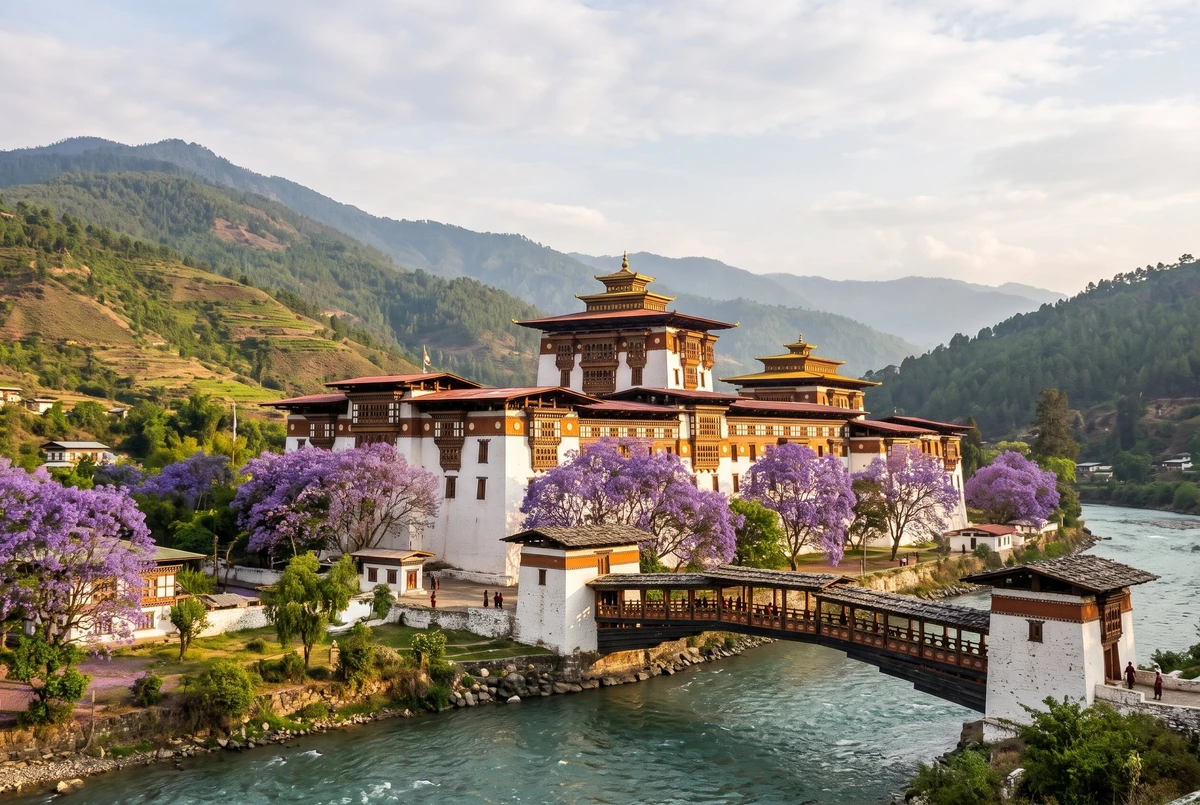
Paro at first sight
Paro sits at about two thousand two hundred metres in a wide, fertile valley in western Bhutan, with the country's only international airport. It is a small town of painted wooden shopfronts, a single main street and quiet farmhouses scattered across the fields, yet it holds some of the kingdom's oldest and most sacred places. For most travellers Paro is both the first and the last stop, and the perfect place to adjust to the mountains.
Why include Paro in your itinerary?
- The Tiger's Nest above the valley. Paro Taktsang, a monastery built into a cliff high above the forest, is the most famous sight in Bhutan, and the hike to it is a true highlight of any Himalayan journey.
- Ancient temples and a living dzong. Kyichu Lhakhang is among the oldest temples in the country, and Rinpung Dzong still houses monks and local government offices, reached on foot over a covered wooden bridge.
- The gateway to the western valleys. The capital Thimphu is about an hour away, Punakha lies beyond the Dochula pass, and the high road over Chele La leads to the quiet Haa valley.
Signature experiences in Paro
The Hike to the Tiger's Nest
The trail to Paro Taktsang begins about twenty minutes north of town and climbs through blue pine forest hung with moss and prayer flags. Halfway up, a simple café terrace gives the first close view of the monastery, then the path continues to a viewpoint on the opposite side of the gorge before a stone stairway leads down past a waterfall and up to the entrance. Most walkers take two to three hours to climb, and our private guides set a gentle pace and explain the legends of the cave where a saint is said to have meditated.
A Traditional Hot Stone Bath
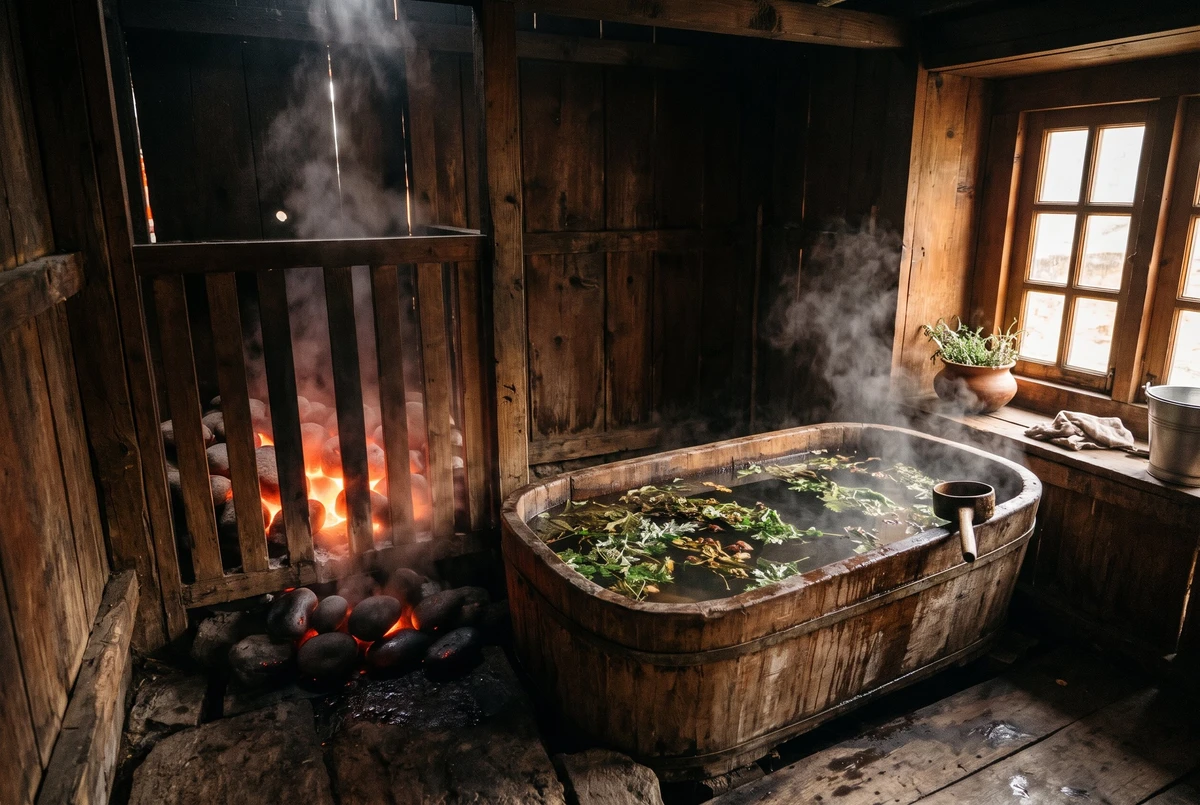
After the hike, nothing feels better than a dotsho, the Bhutanese hot stone bath. River stones are heated in a wood fire until they glow, then dropped into a compartment of a wooden tub filled with water and fragrant herbs such as wild artemisia, where they hiss and release their warmth slowly. Baths are prepared in farmhouses and lodges around the valley, and many visitors combine the soak with a simple farmhouse meal of red rice and chillies cooked in cheese.
Rinpung Dzong and the National Museum
Rinpung Dzong, the fortress on a heap of jewels, rises above the Pa Chhu and is reached across Nyamai Zam, a traditional covered cantilever bridge. Inside, whitewashed courtyards, carved wooden galleries and painted temple halls show how a dzong serves both monks and local administration. Above it, the round watchtower of Ta Dzong holds the National Museum of Bhutan, with masks, thangka paintings, textiles and displays on the country's history and nature.
Kyichu Lhakhang and the Upper Valley
Kyichu Lhakhang, believed to date from the seventh century, is one of the two oldest temples in Bhutan, a small and peaceful shrine surrounded by prayer wheels and orange trees. Further up the valley, the ruins of Drukgyel Dzong, now carefully restored, once guarded the route to Tibet, and on clear days the snow peak of Jomolhari can be seen beyond it. Farmhouses along the way welcome visitors for butter tea and a glimpse of rural life.
Multi-Day Journeys to Thimphu and Punakha
Paro is the starting point for private journeys through the western valleys. In Thimphu you visit the Memorial Chorten, the giant seated Buddha above the city, Tashichho Dzong and the weekend market, then cross the Dochula pass with its field of memorial chortens and Himalayan views to reach Punakha, where the great dzong stands where the Pho Chhu and Mo Chhu rivers meet. A licensed guide and driver travel with you throughout, and we arrange every night and transfer.
Neighbourhoods and quarters to know in Paro
Paro Town
The compact town centre is built around one main street of painted wooden buildings with small shops, handicraft stores, cafés and simple restaurants, a short drive from the airport. Staying here or just outside keeps you close to the dzong, the museum and the archery ground, with easy evening walks along the river.
Below Rinpung Dzong
The area across the river below the dzong and the National Museum is green and quiet, with footpaths, the covered bridge and views of the fortress lit up at night. A few hotels and guesthouses sit on the hillside here, ideal for travellers who want to stroll to the dzong in the soft morning light.
Kyichu and the Upper Valley
North of town, the road towards Kyichu Lhakhang, Drukgyel Dzong and the Tiger's Nest trailhead passes rice fields, orchards and traditional farmhouses. Many of the valley's most peaceful lodges are found here, along with farmhouse stays that prepare hot stone baths, and it is the most convenient base for an early start on the hike.
The Road to Chele La and Haa
South of Paro, a mountain road climbs through forests of rhododendron and fir to Chele La, at nearly four thousand metres one of the highest road passes in Bhutan, with views towards Jomolhari on clear mornings. Beyond lies the quiet Haa valley, with few visitors and simple farmhouse stays, best visited as a day trip or a night away from Paro.
How long to stay in Paro and how to pair it
Recommended stay
We recommend two to three nights in Paro. One day for Rinpung Dzong, the National Museum and Kyichu Lhakhang while you adjust to the altitude, one day for the Tiger's Nest hike followed by a hot stone bath, and a third for Chele La or a farmhouse visit. Paro is usually combined with Thimphu and Punakha on a four to six day private tour.
How to pair it
Paro pairs naturally with Thimphu, the capital, about an hour away, for its giant Buddha, the Memorial Chorten and Tashichho Dzong. The Punakha valley lies about three hours beyond Thimphu over the Dochula pass, the Haa valley is reached over Chele La, and with more time you can continue to the crane valley of Phobjikha or to Bumthang in central Bhutan.
Best time to visit Paro and the rhythm of the day
Best months
The best times to visit Paro are March to May and September to November, with mild sunny days and clear views of the peaks. The Paro festival in spring brings masked dances to the dzong courtyard. December to February is cold at night but bright and quiet, while June to August brings monsoon rain, low clouds and very green fields.
The daily rhythm
Paro wakes early. Mornings are for the Tiger's Nest trail, the dzong and temple visits while the air is cool and clear. Afternoons slow down, with time for a hot stone bath, archery on the town field or a walk along the river. By early evening shops along the main street close their shutters, and nights are quiet and starry over the valley.
On-the-ground logistics in Paro
Arrival
Paro International Airport (PBH) lies on the valley floor about ten minutes from Paro town, with flights from cities such as Delhi, Kathmandu, Bangkok and Singapore; the approach between the mountains is famously dramatic. Overland, the border town of Phuentsholing is about five to six hours away by road. We arrange private transfers with your guide and driver waiting at arrivals.
Getting around
Paro town is small and easy to explore on foot, but the valley is spread out, so most visits are made by car. Visitors travel with a licensed guide and a private vehicle with driver on most itineraries, which makes it simple to reach the Tiger's Nest trailhead, Drukgyel Dzong and Chele La. Taxis are available in town, and our team arranges all transport for your tour.
Local etiquette tip
Dress modestly when visiting the dzong and temples, with long sleeves and long trousers or skirts, and remove hats before entering. Walk clockwise around chortens and temples, ask your guide before taking photographs, as cameras are not allowed inside most shrines, and never point at sacred images. Greet people with a smile and kuzuzangpo la, and accept tea with both hands.
Must-do things in Paro
- Hike to the Tiger's Nest monastery
- Relax in a hot stone bath in a farmhouse
- Cross the covered bridge to Rinpung Dzong
- See masks and thangkas in the National Museum
- Visit the ancient temple of Kyichu Lhakhang
- Walk the restored ruins of Drukgyel Dzong
- Watch an archery match on a village field
- Drive up to Chele La for Himalayan views
- Taste ema datshi with Paro red rice
- Join a private tour to Thimphu and Punakha
Do’s and don’ts in Paro
Do
- Do start the Tiger's Nest hike early in the morning
- Do dress modestly for dzongs and temples
- Do bring layers, as evenings are cool all year
- Do carry a refillable water bottle on the trail
- Do keep small notes for village shops and cafés
Don’t
- Don't hike to the Tiger's Nest on your arrival day
- Don't take photos inside temples without asking
- Don't walk anticlockwise around chortens
- Don't climb on chortens or sacred stones
- Don't drink untreated tap or stream water
Paro at a glance
Plan Paro with Haqqi Tours
Every option is confirmed by our team on WhatsApp before you pay, and delivered by our own people or by trusted local partners we work with in every city. Because we send travellers from all over the world, our partners give us special rates and priority, so you always receive the best. Prices are per person unless marked per vehicle.
About Haqqi Tours: About us Contact us Legal NoticePrivacy PolicyCookies & Marketing PreferencesTerms & ConditionsBooking, Payment & Refunds
More services in Paro
Good to know
Frequently Asked Questions
Straight answers to what travellers ask most about Paro.
Where should I stay in Paro?
Many visitors stay in or just outside Paro town, close to the dzong, the museum and the main street. The upper valley towards Kyichu Lhakhang and the Tiger's Nest trailhead offers peaceful lodges and farmhouse stays among the rice fields, ideal for an early start on the hike. Our team suggests the best base for your plans and arranges your private transfer from Paro airport.
How difficult is the Tiger's Nest hike from Paro?
The hike is moderate: a steady climb of about two to three hours up and a little less down, on a dirt trail through forest with a stone stairway near the end. The monastery stands at a little over three thousand metres, so take it slowly and drink water. Ponies can carry you part of the way up, and our guides adjust the pace for families and less experienced walkers.
What is a Bhutanese hot stone bath?
A dotsho is a traditional bath in a wooden tub filled with water and herbs, heated by river stones that are warmed in a fire until red-hot and lowered into a separate compartment. It is relaxing after a long walk and is believed to ease aching muscles. Baths are prepared in farmhouses and lodges around Paro, and we can add one to your Tiger's Nest day.
Is Paro suitable for families and Muslim travellers?
Yes. Paro is calm, safe and welcoming, with gentle walks, farmhouse visits, archery and the museum for curious children, and ponies can help younger walkers on the trail. Halal food is limited, so ask before ordering meat, but vegetarian dishes such as chillies with cheese, potatoes, lentils and vegetable momos are easy to find, and our team can advise.
Is it safe to travel to Paro now?
Paro and Bhutan are considered very safe, with low crime and a peaceful atmosphere. The main points to plan for are the altitude, mountain weather and winding roads. Check your own government's official travel advice before departure, follow your guide's advice on the trails, and keep our WhatsApp line handy throughout your stay.
What are the must-do things in Paro?
The must-do things in Paro include the Tiger's Nest hike, a hot stone bath, Rinpung Dzong and its covered bridge, the National Museum, Kyichu Lhakhang, the ruins of Drukgyel Dzong, an archery match and the drive to Chele La. Our private tours combine these with Thimphu and Punakha in the best order for the altitude.
How many days do you need in Paro?
Two to three days is ideal for Paro: one for the dzong, the museum and the old temples, one for the Tiger's Nest and a hot stone bath, and one for Chele La or a farmhouse visit. Most travellers add two or three days in Thimphu and Punakha to make a complete first journey through western Bhutan.
What can I book in Paro with Haqqi Tours?
Day tours, including Private 4-Day Bhutan Tour of Paro, Thimphu and Punakha and Private Tiger's Nest Hike and Hot Stone Bath from Paro or Thimphu. Each has its own page, and the WhatsApp desk combines any of them into one plan with one written price.
How do I get from the airport to my hotel in Paro?
With a private transfer: a driver at arrivals, flight tracking and a fixed price for the whole vehicle, door to door. Tell the desk the flight number and the hotel.
Is there public transport from the airport to Paro?
Ferries from Piraeus take about three to four hours, or two and a half by fast ferry, and Naxos is under an hour away; short flights link Paros Airport with Athens. Buses connect Parikia with Naoussa, Lefkes and the beaches, and the car ferry from Pounta crosses to Antiparos, but a private car is easiest with luggage. With luggage, a family or a late flight, the private car is the simpler choice.
Which tours are available in Paro?
Among them: Private 4-Day Bhutan Tour of Paro, Thimphu and Punakha and Private Tiger's Nest Hike and Hot Stone Bath from Paro or Thimphu. Each page says whether the day is private or small-group, what it includes and how long it lasts.
Are the tours private or in a group?
Both exist, and each tour page says which. A private tour has a vehicle and guide for your party alone; the desk can make most group tours private on request.
How do I book?
Fill in the form on any page or message us on WhatsApp with the date, the number of travellers and the hotel. A member of our team confirms the price and the details in writing within minutes.
Are the prices fixed?
Yes - every price is agreed in writing on WhatsApp before you travel and does not change on the day.
Do the drivers and guides speak Arabic or English?
It depends on the city and the day, so we do not promise a particular language; tell us your preference and we do our best. The WhatsApp desk always works in Arabic and English.
Can I change or cancel a booking in Paro?
Yes, in the same WhatsApp conversation. The terms depend on the product and on how close to the date the change comes; the desk states them before you pay.