
Dublin
Plan Dublin with Haqqi Tours: day tours, private airport transfers, attraction tickets and packages, run by our own team and confirmed on WhatsApp in Arabic or English.
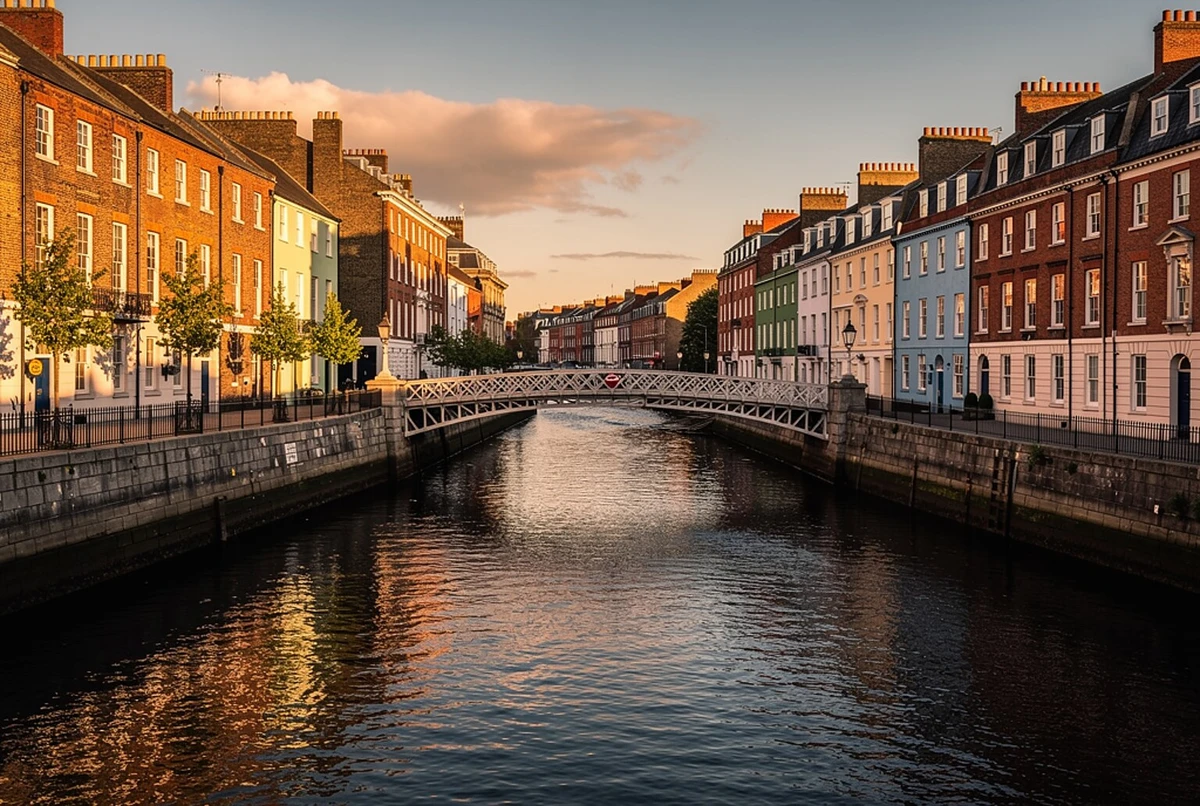
Step out of your hotel in Dublin on a bright morning and the city greets you with sound before sight: seagulls over the River Liffey, a busker's fiddle on Grafton Street, the clatter of a green tram, a stranger cheerfully remarking on the weather. Georgian terraces of red brick line the squares, their doors painted cobalt, scarlet and canary yellow, and the soft, rain-washed light makes every colour glow.
Nothing matches those filters yet. Widen your search or message us on WhatsApp.
Dublin Day Tours
View all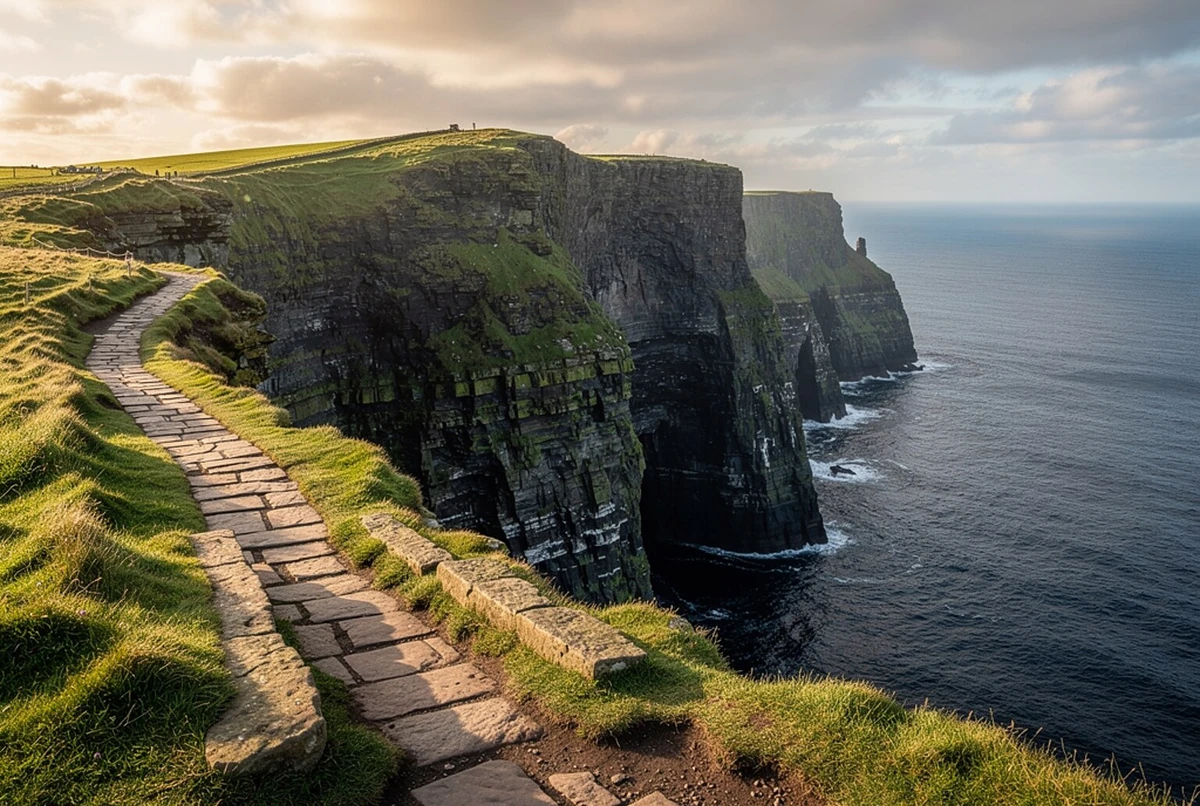
Dublin Attraction Tickets
View all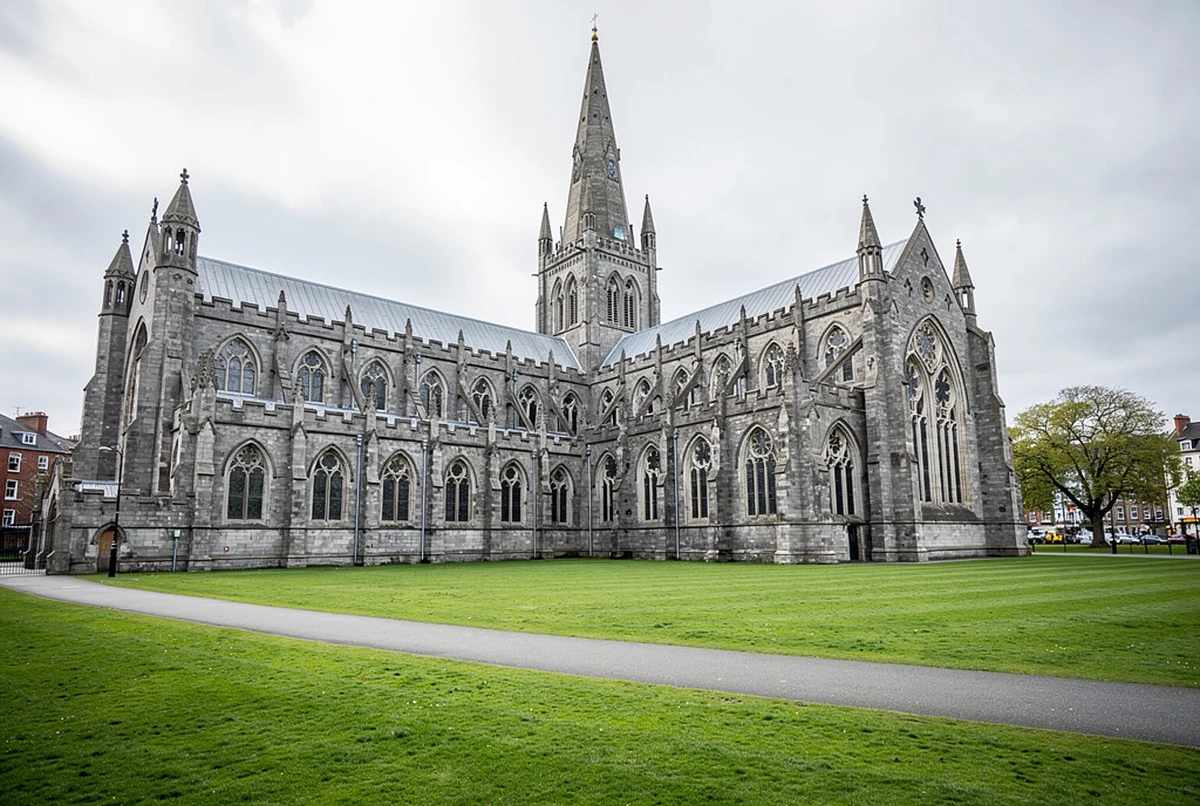
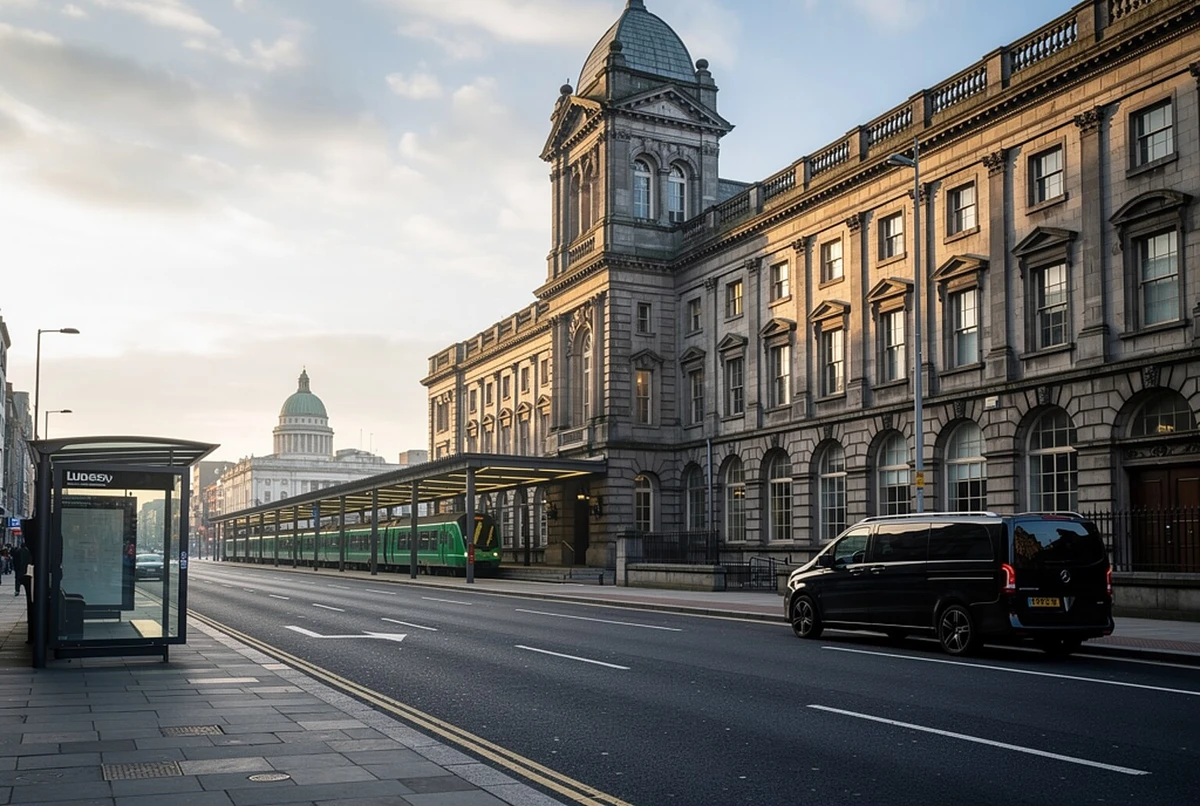
Dublin Airport Transfers
View all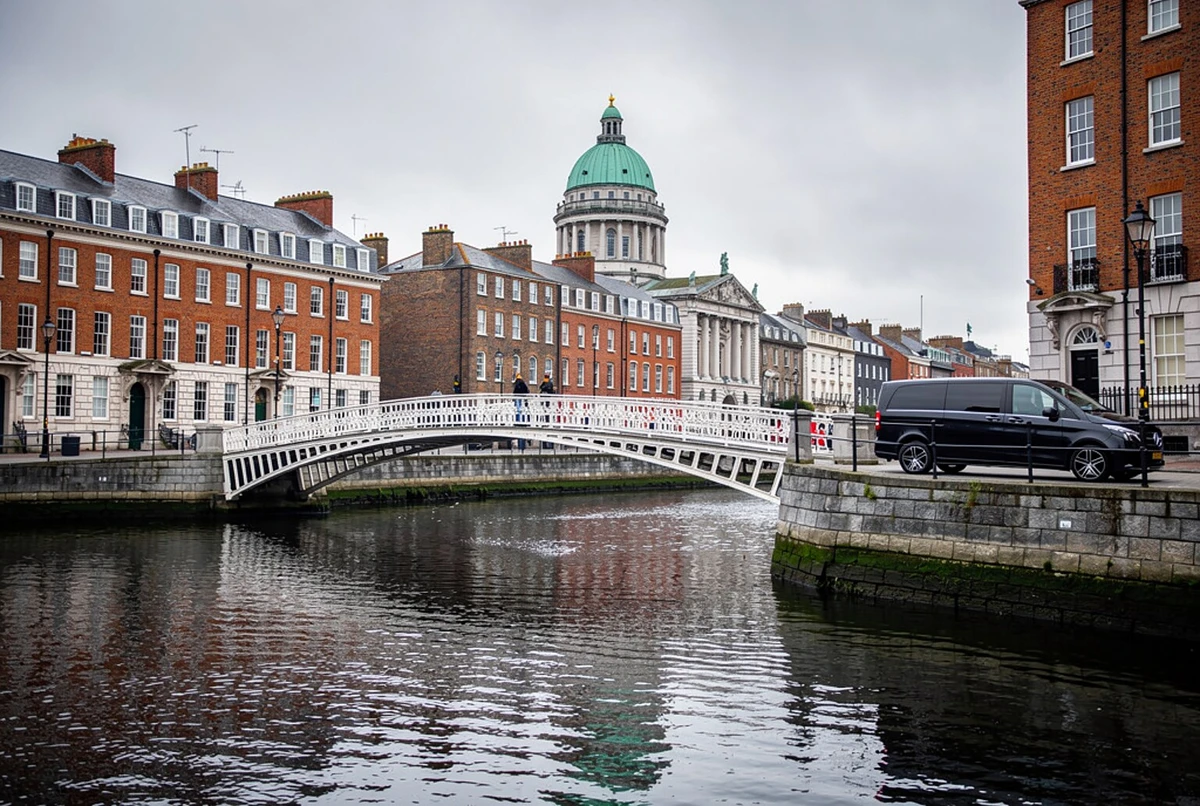
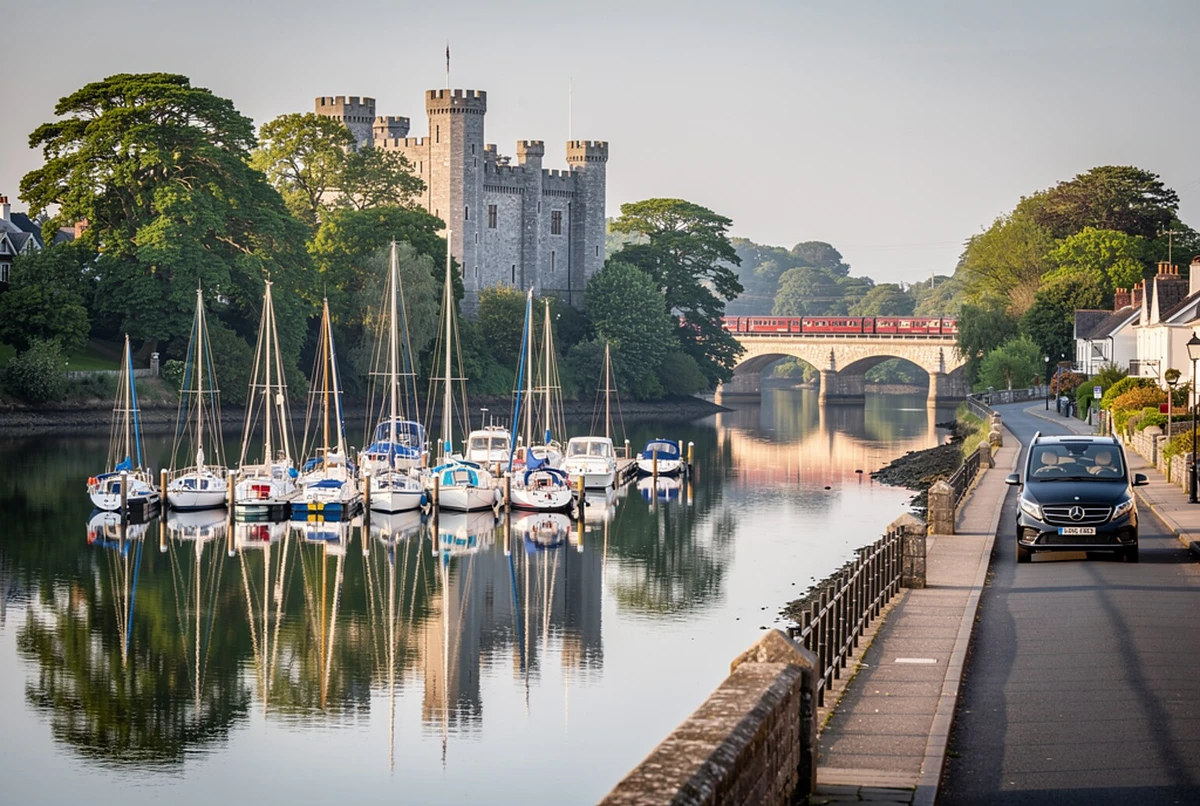
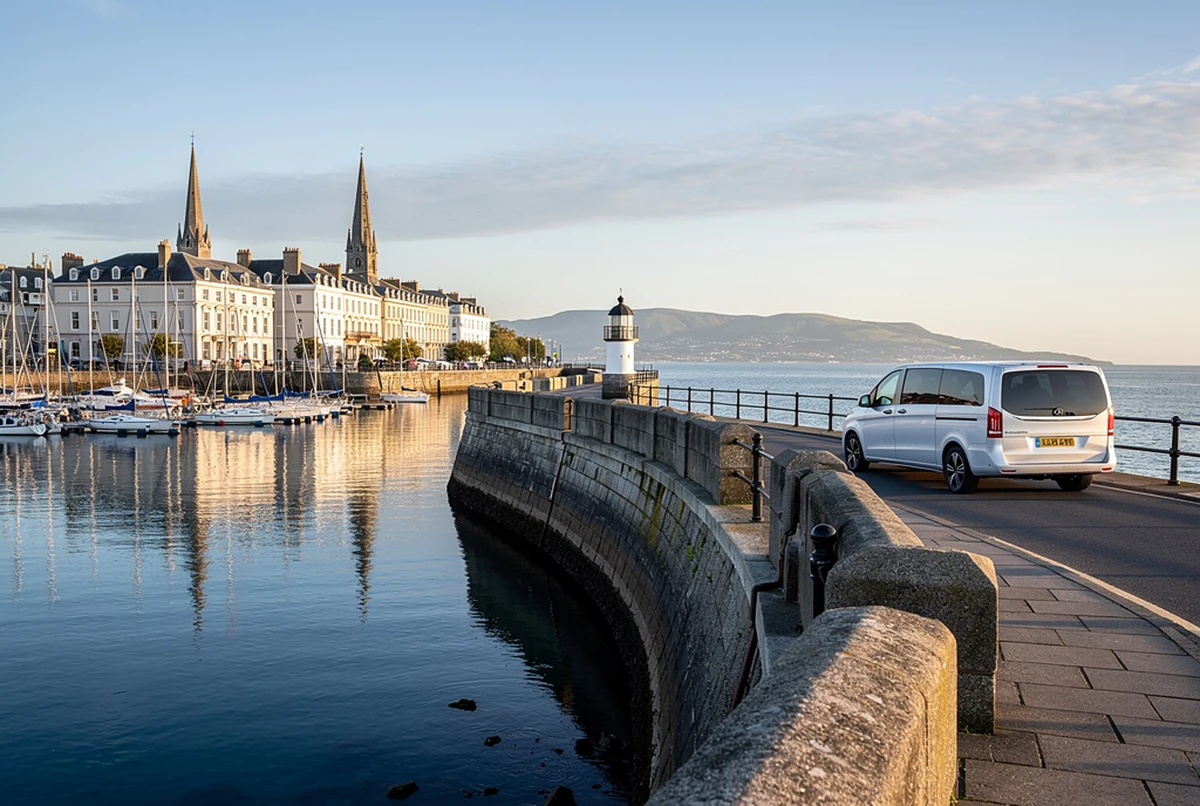
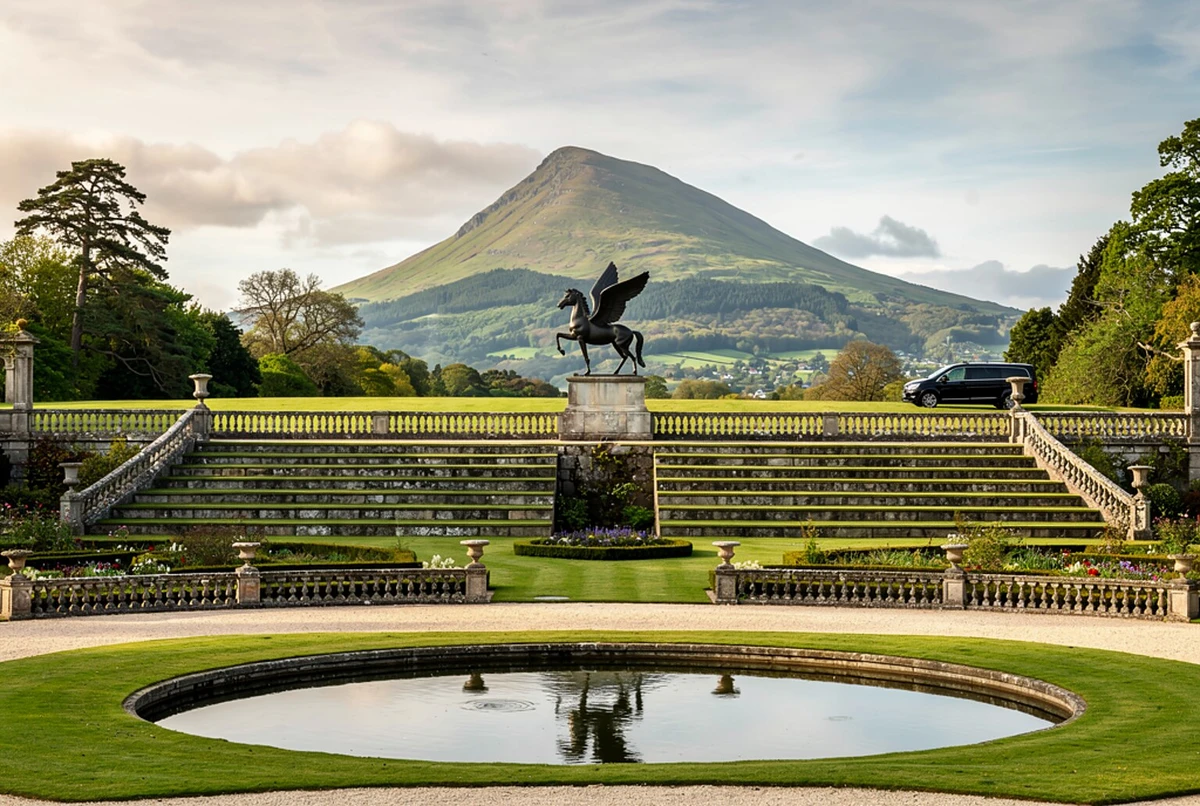
Dublin Flight Tickets
View all

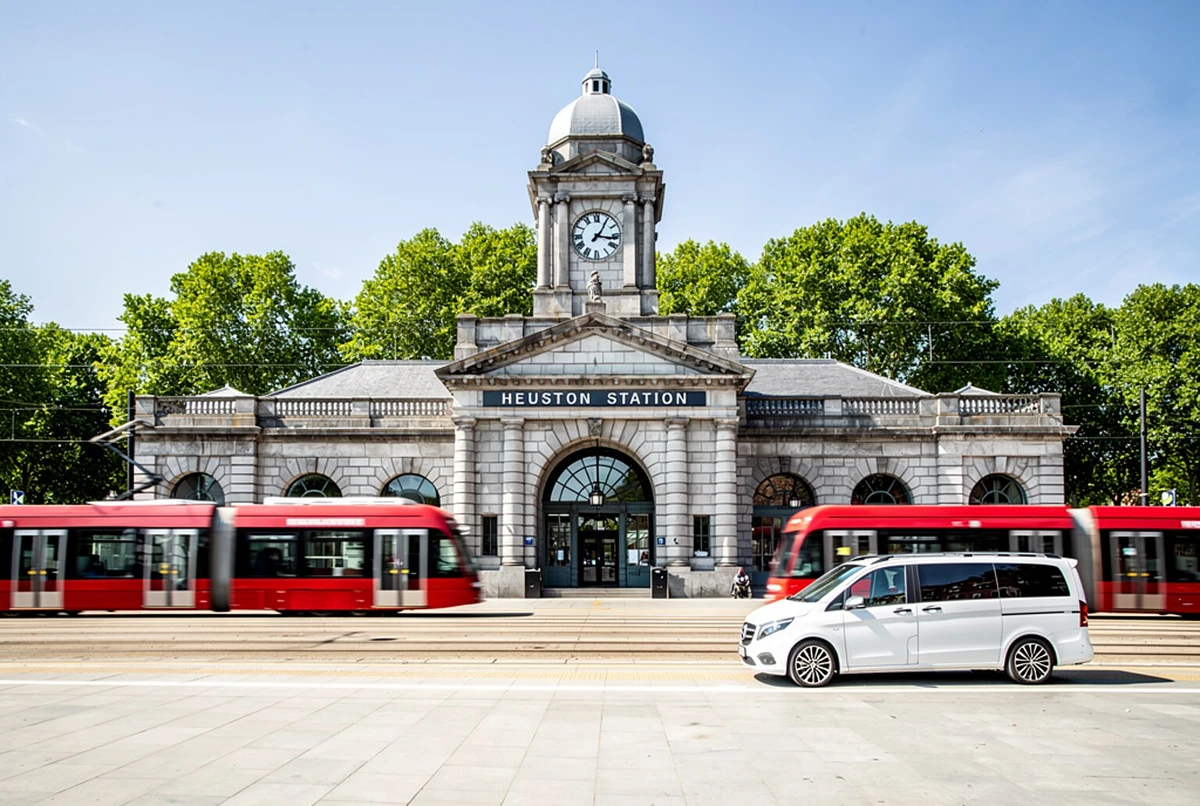
Dublin Train Tickets
View all

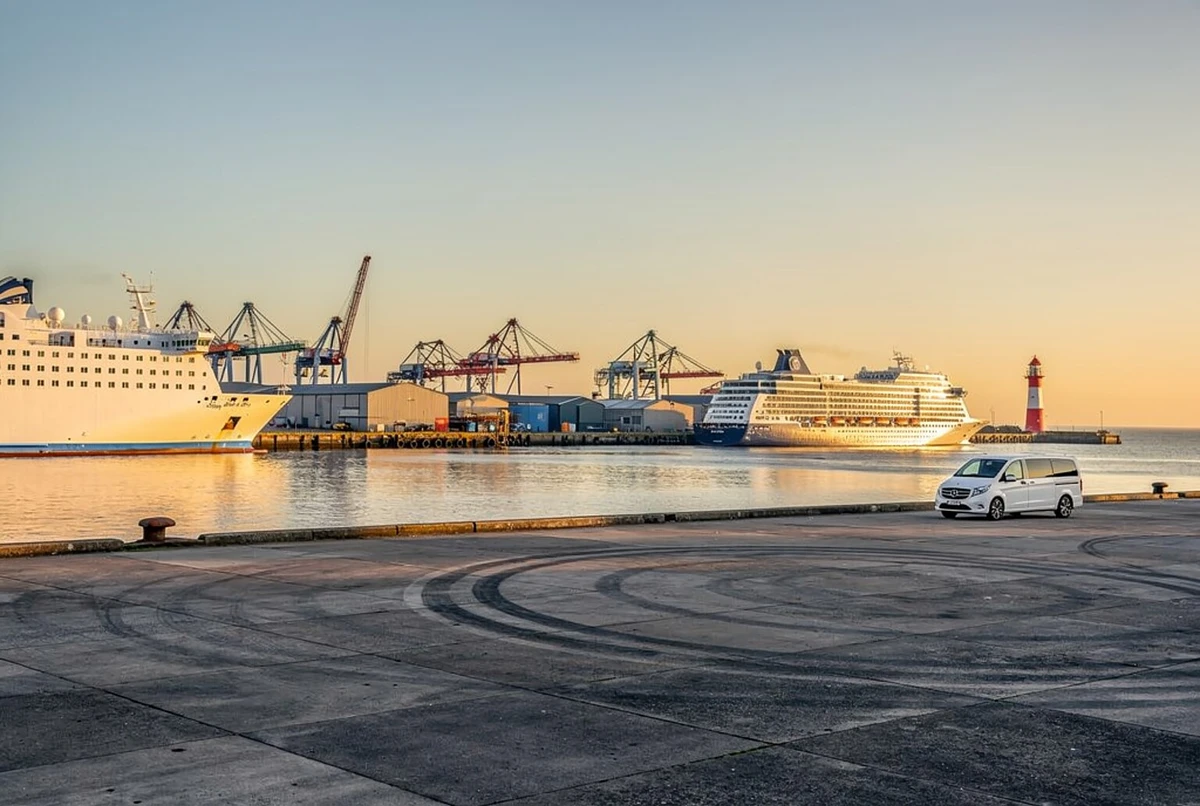
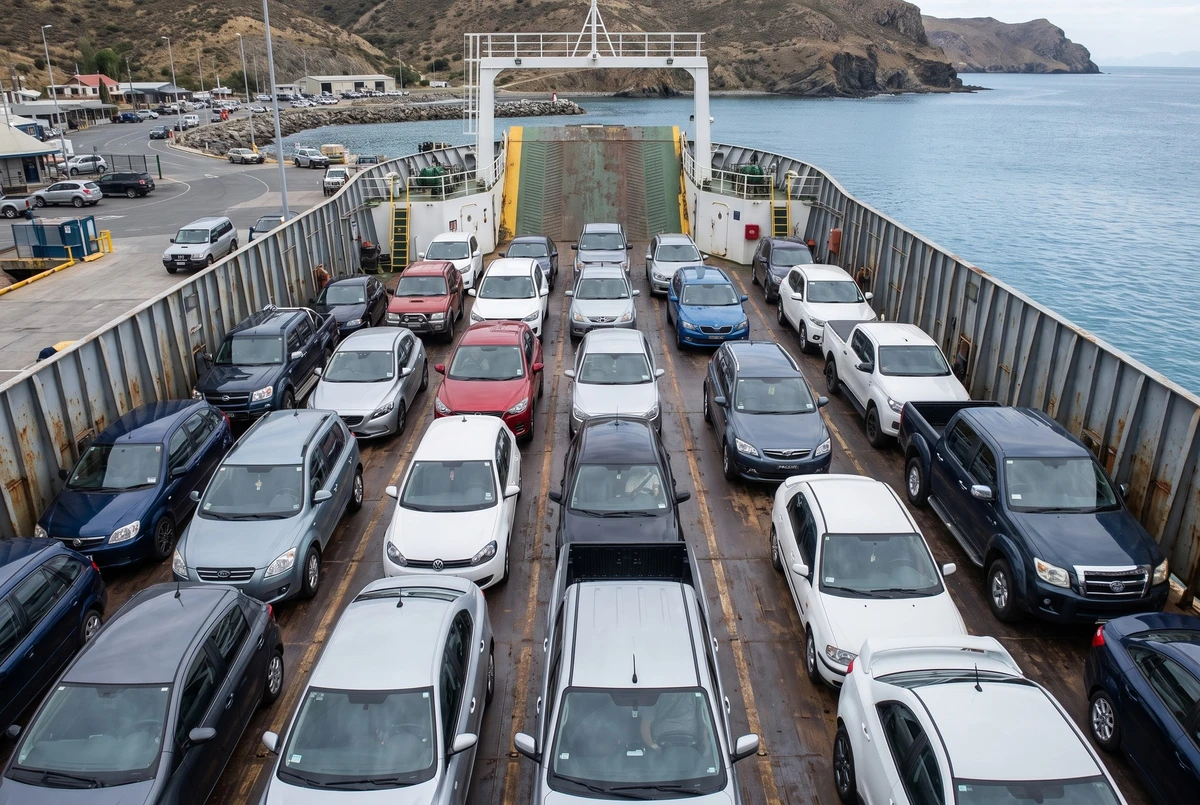
Dublin Ferry Tickets
View all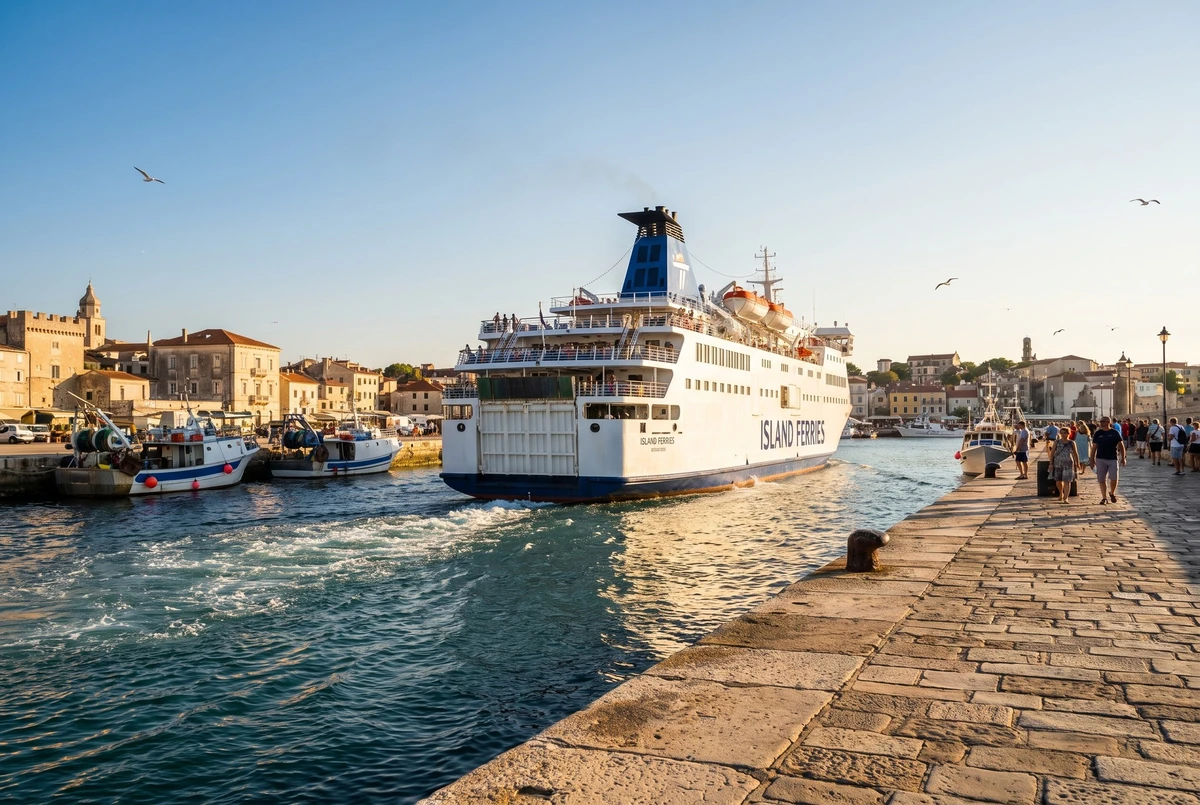
Dublin at first sight
Dublin has been Ireland's capital for a thousand years, founded by Vikings, shaped by Normans, rebuilt in elegant Georgian style and finally the stage for the nation's long struggle for independence. It is a city of writers and storytellers, of medieval cathedrals and modern glass docklands, small enough to walk and big enough to surprise. Most of all, it is the friendly front door to the whole island.
Why include Dublin in your itinerary?
- Ireland's greatest treasures in one compact centre. The Book of Kells at Trinity College, the National Museum's Celtic gold and two medieval cathedrals all lie within a pleasant walk of each other, many with free or easy entry.
- The warmest welcome of any European capital. Dubliners love conversation, directions come with a story and a smile, and the city's literary and musical culture spills naturally into its streets, parks and cafés.
- The perfect base for Ireland's highlights. Glendalough and the Wicklow Mountains, the ancient Boyne Valley, the seaside village of Howth and even the Cliffs of Moher are all reachable on a day trip from Dublin.
Signature experiences in Dublin
Trinity College and the Book of Kells
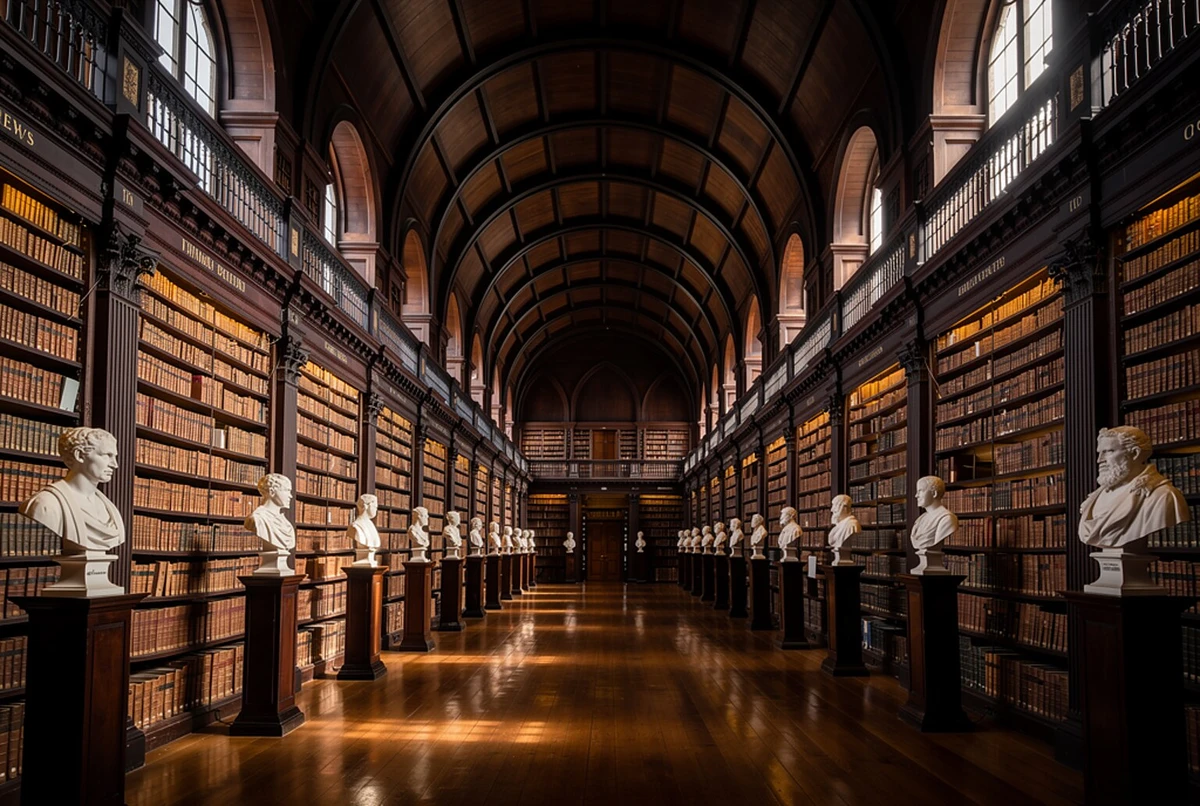
Through the stone arch of Trinity College, founded in 1592, lies a peaceful world of cobbled squares and old lecture halls. In the Old Library rests the Book of Kells, a ninth-century gospel manuscript illuminated by Irish monks with spirals, beasts and saints of extraordinary detail. Timed entry sells out in busy months, so we issue attraction tickets in advance, and our guided day tours add the story behind every page.
Tea, Soda Bread and Traditional Music
Dublin's soul is best felt over a pot of tea. Settle into a historic Grafton Street café for scones with jam and cream, browse the fruit stalls of Moore Street, and taste warm soda bread, seafood chowder and smoked salmon. In the evening, a traditional music and dance show brings fiddles, flutes and flying feet to life. Our guided tours combine these flavours and sounds with the stories that shaped them.
Georgian Dublin and Saint Stephen's Green
South of the river, Dublin's eighteenth-century heart is a joy to wander. Stroll the leafy lawns of Saint Stephen's Green, admire the painted doors and brass knockers of Merrion Square, and step into the National Gallery and the National Museum of Archaeology, where Bronze Age gold gleams in glass cases. Our guided day tours reveal the writers, rebels and architects behind every elegant facade and quiet square.
Glendalough and the Wicklow Mountains
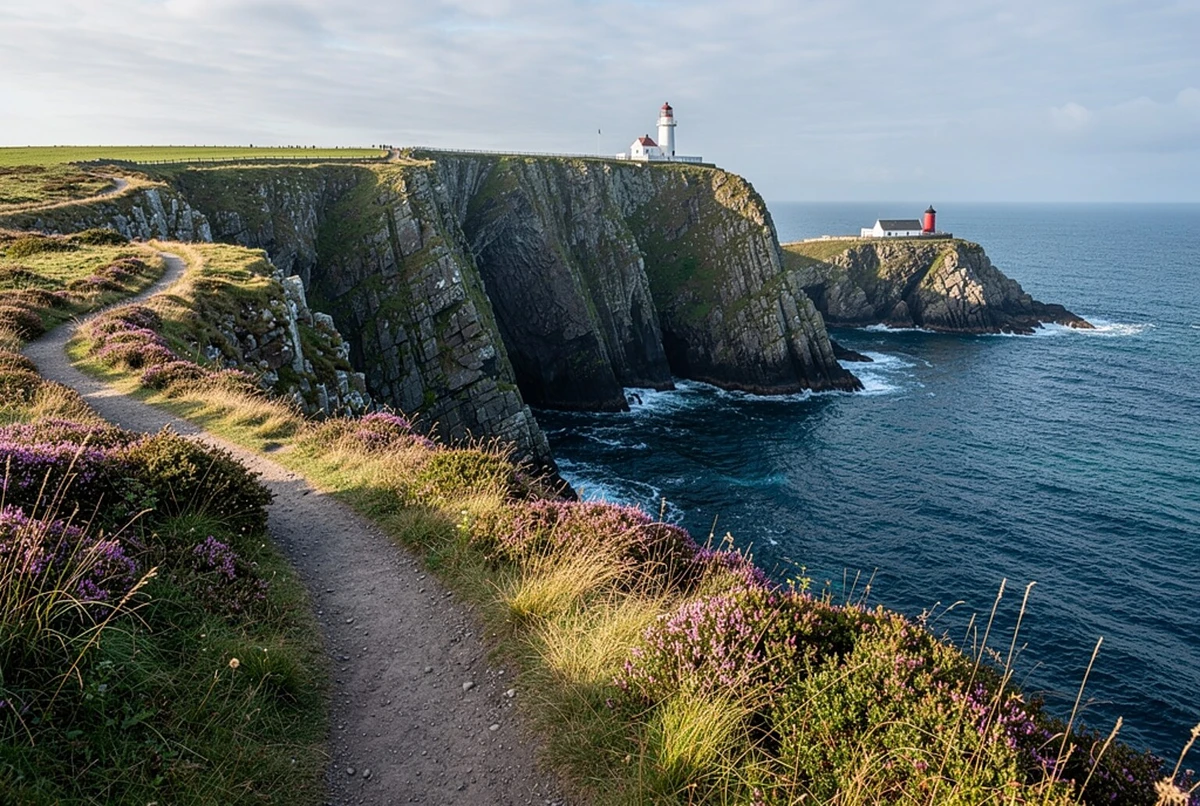
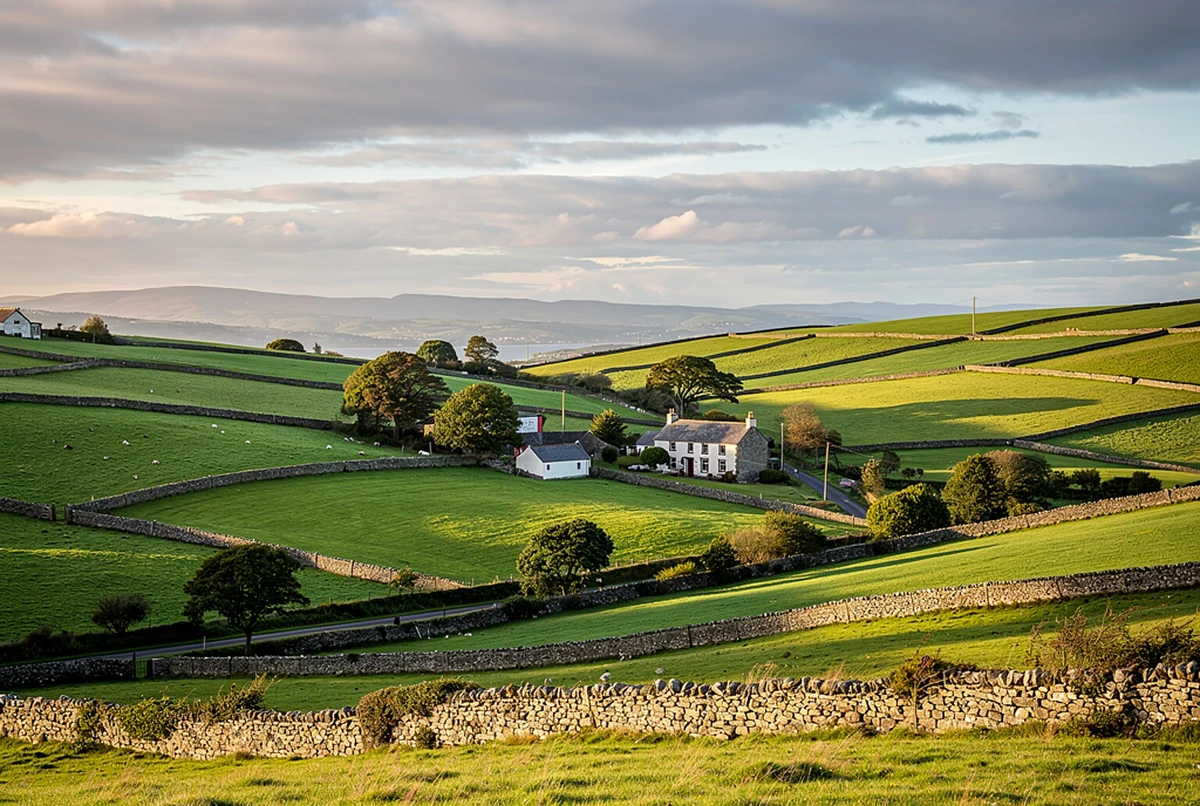
Less than an hour south of the city, the Wicklow Mountains rise in heather-covered ridges, deep valleys and still dark lakes. At Glendalough, the sixth-century monastic settlement of Saint Kevin keeps its slender round tower, stone church and ancient graveyard beside two glacial lakes. Our guided day tour includes scenic stops in the Wicklow Gap, and our team can also arrange a private car with driver for a slower, personal day.
The Cliffs of Moher Day Trip
Ireland's most famous natural wonder lies across the country on the Atlantic coast, where the Cliffs of Moher rise more than two hundred metres above the ocean. A full-day journey crosses the green midlands, passes the lunar landscape of the Burren and often includes a stop in Galway. Our guided day tour handles the long drive and timings, and the attraction tickets we issue cover entry to the cliffs visitor centre.
Neighbourhoods and quarters to know in Dublin
Saint Stephen's Green and Grafton Street
The elegant southside around Saint Stephen's Green is the classic choice for first-time visitors. Grafton Street's shops, Trinity College, the national museums and Georgian squares are all on foot, hotels range from grand historic addresses to stylish boutiques, and the streets feel safe and lively well into the evening. It is busier and pricier than other areas, but perfectly central.
Ballsbridge
A leafy embassy district just south-east of the centre, Ballsbridge is quiet, elegant and very safe, with fine Victorian houses, landscaped gardens and several of Dublin's most refined hotels. It suits families and travellers who want calm evenings, yet the city centre is a short ride by tram, bus or our private car. The Aviva Stadium and Herbert Park are close by.
Grand Canal Dock and the Docklands
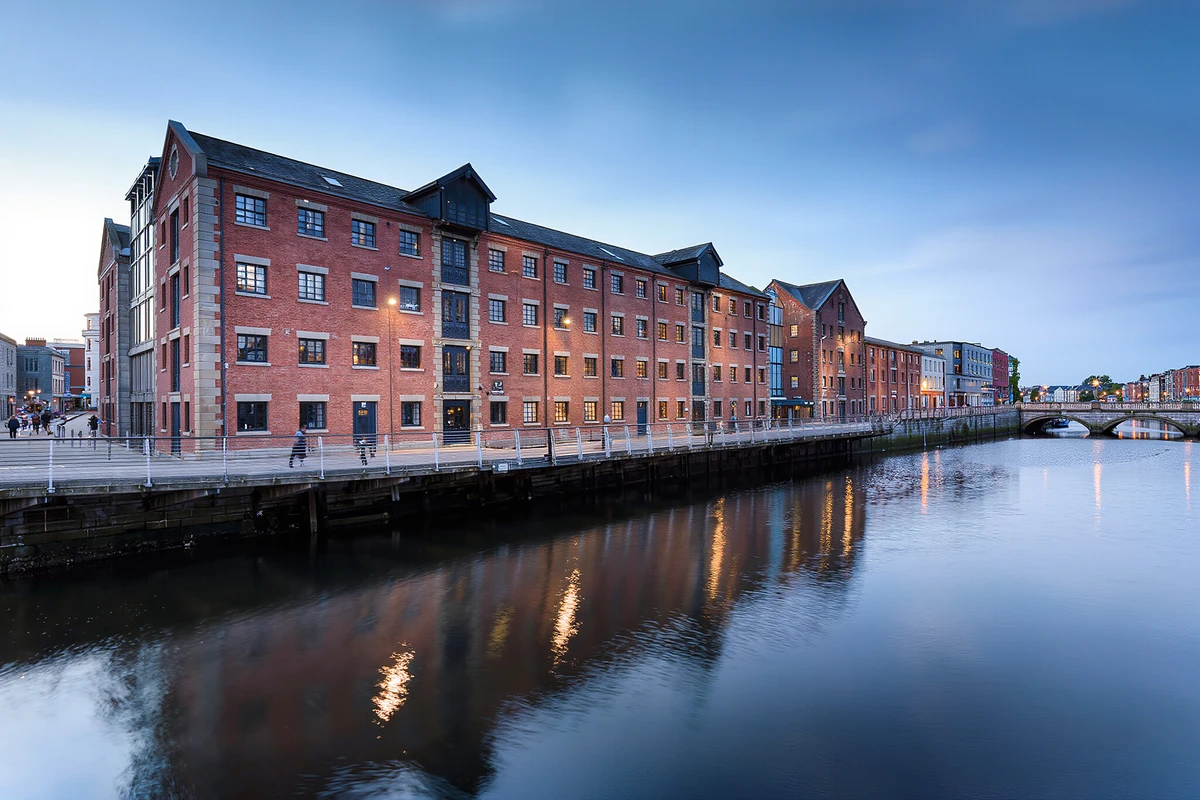
Dublin's modern face shines along the redeveloped docklands, where glass offices, contemporary theatres and waterside walkways surround Grand Canal Dock. Hotels are new and comfortable, the area is clean and safe, and riverside paths lead to the Famine Memorial sculptures and the city centre within minutes. A great base for business travellers and anyone who enjoys contemporary architecture.
Smithfield and Stoneybatter
North of the Liffey, these historic market quarters have become Dublin's most characterful neighbourhoods, with cobbled squares, independent cafés, bakeries and creative shops. Smithfield's wide cobbled square hosts markets, cultural spaces and seasonal events, while Phoenix Park, one of Europe's largest city parks, is a short walk away. Lively, local and well connected by tram.
How long to stay in Dublin and how to pair it
Recommended stay
Three to four nights is ideal for Dublin. Two days cover Trinity College, the cathedrals, Georgian squares and Kilmainham Gaol, while a third and fourth allow day trips to Glendalough, the Boyne Valley or the Cliffs of Moher. Add a fifth night to enjoy Howth and the coast at a gentler pace.
How to pair it
Dublin is the natural start of any Irish loop. On a 7-day trip, combine four days in Dublin with three in Galway, linked by a scenic train ride. For 10 days, continue south to Killarney and the Ring of Kerry before returning to Dublin by train. With 14 days, add Cork and Kinsale, or fly on to London or Edinburgh. We issue the train, flight and ferry tickets that connect every stage.
Best time to visit Dublin and the rhythm of the day
Best months
The best time to visit Dublin is May to September, when days are long, parks are green and the city's festivals fill the streets. June to August is busiest, so book central hotels and Book of Kells tickets early. Spring and autumn bring quieter sights and mild weather, while December sparkles with Christmas lights, and March brings the famous Saint Patrick's Day festival.
The daily rhythm
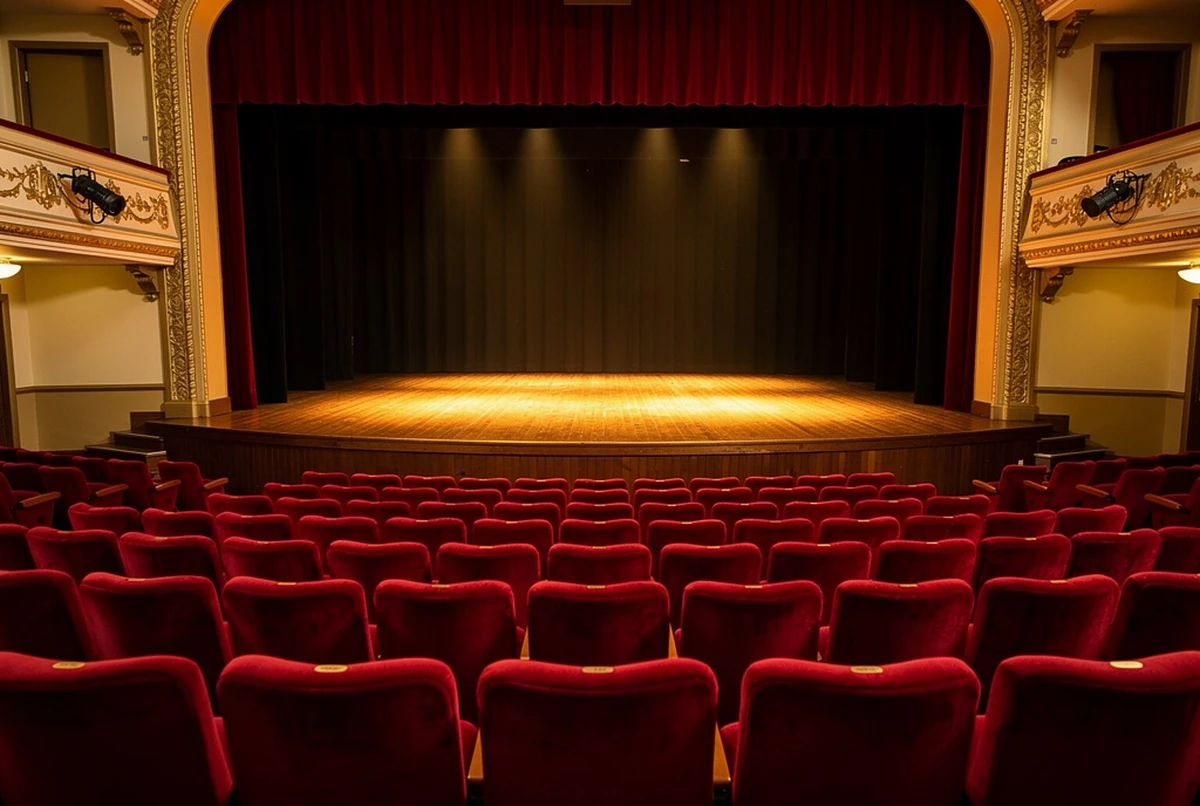
Dublin starts at a gentle pace, with breakfast around eight and museums opening at ten. Lunch is relaxed and often hearty: soup, a sandwich or a warm stew. Afternoons are for walking the Georgian squares, shopping on Grafton Street or a coastal trip to Howth. Dinner runs from six to nine, and evenings bring theatre, traditional music shows and long riverside walks.
On-the-ground logistics in Dublin
Arrival
Dublin Airport lies about ten kilometres north of the city, and the drive to central hotels around Saint Stephen's Green usually takes between twenty-five and forty-five minutes, depending on traffic through the Port Tunnel or city roads. Our private transfer meets you in arrivals with a name sign and takes you directly to your hotel, avoiding taxi queues after a long flight.
Getting around
Central Dublin is compact and best explored on foot, with most major sights within a thirty-minute walk. The Luas tram links the centre with Smithfield and the south side, the DART coastal train runs to Howth and seaside towns, and buses cover the rest. Licensed taxis and ride-hailing apps are reliable, and our team can arrange a private car with driver for day trips.
Local etiquette tip
The custom visitors most often miss is the easy courtesy that runs through daily life. Dubliners greet shopkeepers, chat in queues and almost always thank the bus driver when stepping off. Answer friendly small talk warmly rather than briefly, accept a little gentle teasing with good humour, and remember that politeness here is relaxed and informal, never stiff.
Must-do things in Dublin
- See the Book of Kells inside the Old Library at Trinity College Dublin.
- Walk through Saint Stephen's Green and the painted Georgian doors of Merrion Square.
- Visit Kilmainham Gaol to understand Ireland's long journey to independence.
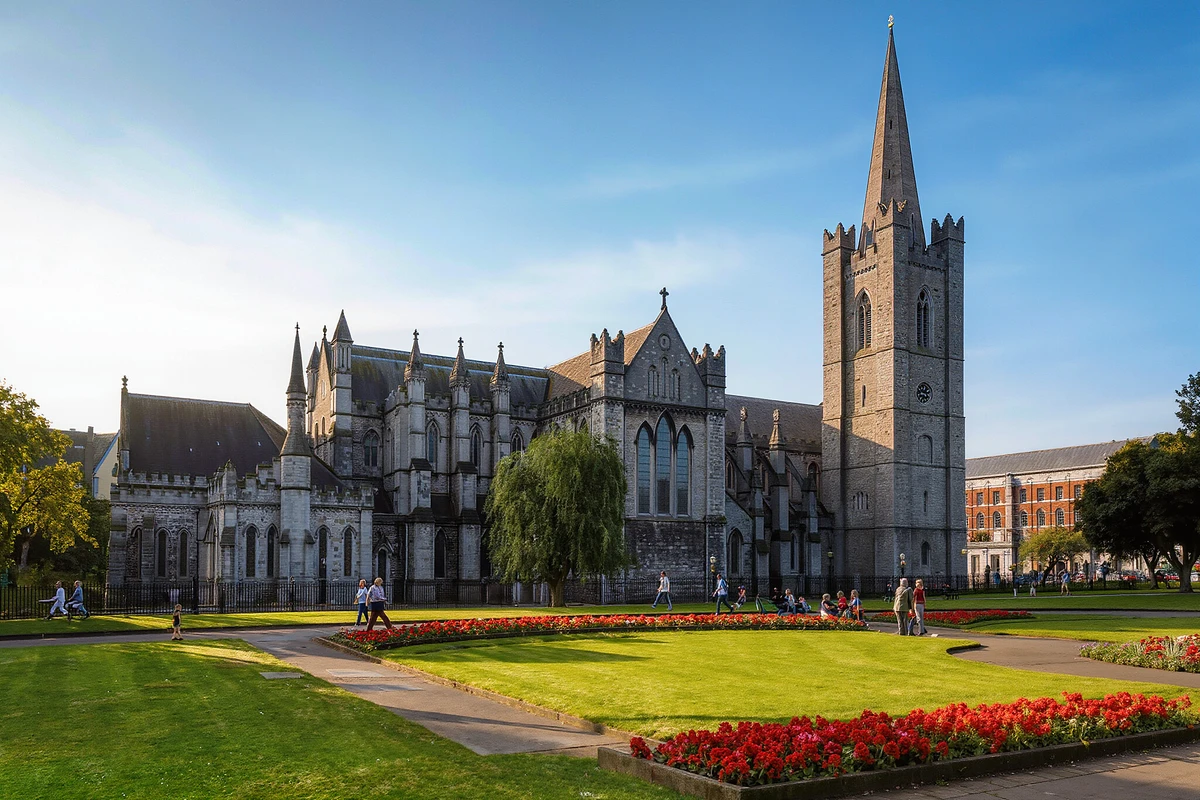
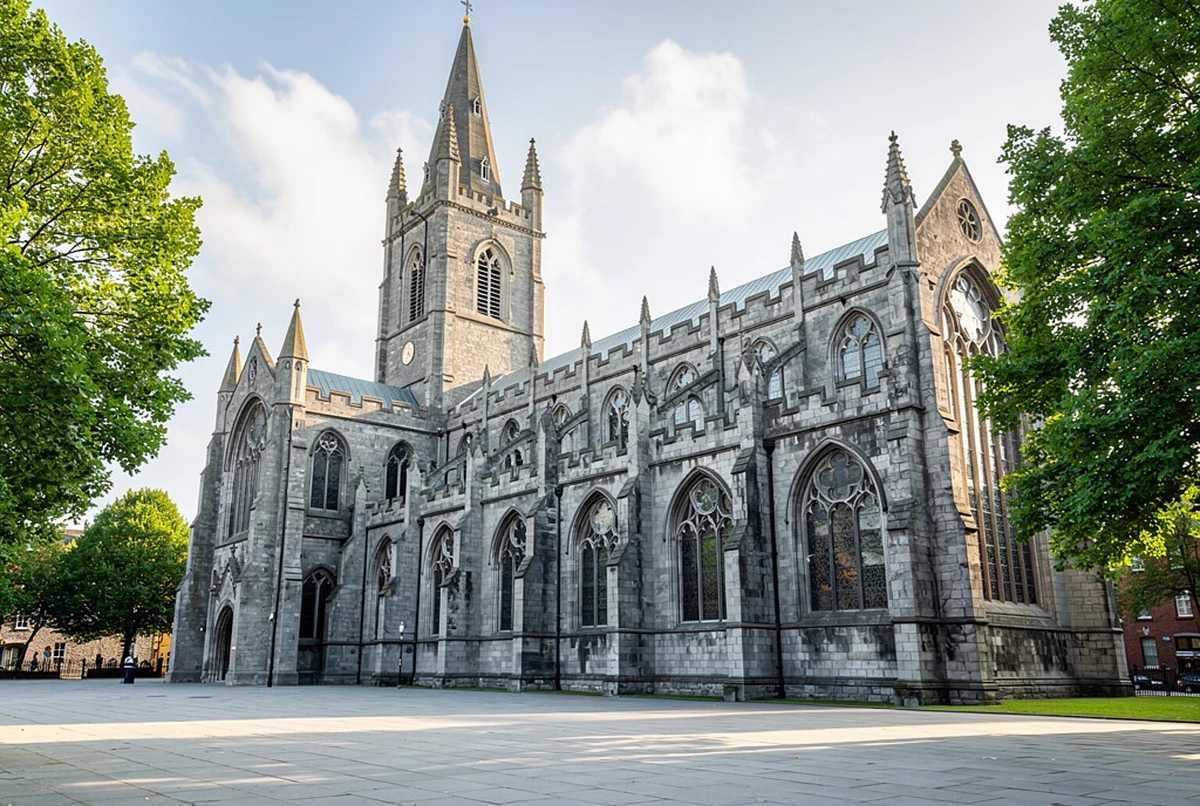
- Admire the medieval stonework of Christ Church Cathedral and Saint Patrick's Cathedral.
- See Celtic gold and ancient bog treasures at the National Museum of Archaeology.
- Take the DART coastal train to Howth for cliff walks and harbour seafood.
- Join a day tour to Glendalough's monastic site in the Wicklow Mountains.
- Explore Phoenix Park, home to wild fallow deer and the Irish president's residence.
- Enjoy a traditional Irish music and dance show on a Dublin evening.
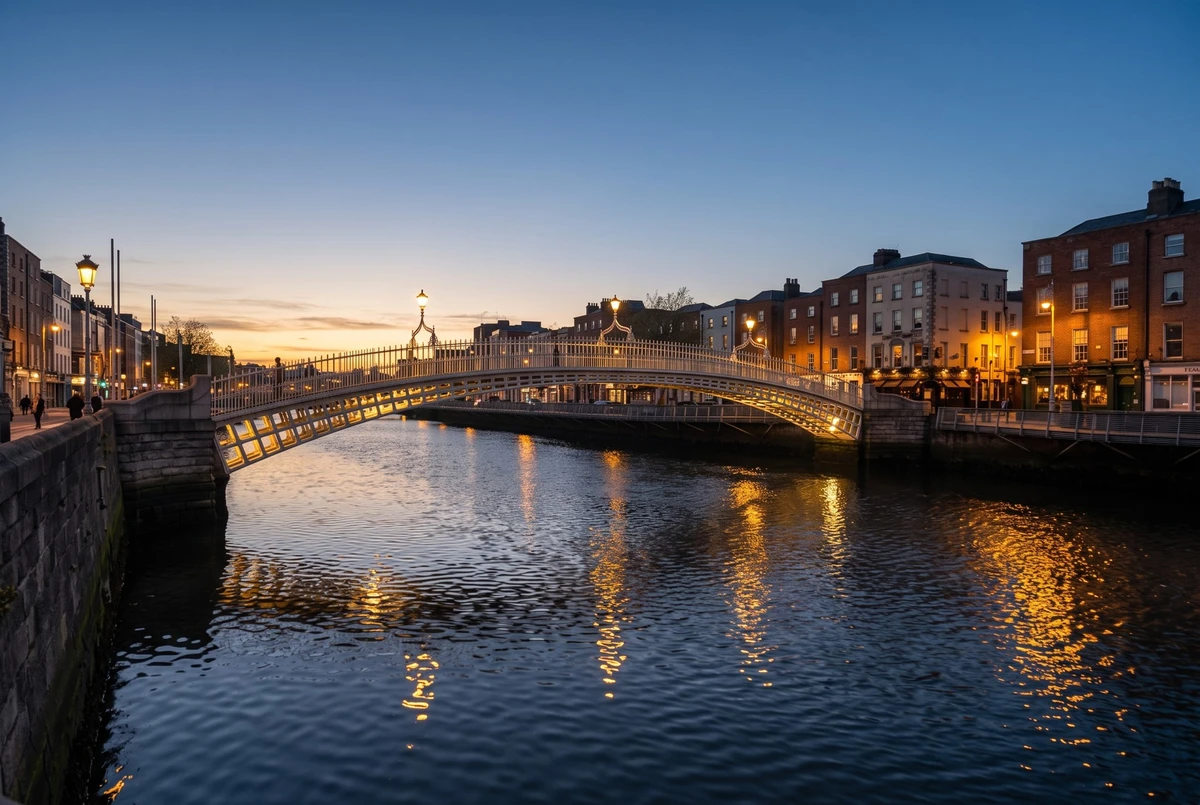
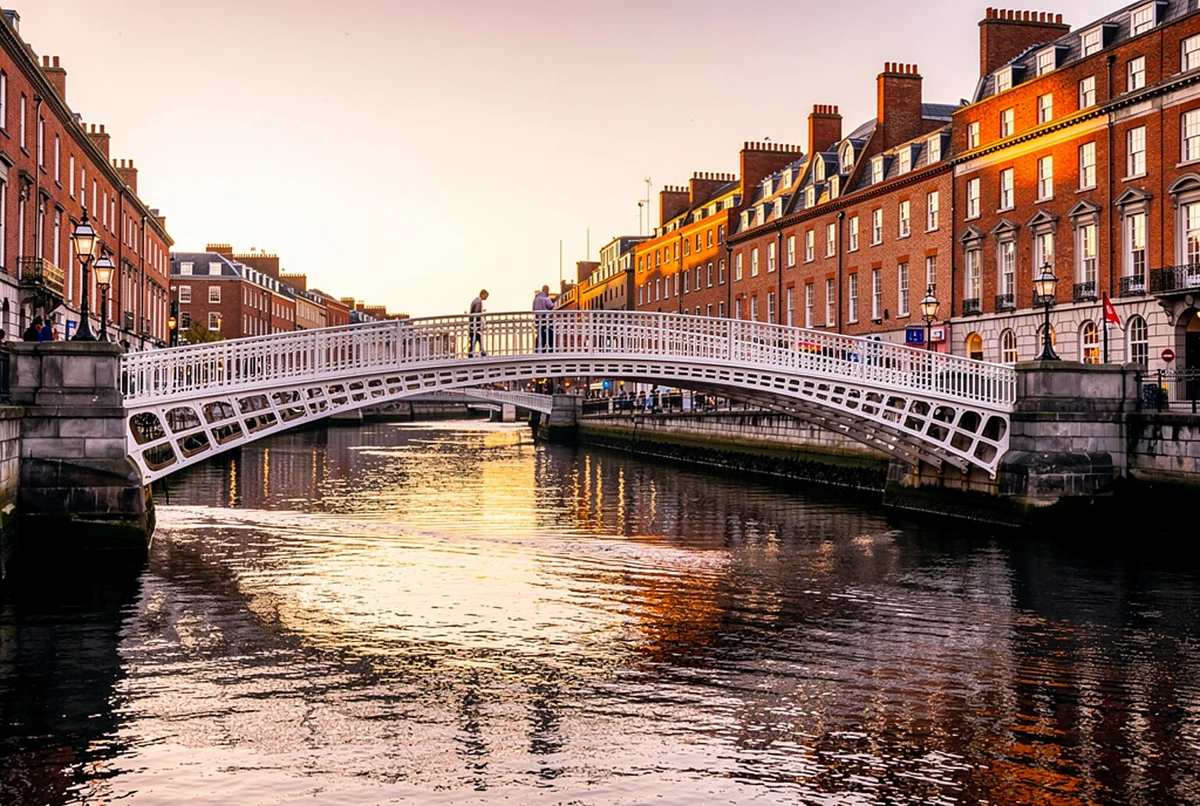
- Cross the Ha'penny Bridge over the Liffey at sunset for classic city views.
Do’s and don’ts in Dublin
Do
- Book Book of Kells tickets ahead for a set time.
- Carry an umbrella and a light waterproof jacket.
- Use contactless payment on buses, trams and taxis.
- Thank the bus driver as you step off.
- Wear comfortable shoes for cobbles and long walks.
Don’t
- Don't call Dublin or Ireland part of Britain.
- Don't leave bags unattended on busy streets or trams.
- Don't expect to see the Cliffs of Moher in a half day.
- Don't jaywalk at busy junctions; traffic comes from the right.
- Don't rush; Dublin rewards conversation and wandering.
Dublin at a glance
Plan Dublin with Haqqi Tours
Every option is confirmed by our team on WhatsApp before you pay, and delivered by our own people or by trusted local partners we work with in every city. Because we send travellers from all over the world, our partners give us special rates and priority, so you always receive the best. Prices are per person unless marked per vehicle.
About Haqqi Tours: About us Contact us Legal NoticePrivacy PolicyCookies & Marketing PreferencesTerms & ConditionsBooking, Payment & Refunds
More services in Dublin
Good to know
Frequently Asked Questions
Straight answers to what travellers ask most about Dublin.
Where should first-time visitors stay in Dublin?
The area around Saint Stephen's Green and Grafton Street is the best base for a first visit to Dublin, within walking distance of Trinity College, the museums and Georgian squares. Ballsbridge suits families seeking calm, and Grand Canal Dock offers modern hotels by the water. Our team can recommend well-located options.
Can Dublin be done as a day trip, or does it need an overnight stay?
Dublin deserves at least two or three nights. A single day can cover Trinity College and a walk through the Georgian quarter, but you would miss Kilmainham Gaol, the museums and the evening atmosphere. Staying longer also lets you join our day tours to Glendalough, the Boyne Valley or the Cliffs of Moher.
What is the dress code and etiquette in Dublin?
Dublin is relaxed and casual, and modest clothing is perfectly comfortable everywhere. Bring layers, a waterproof jacket and good walking shoes. Etiquette is warm and informal: greet people, chat in queues, thank the bus driver, dress respectfully and speak quietly in cathedrals, and never describe Ireland as part of Britain.
Is Dublin tourist friendly?
Very. Dublin is English-speaking, compact and famously welcoming, with clear signage and easy trams and buses. Dubliners are quick to help with directions, families are welcome at museums and parks, and halal restaurants and several mosques are found across the city. Our team is always a WhatsApp message away.
Is it safe to travel to Dublin now?
Dublin is generally safe for visitors, though, like any capital, it calls for normal care with valuables on busy streets and late at night. Before travelling, check your own government's official travel advice, follow local guidance and keep our WhatsApp line handy so our team can adjust plans quickly if needed.
What are the must-do things in Dublin?
The essentials in Dublin are the Book of Kells at Trinity College, Saint Stephen's Green and Merrion Square, Kilmainham Gaol, Christ Church and Saint Patrick's cathedrals and the National Museum of Archaeology. Add the DART train to Howth and a day tour to Glendalough in the Wicklow Mountains.
How many days do you need in Dublin?
Three to four days is ideal for Dublin. Two days cover the main sights, cathedrals, museums and Georgian quarter, while extra days allow day trips to Glendalough, Newgrange or the Cliffs of Moher. With a fifth day, enjoy the coastal villages of Howth and Dalkey at a relaxed pace.
What can I book in Dublin with Haqqi Tours?
Day tours, attraction tickets, private airport transfers, flight tickets, train tickets and ferry tickets, including Newgrange and Boyne Valley Day Tour with Entry Tickets from Dublin, Gravedigger Ghost Bus Tour Dublin and Tall Ship Irish Famine History Guided Tour Dublin. Each has its own page, and the WhatsApp desk combines any of them into one plan with one written price.
How do I get from the airport to my hotel in Dublin?
Dublin Airport (DUB) lies in Collinstown about 10 km north of the city centre, with Terminals 1 and 2 beside the M1 motorway, the Dublin Port Tunnel and the M50, roughly 30 minutes to the centre, 60 minutes to Wicklow and 1 hour 45 to Belfast. Our private transfer meets you at arrivals with a name board, tracks your flight and takes you door to door at a fixed price for the whole vehicle; the transfer pages list every route.
Is there public transport from the airport to Dublin?
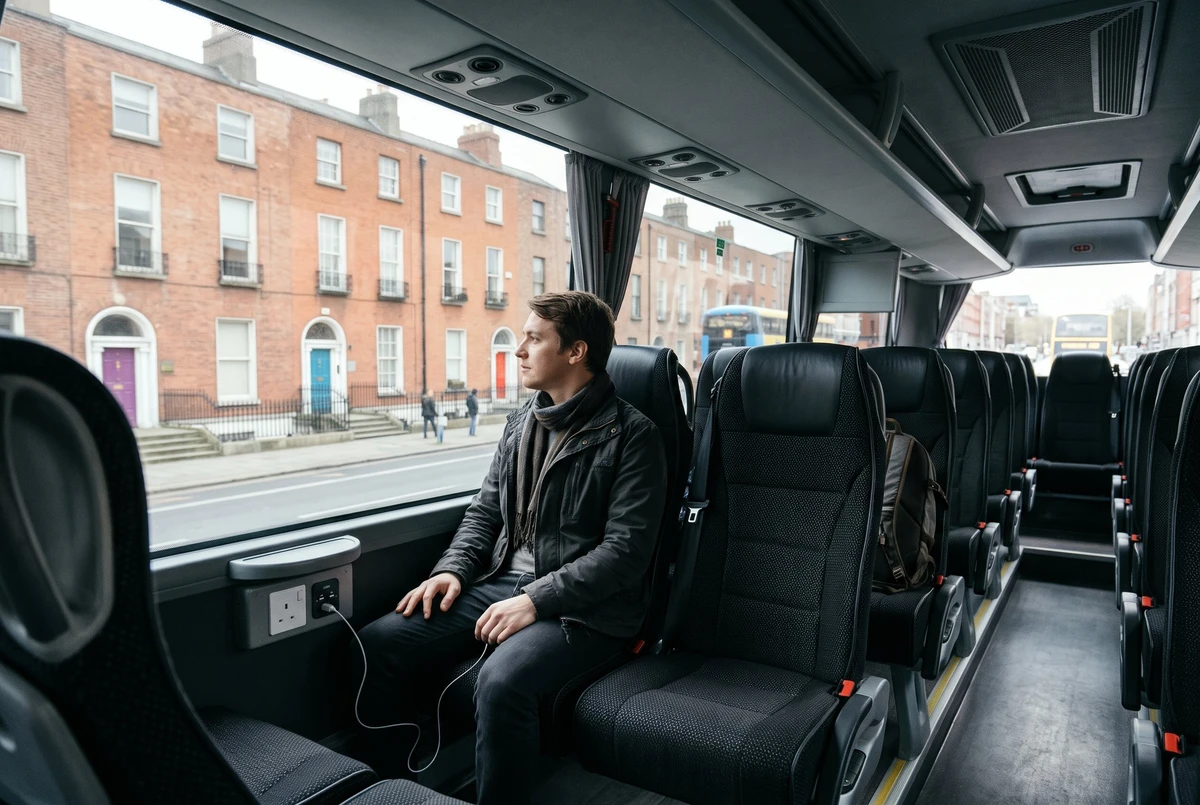
Frequent express coaches and city buses reach the centre in about 30 to 45 minutes and suit a city-centre hotel with light luggage; there is no rail link at the airport, so a private car is simpler for families, big bags, late arrivals and destinations such as Howth, Malahide, Wicklow or Belfast. With luggage, a family or a late flight, the private car is the simpler choice.
Which tours are available in Dublin?
Among them: Newgrange and Boyne Valley Day Tour with Entry Tickets from Dublin, Gravedigger Ghost Bus Tour Dublin, Tall Ship Irish Famine History Guided Tour Dublin, Ireland's Eye Island Ferry with Free Time from Howth Dublin and Glendalough, Powerscourt Waterfall and Sheepdog Show Tour from Dublin. Each page says whether the day is private or small-group, what it includes and how long it lasts.
Are the tours private or in a group?
Both exist, and each tour page says which. A private tour has a vehicle and guide for your party alone; the desk can make most group tours private on request.
How do I book?
Fill in the form on any page or message us on WhatsApp with the date, the number of travellers and the hotel. A member of our team confirms the price and the details in writing within minutes.
Are the prices fixed?
Yes - every price is agreed in writing on WhatsApp before you travel and does not change on the day.
Do the drivers and guides speak Arabic or English?
It depends on the city and the day, so we do not promise a particular language; tell us your preference and we do our best. The WhatsApp desk always works in Arabic and English.
Can I change or cancel a booking in Dublin?
Yes, in the same WhatsApp conversation. The terms depend on the product and on how close to the date the change comes; the desk states them before you pay.