

Chefchaouen
Plan Chefchaouen with Haqqi Tours: day tours, private airport transfers, attraction tickets and packages, run by our own team and confirmed on WhatsApp in Arabic or English.
Step out of your riad in Chefchaouen at first light and the lane in front of you is washed in blue: powder blue on the walls, cobalt on the doors, sky blue on the steps that climb toward the Rif mountains. A baker passes with warm rounds of bread on a wooden board, a cat sleeps on a whitewashed sill, and the call to prayer drifts down from the eight-sided minaret of the Grand Mosque.
Nothing matches those filters yet. Widen your search or message us on WhatsApp.
Chefchaouen at first sight
Chefchaouen was founded in 1471 as a small fortress guarding the northern passes, then grew as Andalusian refugees brought their arches, tiles and the custom of painting lime wash with a trace of indigo. Today it is the quiet counterweight to Morocco’s imperial cities, a mountain town where footsteps set the pace, the air smells of woodsmoke and mint, and mornings are slow.
Why include Chefchaouen in your itinerary?
- The blue medina is real, compact and walkable: a maze of lanes, fountains and stairways where every turn frames a photograph, yet the town stays calm, residential and unhurried from the first coffee to the last lantern of the evening.
- The Rif mountains rise directly behind the old town. Within a short drive you reach cedar forest, river pools and the waterfalls of Akchour, so a stay here adds cool mountain air to a Morocco route otherwise built on deserts, coasts and imperial cities.
- Chefchaouen has a distinct Andalusian and northern character, with its own dialect, goat cheese, honey and weaving traditions. It feels unlike Marrakech, Fes or the Atlantic coast, and that difference is exactly why travellers return to it.
Signature experiences in Chefchaouen
Plaza Uta el-Hammam and the Red Kasbah
The heart of Chefchaouen is Plaza Uta el-Hammam, where the russet-walled kasbah, its quiet garden and the Grand Mosque’s octagonal minaret face a ring of café terraces. Climb the kasbah tower for the view across blue rooftops to the Rif. Come early or at dusk, when the plaza is at its best. Our team arranges the private transfer that delivers you to the medina gate, with porters ready for your luggage.
Mint Tea, Goat Cheese and the Taste of the Rif
Sit on a plaza terrace with Moroccan mint tea, then follow it with fresh Chefchaouen goat cheese, olive oil, local honey and bissara, the warming fava-bean soup of northern mornings. Look for weavers selling striped wool blankets and hand-loomed scarves. Our team can arrange a private car with driver so you can enjoy a full day here and continue to Fes or Tangier at your own pace.
Ras el-Maa and the Lanes Above the Spring
At the eastern edge of the medina, the Ras el-Maa spring tumbles through stone channels where townspeople have washed wool for generations. Explore on foot the lanes above it, past old laundry basins and shuttered Andalusian houses, then climb to the Spanish Mosque viewpoint for sunset. The streets are steep, shaded and best taken slowly, so allow a full unhurried afternoon.
Akchour Waterfalls and God’s Bridge
About forty minutes by road, the Akchour gorge offers green river pools, stepped waterfalls and the natural rock arch known as God’s Bridge. The forest trail rewards an early start. A private car with driver arranged by our team takes you to the trailhead and waits for your return, which is far easier than juggling shared taxis on mountain roads.
Neighbourhoods and quarters to know in Chefchaouen
Plaza Uta el-Hammam and the Kasbah
The social centre of town, with café terraces, the kasbah garden and the Grand Mosque all within a few steps. It is lively in the evening yet gentle and safe, and a guesthouse here puts every sight on your doorstep. Light sleepers should ask for a room on an upper floor or a side lane.
Souika, the Andalusian Quarter
North of the plaza, Souika is where the blue deepens and the lanes narrow into quiet, residential stairways. Families live behind the carved doors, and small family-run guesthouses offer rooftop terraces with mountain views. It is peaceful, very safe and ideal for travellers who want the medina after the day-visitors leave.
Ras el-Maa and the Spring
On the eastern edge of the old town, the spring area combines running water, shaded cafés and the start of the walk to the hills. It is cooler in summer and the favoured place for a slow lunch. Guesthouses here are small, quiet and close to the hiking paths. It is a favourite for a slow breakfast.
The New Town (Ville Nouvelle)
Below the medina, the modern quarter has larger hotels, parking, pharmacies and everyday shops, with easy access for cars and luggage. It lacks the blue magic but suits families with limited mobility or anyone arriving late. The medina gate is a short, easy stroll or taxi ride away. Many travellers use it only for parking.
How long to stay in Chefchaouen and how to pair it
Recommended stay
Two nights is the sweet spot for Chefchaouen. It gives you one slow day in the medina, with sunrise and sunset on the hill, and one day for the Akchour waterfalls or a mountain village drive. One night works as a stopover between Tangier and Fes, while three nights suit hikers, photographers and anyone seeking a genuine rest.
How to pair it
Chefchaouen sits naturally between Tangier and Fes. In seven days, fly into Tangier, spend two nights here, continue to Fes and finish in Marrakech. In ten days add Meknes and Rabat, with Casablanca as a departure point. In fourteen days extend south through Ouarzazate to Merzouga for the desert, then return to Marrakech and Essaouira. Our team links each leg with private transfers.
Best time to visit Chefchaouen and the rhythm of the day
Best months
Spring, from April to June, is the finest season, when the hills are green, the air is mild and the blue walls glow against wildflowers. September to November is equally pleasant and calmer. July and August are warm by day but cool by evening, and busier. Winter brings rain, mist and cold nights, yet also empty lanes and cosy fires.
The daily rhythm
Chefchaouen rewards early risers. Before nine the lanes are almost empty, shopkeepers hose down the steps and the light is soft and pale. By mid-morning day-visitors arrive; retreat to a rooftop for tagine and mint tea. Afternoons slow down, then the hill above town fills with people watching the sunset, and the plaza comes alive for a long evening.
On-the-ground logistics in Chefchaouen
Arrival
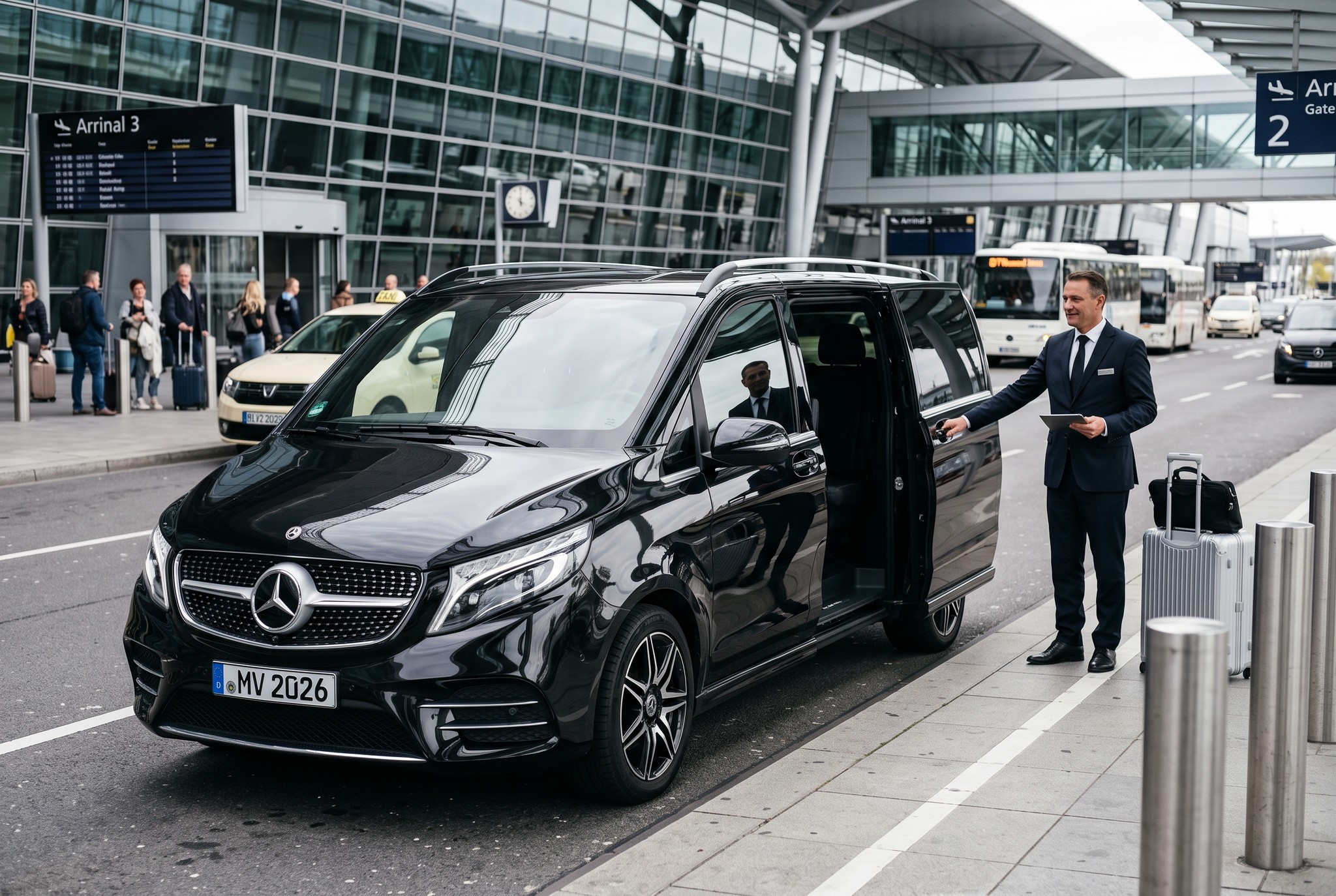
Chefchaouen has no airport or railway station of its own. Most travellers fly into Tangier, about two hours away by road, or into Fes, roughly four hours away. We issue flight tickets and arrange private airport transfers directly to the medina gate, where porters meet you and help carry luggage up the stairs to your guesthouse.
Getting around
The medina is entirely on foot, with steep cobbled lanes and many steps, so pack light and wear flat shoes with grip. Licensed taxis operate in the new town and to nearby villages, while ride-hailing apps are patchy in the mountains. For Akchour or onward travel to Tangier and Fes, a private car with driver arranged by our team is the easiest choice.
Local etiquette tip
Residents live behind the famous blue doors, so treat the lanes as a neighbourhood, not a film set. Always ask before photographing people, especially women and elders, and do not step into doorways or private stairwells for a better shot. Dress modestly, keep voices low in the residential lanes, and politely decline unsolicited offers of guiding or products.
Must-do things in Chefchaouen
- Watch sunrise turn the medina blue before the day-visitors arrive.
- Drink mint tea on Plaza Uta el-Hammam facing the red kasbah.
- Climb the kasbah tower for a view across the blue rooftops.
- Taste fresh Chefchaouen goat cheese, local honey and bissara soup.
- Follow the Ras el-Maa spring through the old washing channels.
- Climb to the Spanish Mosque viewpoint for golden-hour sunset.
- Browse hand-loomed wool blankets and scarves in the weavers’ shops.
- Spend a morning at the Akchour waterfalls and God’s Bridge.
- Sleep in a small guesthouse with a rooftop terrace and mountain view.
- Wander Souika’s quiet stairways in the evening, once the lanes empty.
Do’s and don’ts in Chefchaouen
Do
- Ask permission before photographing residents, shopkeepers or children.
- Wear flat, grippy shoes for the steep cobbled stairways.
- Arrive early in the morning or stay for the evening calm.
- Dress modestly, with shoulders and knees covered in the old town.
- Agree the price of a taxi or private driver before setting off.
Don’t
- Do not treat private doors and stairways as photo sets.
- Do not drive a large car into the medina; park at the gate.
- Do not accept unsolicited guides or products from street touts.
- Do not hike to Akchour late in the day without checking the light.
- Do not skip a rain jacket in spring or autumn.
Chefchaouen at a glance
Plan Chefchaouen with Haqqi Tours
Every option is confirmed by our team on WhatsApp before you pay, and delivered by our own people or by trusted local partners we work with in every city. Because we send travellers from all over the world, our partners give us special rates and priority, so you always receive the best. Prices are per person unless marked per vehicle.
More services in Chefchaouen
Where we operate in Morocco
Good to know
Frequently Asked Questions
Straight answers to what travellers ask most about Chefchaouen.
Where should first-time visitors stay in Chefchaouen?
Stay inside the medina, ideally near Plaza Uta el-Hammam or in Souika. A small guesthouse with a rooftop terrace puts every sight within a few steps and lets you see the blue lanes at dawn and dusk. If you have limited mobility, the new town offers easier access for cars and luggage.
Can Chefchaouen be done as a day trip, or does it need an overnight stay?
It can be reached in a long day from Tangier, but the best moments, early light, quiet lanes and the sunset hill, belong to those who stay overnight. We recommend at least one night. Our team arranges private transfers and flight tickets so the journey into the Rif is smooth and unhurried.
What is the dress code and etiquette in Chefchaouen?
Chefchaouen is relaxed but conservative. Cover shoulders and knees in the old town, and carry a light scarf or jacket for the mountain evenings. Ask before photographing people, keep voices low in the residential lanes, and respect doorways and private stairs as the homes that they are.
Is Chefchaouen tourist friendly?
Yes. Chefchaouen is one of Morocco’s most welcoming small towns, with guesthouses used to visitors, English-, Spanish- and French-speaking shopkeepers and a gentle atmosphere. Expect friendly offers of tea and guiding. Politely decline what you do not need, and our team can arrange everything else from airport pick-up to onward travel.
Is it safe to travel to Chefchaouen now?
Chefchaouen is generally regarded as calm and safe, with a relaxed pace and a strong tourism tradition. As with any destination, check your own government’s official travel advice before departure, take normal precautions with valuables, and keep our WhatsApp line handy for help with transfers and plans.
What are the must-do things in Chefchaouen?
Wander the blue medina at sunrise, take mint tea on Plaza Uta el-Hammam, climb the kasbah tower and walk up to the Spanish Mosque for sunset. Add a morning at the Akchour waterfalls and God’s Bridge, and taste the local goat cheese and honey. Our team arranges the transfers around them.
How many days do you need in Chefchaouen?
Two nights is ideal. That gives one full day in the medina and one for the Akchour waterfalls or a mountain village drive. One night works as a stopover on the Tangier to Fes route, and three nights suit hikers or photographers who want to move slowly. We can tailor it.
What can I book in Chefchaouen with Haqqi Tours?
Private airport transfers and flight tickets. Each has its own page, and the WhatsApp desk combines any of them into one plan with one written price.
How do I get from the airport to my hotel in Chefchaouen?
With a private transfer: a driver at arrivals, flight tracking and a fixed price for the whole vehicle, door to door. Tell the desk the flight number and the hotel.
Is there public transport from the airport to Chefchaouen?
There is no airport or railway station; coaches run to Tetouan, Tangier and Fes, but they are slow and the schedules are limited; a private car from Tangier Airport takes about two hours and thirty minutes and is the simplest way to arrive, and cars stop at the edge of the medina. With luggage, a family or a late flight, the private car is the simpler choice.
Which tours are available in Chefchaouen?
Tours in Chefchaouen are arranged on request by the desk - tell us what you want to see and how many days you have.
Are the tours private or in a group?
Both exist, and each tour page says which. A private tour has a vehicle and guide for your party alone; the desk can make most group tours private on request.
How do I book?
Fill in the form on any page or message us on WhatsApp with the date, the number of travellers and the hotel. A member of our team confirms the price and the details in writing within minutes.
Are the prices fixed?
Yes - every price is agreed in writing on WhatsApp before you travel and does not change on the day.
Do the drivers and guides speak Arabic or English?
It depends on the city and the day, so we do not promise a particular language; tell us your preference and we do our best. The WhatsApp desk always works in Arabic and English.
Can I change or cancel a booking in Chefchaouen?
Yes, in the same WhatsApp conversation. The terms depend on the product and on how close to the date the change comes; the desk states them before you pay.