

Pokhara
Plan Pokhara with Haqqi Tours: day tours, private airport transfers, attraction tickets and packages, run by our own team and confirmed on WhatsApp in Arabic or English.
Before dawn on Sarangkot hill above Pokhara, a small crowd waits in the cold darkness, wrapped in shawls and holding cups of sweet milk tea. Then the first light touches the summit of Machhapuchhre, the sacred Fishtail mountain, turning it pink, then gold, and one by one the great white peaks of the Annapurna range catch fire along the horizon. Far below, Phewa Lake lies still and silver, and the city slowly wakes beneath a blanket of mist.
Nothing matches those filters yet. Widen your search or message us on WhatsApp.
Pokhara Day Tours
View all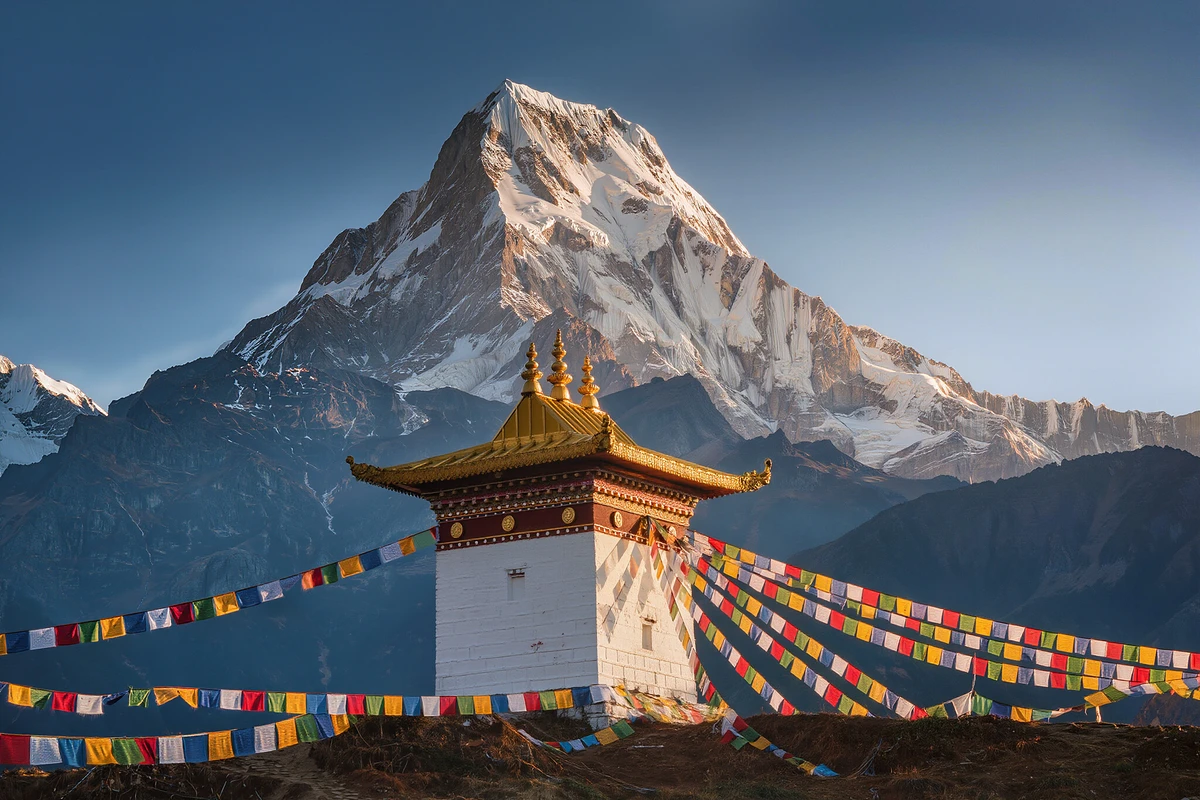
Pokhara at first sight
Pokhara lies in central Nepal, in a green valley at the foot of the Annapurna Himalaya, where the mountains rise from subtropical lowlands to over eight thousand metres in a short distance. Once a stop for traders on the salt route to Tibet, it has become Nepal's favourite lakeside town and the starting point for treks into the Annapurna region. With its calm lake, temples, caves and views, it is the most relaxing place in the country.
Why include Pokhara in your itinerary?
- Himalayan views like nowhere else. From Sarangkot and the hills around Pokhara, the Annapurna range and the perfect pyramid of Machhapuchhre rise above the valley, and sunrise over the snow peaks is one of the great sights of Asia.
- A peaceful lake at the foot of the mountains. Phewa Lake, with its island temple, painted wooden boats and lakeside promenade, gives Pokhara a calm, unhurried atmosphere, perfect after the bustle of Kathmandu.
- The gateway to the Annapurnas. Short hikes to hilltop villages, gentle treks with mountain views and the classic routes to Poon Hill and Annapurna Base Camp all begin from Pokhara, along with paragliding over the lake.
Signature experiences in Pokhara
Sunrise at Sarangkot
The short drive up to Sarangkot leaves Pokhara in the dark, about thirty to forty minutes before sunrise, followed by a brief walk to the viewpoint at around sixteen hundred metres. As the sky lightens, the peaks of Dhaulagiri, Annapurna and Machhapuchhre appear one after another, glowing pink and gold above the clouds, with Phewa Lake shining far below. Bring warm layers, as mornings are cold, and our team on WhatsApp helps you choose the clearest days.
Phewa Lake and the Tal Barahi Temple
Colourful wooden boats can be hired along the shore of Phewa Lake to row across the calm water to the small island temple of Tal Barahi, a two-tiered pagoda dedicated to a protective form of the goddess Durga. On Saturdays, families come to pray and make offerings. On a clear day, the reflection of Machhapuchhre in the lake is unforgettable, especially in the early morning and late afternoon.
The World Peace Pagoda
On a forested ridge on the southern shore of Phewa Lake, the brilliant white World Peace Pagoda looks out over the lake, the city and the whole Annapurna range. Reach it by boat across the lake and a steep forest trail of about forty-five minutes, or by road. Walk clockwise around the stupa, admire the golden Buddha statues in its niches and enjoy one of the finest panoramas in Pokhara.
Waterfalls, Caves and the Seti Gorge
South of the lake, the stream from Phewa plunges into a deep hole at Patale Chhango waterfall, disappearing underground. Across the road, steps lead down into Gupteshwor Mahadev Cave, a sacred Hindu shrine where you can see the falls from below. In the city, the milky Seti River has cut a gorge so narrow and deep that in places you can hardly see the water, best viewed from the bridges.
Paragliding, Hikes and Nepali Food
Pokhara is one of the world's favourite places for tandem paragliding, launching from Sarangkot and soaring over the lake with the Himalaya beside you. Short hikes lead to Australian Camp and the village of Dhampus for close mountain views, and the International Mountain Museum tells the story of the Himalaya. Try dal bhat, the Nepali rice and lentil meal, momo dumplings and a Thakali set from the Annapurna region.
Neighbourhoods and quarters to know in Pokhara
Lakeside
The neighbourhood of Lakeside, along the eastern shore of Phewa Lake, is the heart of tourist Pokhara, with hotels of every level, restaurants, cafés, gear shops and boat landings along a pleasant promenade. It is the most convenient base for first-time visitors, with the lake, the boats and the Sarangkot road all close at hand.
Damside
South of Lakeside, near the dam at the end of the lake, Damside is quieter and more residential, with guesthouses and hotels enjoying open views of the lake and mountains. It is a calm choice for families and travellers who prefer peace, with the World Peace Pagoda and the waterfalls close by.
Sarangkot Ridge
Staying on Sarangkot hill means waking up directly in front of the Himalaya, with sunrise from your terrace and no early drive. Lodges and small hotels here are simpler, and evenings are cool and quiet, ideal for nature lovers and photographers who want the mountains all to themselves.
Begnas and Rupa Lakes
About half an hour east of the city, the quieter lakes of Begnas and Rupa are surrounded by rice terraces, fish farms and forested hills, with eco-resorts and village guesthouses. They offer a peaceful, rural side of Pokhara, perfect for slow days, boating and walks away from the busy lakeside.
How long to stay in Pokhara and how to pair it
Recommended stay
We recommend three to four nights in Pokhara. One morning for sunrise at Sarangkot, one day for Phewa Lake, the Tal Barahi temple and the World Peace Pagoda, one for the waterfalls, caves, the Seti gorge and the mountain museum, and a fourth for paragliding or a short hike to Australian Camp. Trekkers should add the days of their chosen route.
How to pair it
Pokhara pairs naturally with Kathmandu, about twenty-five minutes by plane, for its temples, palaces and the old royal cities of Patan and Bhaktapur. Chitwan National Park, with its rhinos and jungle, lies about five hours away by road, and the hill town of Bandipur about two hours. A week can combine Kathmandu, Bhaktapur, Pokhara and Chitwan, with private transfers arranged by our team.
Best time to visit Pokhara and the rhythm of the day
Best months
The best time to visit Pokhara is October and November, after the monsoon, when the air is clear and the mountains stand out sharply against blue skies. December to February is also clear and dry, with cold mornings. March and April bring warmer days and rhododendron blossoms, though haze can hide the peaks. The monsoon from June to September brings heavy rain and frequent clouds over the mountains.
The daily rhythm
Pokhara rises early for the mountains. Mornings are the best time for clear views, sunrise at Sarangkot and boat rides on the still lake. Middle of the day suits caves, museums, paragliding and a long lunch by the water, as clouds often gather around the peaks. In the late afternoon people stroll the lakeside promenade, and evenings are relaxed, with simple dinners and early nights before the next sunrise.
On-the-ground logistics in Pokhara
Arrival
Pokhara International Airport (PKR) lies on the eastern edge of the city, about twenty minutes from Lakeside, with frequent short flights from Kathmandu Airport (KTM), about twenty-five minutes in the air. By road, the journey from Kathmandu takes around six to eight hours through river valleys. Tourist buses arrive at the bus park near Lakeside. We arrange private transfers from the airport or bus station directly to your hotel.
Getting around
Lakeside and Damside are easy to explore on foot along the shore, and bicycles and boats are widely available. Taxis are easy to find for short trips, though roads can be busy and bumpy. For Sarangkot at dawn, the waterfalls and caves, Begnas Lake or the trailheads of short treks, a private car with driver arranged by our team is the most comfortable choice.
Local etiquette tip
Nepalis are warm, gentle and deeply respectful of their faiths. Greet people with namaste, palms together. Remove your shoes before entering temples and some houses, walk clockwise around stupas and prayer wheels, and use your right hand to give and receive. Some temples restrict entry to their inner shrines, so follow signs. Dress modestly, ask before photographing people, and tipping around ten percent is appreciated.
Must-do things in Pokhara
- Watch sunrise over the Annapurnas from Sarangkot
- Row a wooden boat across Phewa Lake
- Visit the island temple of Tal Barahi
- Climb to the World Peace Pagoda
- See the plunge of Patale Chhango waterfall
- Descend into Gupteshwor Mahadev Cave
- Look into the deep Seti River gorge
- Fly over the lake on a tandem paraglider
- Hike to Australian Camp for mountain views
- Taste dal bhat, momos and a Thakali set
Do’s and don’ts in Pokhara
Do
- Do bring warm layers for the dawn viewpoint
- Do check the weather for clear mountain days
- Do walk clockwise around stupas
- Do carry Nepali rupees in small notes
- Do drink bottled or filtered water
Don’t
- Don't point your feet at people or shrines
- Don't touch anyone's head
- Don't photograph people without asking
- Don't trek alone without a guide or permit
- Don't wear revealing clothes at temples
Pokhara at a glance
Plan Pokhara with Haqqi Tours
Every option is confirmed by our team on WhatsApp before you pay, and delivered by our own people or by trusted local partners we work with in every city. Because we send travellers from all over the world, our partners give us special rates and priority, so you always receive the best. Prices are per person unless marked per vehicle.
About Haqqi Tours: About us Contact us Legal NoticePrivacy PolicyCookies & Marketing PreferencesTerms & ConditionsBooking, Payment & Refunds
More services in Pokhara
Where we operate in Nepal
Good to know
Frequently Asked Questions
Straight answers to what travellers ask most about Pokhara.
Where should I stay in Pokhara?
Most visitors stay in Lakeside, close to Phewa Lake, restaurants, shops and boat landings, with the Sarangkot road nearby. Damside is quieter with lovely lake views, Sarangkot ridge offers sunrise from your terrace, and Begnas Lake suits those seeking rural peace. Our team suggests the best area for your plans and arranges your private transfer from the airport.
Is the Sarangkot sunrise tour worth it?
Yes. Watching the first light spread across the Annapurna range and Machhapuchhre from Sarangkot is the highlight of a visit to Pokhara. The early start is rewarded with an unforgettable view, best between October and February when skies are clearest. We arrange early-morning private transfers to the viewpoint and back to your hotel in time for breakfast.
What is the dress code and etiquette in Pokhara?
Dress is casual and practical, with warm layers for cold mornings and evenings and comfortable shoes for hills and steps. Cover shoulders and knees at temples, remove shoes before entering, and walk clockwise around stupas. Greet people with namaste, avoid public displays of affection and ask before taking photos of people or ceremonies.
Is Pokhara suitable for families and Muslim travellers?
Yes. Pokhara is calm and friendly, with boat rides, easy viewpoints, caves and short walks that families enjoy. Pokhara has a long-established Muslim community with mosques in the city, and some restaurants in Lakeside offer halal dishes, while vegetarian Nepali food such as dal bhat and vegetable curries is available everywhere. Our team can advise on suitable restaurants.
Is it safe to travel to Pokhara now?
Pokhara and Nepal are generally considered safe and welcoming for travellers. Take normal care with belongings, choose licensed operators for paragliding and trekking, and be careful on hill roads during the monsoon. Check your own government's official travel advice before departure, and keep our WhatsApp line handy throughout your stay.
What are the must-do things in Pokhara?
The must-do things in Pokhara include sunrise over the Annapurnas from Sarangkot, a boat to the Tal Barahi temple on Phewa Lake, the World Peace Pagoda, Patale Chhango waterfall and Gupteshwor Mahadev Cave, the Seti gorge, tandem paragliding and a short hike to Australian Camp. Our private tours combine these in the best order and timing.
How many days do you need in Pokhara?
Three to four days is ideal for Pokhara: one morning for Sarangkot, one day for the lake, the island temple and the pagoda, one for the waterfalls, caves and museum, and one for paragliding or a short hike. Two days cover the highlights at a quicker pace, while trekkers should add several days for routes such as Poon Hill.
What can I book in Pokhara with Haqqi Tours?
Day tours, including Sarangkot Sunrise Himalayan View Tour from Pokhara. Each has its own page, and the WhatsApp desk combines any of them into one plan with one written price.
How do I get from the airport to my hotel in Pokhara?
With a private transfer: a driver at arrivals, flight tracking and a fixed price for the whole vehicle, door to door. Tell the desk the flight number and the hotel.
Is there public transport from the airport to Pokhara?
Public options vary by airport and end at a station rather than your hotel; the private transfer starts at the arrivals door and ends at your door.
Which tours are available in Pokhara?
Among them: Sarangkot Sunrise Himalayan View Tour from Pokhara. Each page says whether the day is private or small-group, what it includes and how long it lasts.
Are the tours private or in a group?
Both exist, and each tour page says which. A private tour has a vehicle and guide for your party alone; the desk can make most group tours private on request.
How do I book?
Fill in the form on any page or message us on WhatsApp with the date, the number of travellers and the hotel. A member of our team confirms the price and the details in writing within minutes.
Are the prices fixed?
Yes - every price is agreed in writing on WhatsApp before you travel and does not change on the day.
Do the drivers and guides speak Arabic or English?
It depends on the city and the day, so we do not promise a particular language; tell us your preference and we do our best. The WhatsApp desk always works in Arabic and English.
Can I change or cancel a booking in Pokhara?
Yes, in the same WhatsApp conversation. The terms depend on the product and on how close to the date the change comes; the desk states them before you pay.