

Fujairah
Plan Fujairah with Haqqi Tours: day tours, private airport transfers, attraction tickets and packages, run by our own team and confirmed on WhatsApp in Arabic or English.
Early morning on the east coast, the sun rises straight out of the sea in front of Fujairah, lighting the bare peaks of the Hajar Mountains behind the town in shades of copper and rose. Fishermen haul small boats onto the sand at Al Faseel, cargo ships rest at anchor on the horizon, and the white towers of the corniche mosques glow above the palm-lined shore. A few kilometres north, the first dive boats are already heading out over water so clear that you can see the rocks below.
Nothing matches those filters yet. Widen your search or message us on WhatsApp.
Fujairah Day Tours
View all
Fujairah at first sight
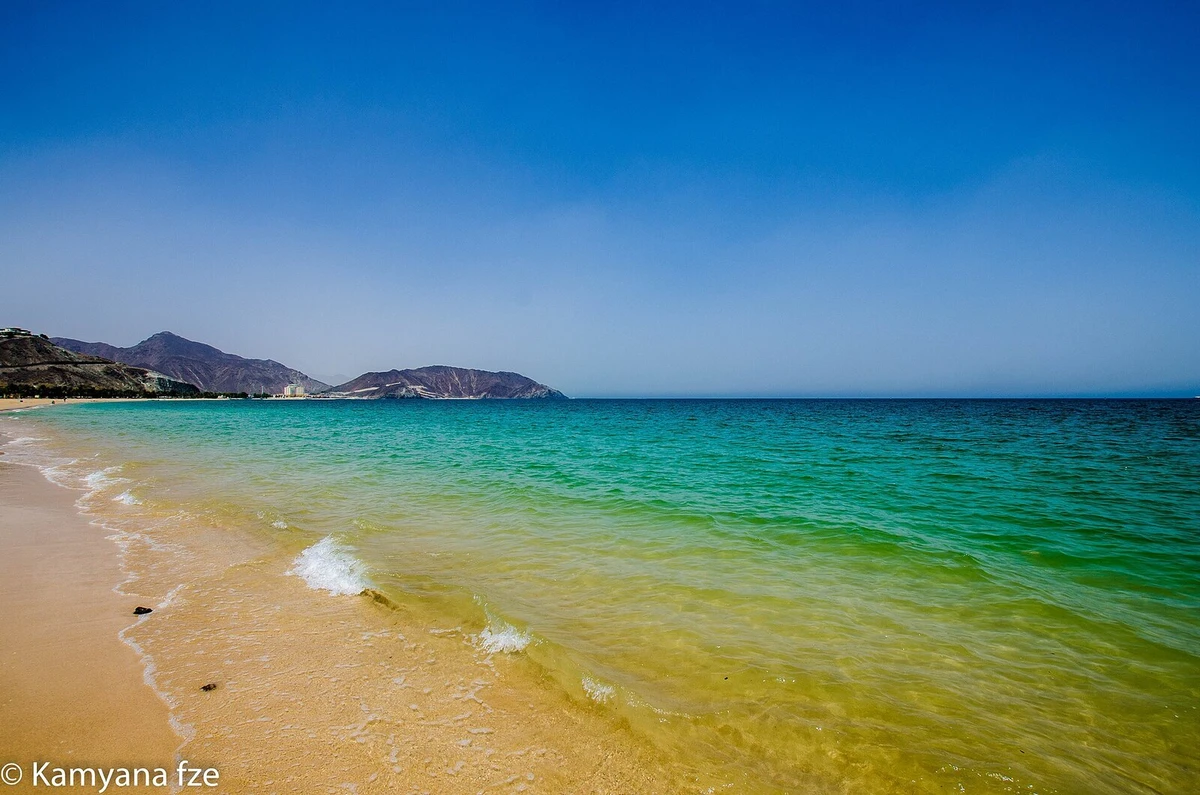
Fujairah is the emirate of the United Arab Emirates that lies almost entirely on the east coast, facing the open sea towards the Indian Ocean rather than the western shore of Dubai, and separated from the rest of the country by the rugged Hajar range. Its coastline of beaches, coral reefs and fishing towns runs from Kalba in the south to Dibba in the north, with old forts, the country's oldest mosque still in use and mountain villages inland. It is calmer and greener than the big cities, a favourite escape for divers, families and anyone seeking the sea.
Why include Fujairah in your itinerary?
- The best diving and snorkelling in the country. The rocky reefs off Dibba and Al Aqah shelter corals, colourful reef fish, rays and green and hawksbill turtles, with calm, warm water ideal for beginners and certified divers alike.
- Mountains and sea side by side. The jagged Hajar Mountains drop almost to the beach, so in a single day you can snorkel in the morning, drive through mountain villages and wadis at midday and watch the evening light on the peaks.
- History, heritage and a gateway to Musandam. Fujairah Fort, the old mosque at Al Bidyah and the hill villages tell the story of the coast, while Dibba is the starting point for traditional dhow trips into the fjords of Oman's Musandam peninsula.
Signature experiences in Fujairah
Scuba Diving at Dibba Rock and the Northern Reefs
The reefs of the northern coast, around Dibba Rock and the rocky shores near Al Aqah, are the classic dive sites of the country, with soft and hard corals, moray eels, rays, shoals of snapper and fusiliers and, with luck, a blacktip reef shark. Beginners can try a discovery dive with an instructor after a short safety briefing and practice in shallow water, while certified divers join two-dive outings. Many divers come on a day trip from Dubai, about two hours away.
Snorkelling with Turtles off Al Aqah
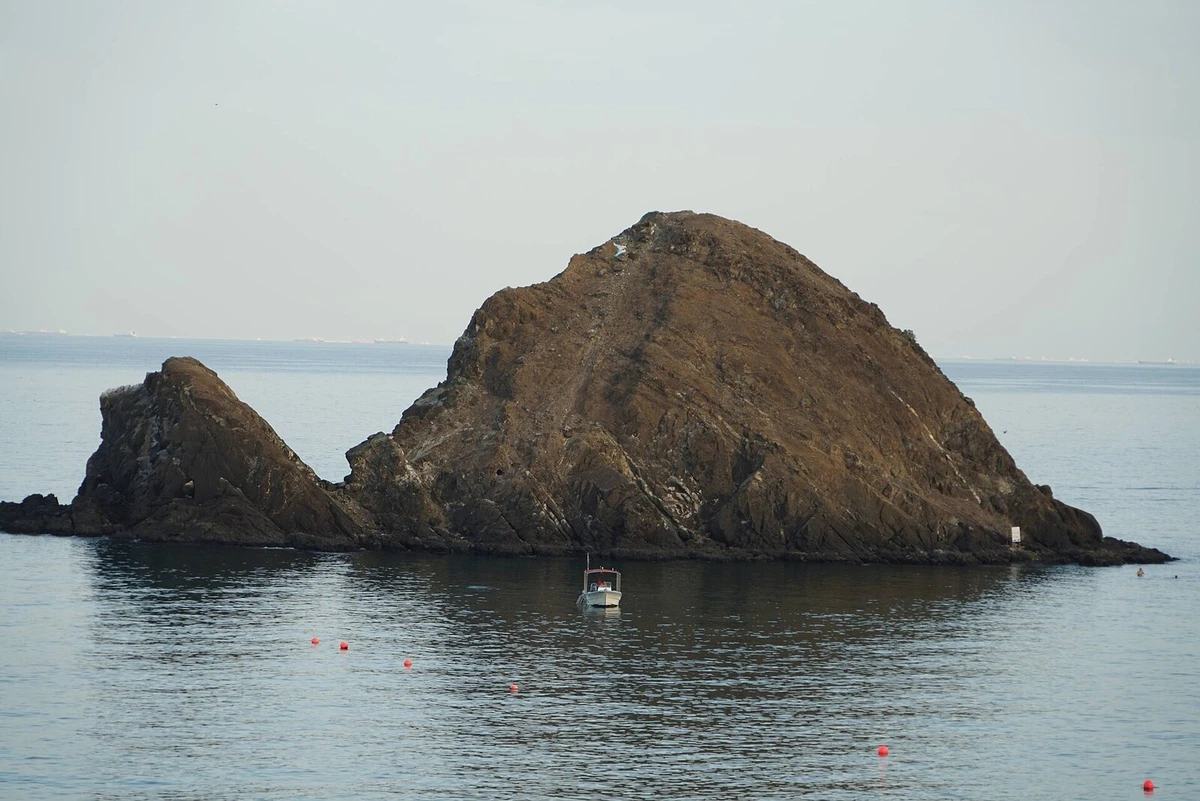
Just off Al Aqah beach, a small rocky islet rises from the sea, surrounded by shallow reefs that are among the easiest snorkelling spots on the coast. Green and hawksbill turtles graze on the sea grass and coral here, often surprisingly close, alongside parrotfish, angelfish and sometimes small reef sharks. Boat trips with guides take you to the best spots and provide masks, fins and life jackets, so even first-time snorkellers and children feel at ease.
Dibba and a Dhow Trip into Musandam
From Dibba, traditional wooden dhows cross into the waters of Musandam, Oman's dramatic peninsula, where steep mountains plunge into deep fjords known locally as khors. The day unfolds slowly, with stops for swimming and snorkelling in quiet coves, lunch on board and, often, dolphins playing at the bow. This trip crosses an international border, so carry your passport and check the current entry rules for your nationality; our team confirms the details for you.
Khor Fakkan, Al Bidyah and the Mountain Villages
A scenic drive along the east coast reveals the crescent bay and corniche of Khor Fakkan, the reservoir of Al Rafisah Dam among dark mountains, and the small Al Bidyah Mosque, a mud-brick and stone building with four low domes, dated to around the fifteenth century and considered the oldest mosque in the country still used for prayer. Inland, mountain villages, date gardens and wadis lead to Masafi and its roadside Friday Market of carpets, pottery, plants and fruit.
Fujairah Fort and Horse Riding in Qidfa
Fujairah Fort, built of stone and mud brick with round towers on a rocky rise, is one of the oldest forts in the country, carefully restored beside a heritage village of palm-frond houses, wells and old farming tools. The nearby Fujairah Museum displays finds from the region's ancient settlements. In the village of Qidfa, near Khor Fakkan, families can enjoy guided horse riding for all levels and gentle encounters with friendly farm animals in a relaxed rural setting.
Neighbourhoods and quarters to know in Fujairah
Fujairah City and the Corniche
The centre of Fujairah, around the corniche, the great white mosque, the fort and the shopping streets, is a practical base with city hotels, supermarkets, cafés and family restaurants. It is the closest area to Fujairah airport and the fort, quiet in the daytime and lively in the evenings when families walk along the seafront.
Al Faseel and the City Beaches
Al Faseel, just north of the centre, has a long public beach, a fishermen's harbour and some of the dive centres of the city, with beach hotels and apartments facing the sea. It suits travellers who want to be by the water yet only a few minutes from the shops, markets and heritage sites of the town.
Al Aqah and the Northern Coast
The coast around Al Aqah and Al Bidyah, about forty-five minutes north of the city, is the main resort strip of the emirate, with large beach hotels, private sands and the turtle reefs right offshore. It is the best base for divers, snorkellers and families who want a pure beach holiday with the mountains rising just behind.
Dibba Al Fujairah
At the northern end of the coast, Dibba Al Fujairah is a relaxed fishing town beside the border with Oman's Musandam peninsula, with a wide bay, a harbour, date gardens and a few hotels and guesthouses. It is the natural base for dhow trips into Musandam and early dives at Dibba Rock, and a quiet place to watch sunrise over the sea.
How long to stay in Fujairah and how to pair it
Recommended stay
We recommend two to three nights in Fujairah. One day for diving or snorkelling with turtles off Al Aqah, a second for the dhow trip from Dibba into Musandam, and a third for Fujairah Fort, Khor Fakkan, the Al Bidyah Mosque and the mountain villages. Many visitors also come on day trips from Dubai, but staying on the coast lets you enjoy the calm mornings at sea.
How to pair it
Fujairah pairs naturally with Dubai, about two hours away across the Hajar Mountains, for its skyline, souks and desert, and with Sharjah and its museums, reached through the mountain tunnels in around an hour and a half. Ras Al Khaimah and the heights of Jebel Jais lie about an hour and a half from Dibba, and the mountain town of Hatta is around an hour away. Abu Dhabi completes a week, with private transfers arranged by our team.
Best time to visit Fujairah and the rhythm of the day
Best months
The best time to visit Fujairah is October to April, when days are warm and sunny, evenings are pleasant and the sea is comfortable for diving and snorkelling. November to March is ideal for mountain drives and heritage visits. From May to September the heat and humidity are intense, though the sea is warm and often calm, so plan diving early in the day. Visibility can drop for a few days when plankton blooms, so keep one day flexible.
The daily rhythm
Fujairah moves gently. Mornings are the best time to be on the water, when the sea is calmest and the light is clear, and dive and snorkel boats leave early. Midday suits a long lunch, a rest or a drive into the mountains in an air-conditioned car. In the late afternoon, the mountains turn gold and families fill the corniche and beaches, and evenings are quiet. Weekends bring more visitors from Dubai and Sharjah, so the reefs are calmer on weekdays.
On-the-ground logistics in Fujairah
Arrival
Dubai airport (DXB) is the main gateway for most travellers, about one hour and forty-five minutes to two hours by road to Fujairah City and a little longer to Al Aqah and Dibba. Sharjah airport (SHJ) is around one and a half hours away, while Fujairah airport (FJR), just outside the city, has a limited choice of scheduled flights. We arrange private transfers that meet you at arrivals and drive you directly to your hotel on the east coast.
Getting around
The east coast is long and spread out, and public transport is limited to intercity buses and taxis, so a car is the easiest way to move between Fujairah City, Khor Fakkan, Al Aqah and Dibba. Dive centres and tour operators usually include pick-ups from coastal hotels, and day trips from Dubai include return transport. For mountain villages, the Friday Market or a full coastal tour, a private car with driver arranged by our team is the most comfortable choice.
Local etiquette tip
Emiratis and residents of the east coast are courteous and hospitable, and a greeting of assalamu alaikum is always appreciated. Swimwear is fine on beaches and at hotel pools, but cover shoulders and knees in towns, markets and malls, and dress modestly in mosques. Ask before photographing people, especially women, and avoid photographing ports and official buildings. During Ramadan, do not eat or drink in public by day. Tipping is not obligatory but welcome for good service.
Must-do things in Fujairah
- Snorkel with green turtles off Al Aqah beach
- Try a discovery dive with an instructor
- Dive the coral reefs around Dibba Rock
- Take a dhow trip into the fjords of Musandam
- Visit the Al Bidyah Mosque and its hilltop watchtowers
- Explore Fujairah Fort and the heritage village
- Drive the coast road to the bay of Khor Fakkan
- Browse the Friday Market near Masafi
- Ride a horse on a farm in Qidfa
- Watch sunrise over the sea from the beach
Do’s and don’ts in Fujairah
Do
- Do book diving and snorkelling for the morning
- Do carry your passport for the Musandam trip
- Do use reef-safe sunscreen and a hat
- Do dress modestly away from the beach
- Do drink plenty of water in the heat
Don’t
- Don't touch or chase turtles and coral
- Don't photograph ports or official buildings
- Don't hike in the wadis in the summer midday heat
- Don't eat or drink in public by day in Ramadan
- Don't rush the coast in a single afternoon
Fujairah at a glance
Plan Fujairah with Haqqi Tours
Every option is confirmed by our team on WhatsApp before you pay, and delivered by our own people or by trusted local partners we work with in every city. Because we send travellers from all over the world, our partners give us special rates and priority, so you always receive the best. Prices are per person unless marked per vehicle.
About Haqqi Tours: About us Contact us Legal NoticePrivacy PolicyCookies & Marketing PreferencesTerms & ConditionsBooking, Payment & Refunds
More services in Fujairah
Where we operate in United Arab Emirates
Good to know
Frequently Asked Questions
Straight answers to what travellers ask most about Fujairah.
Where should I stay in Fujairah?
Divers, snorkellers and families who want a beach holiday usually stay around Al Aqah on the northern coast, close to the turtle reefs. Fujairah City and Al Faseel are practical for shops, the fort and the airport, while Dibba suits those planning dhow trips into Musandam. Our team suggests the best area for your plans and arranges your private transfer from Dubai or Fujairah airport.
Is Fujairah worth visiting from Dubai?
Yes. Fujairah is only about two hours from Dubai, yet it feels like a different country, with mountains, coral reefs, turtles, old forts and quiet beaches. A day trip covers a dive or snorkel and a short coastal tour, but two or three nights let you enjoy calm mornings on the water and add Musandam. We arrange private day trips or transfers.
What is the dress code and etiquette in Fujairah?
Swimwear is fine on the beach and at hotel pools. In towns, markets, malls and on mountain tours, wear clothing that covers shoulders and knees, and women should bring a scarf for mosques. Be polite and patient, avoid public displays of affection and ask before photographing people, especially women and families.
Is Fujairah suitable for families and Muslim travellers?
Yes. Fujairah is calm, safe and very family friendly, with gentle beaches, easy snorkelling with turtles, horse riding and heritage sites. The United Arab Emirates is a Muslim country, so halal food is the norm everywhere and mosques are found in every town, including the historic Al Bidyah Mosque. Our team can advise on family-friendly hotels and activities.
Is it safe to travel to Fujairah now?
Fujairah and the United Arab Emirates are generally considered very safe for travellers. Take normal care in the sun and heat, follow your instructors' briefings when diving or snorkelling, and respect local laws and customs. Check your own government's official travel advice before departure, and keep our WhatsApp line handy throughout your stay.
What are the must-do things in Fujairah?
The must-do things in Fujairah include snorkelling with turtles off Al Aqah, diving at Dibba Rock, a dhow trip into Musandam, the Al Bidyah Mosque, Fujairah Fort and the heritage village, the coast road to Khor Fakkan, the mountain villages and the Friday Market near Masafi, and horse riding in Qidfa. Our private tours combine these in the best order and timing.
How many days do you need in Fujairah?
Two to three days is ideal for Fujairah: one for diving or snorkelling, one for the dhow trip from Dibba into Musandam, and one for the fort, Khor Fakkan, Al Bidyah and the mountains. A single day trip from Dubai covers one sea activity and a short tour, while four days allow a slower pace and more time on the beach.
What can I book in Fujairah with Haqqi Tours?
Day tours, including Horse Riding and Animal Experience in Qidfa, Fujairah, Private Khor Fakkan, Dibba & Mountain Villages Tour from Dubai and Dibba Musandam Trip & Dhow Cruise from Dubai, Sharjah or RAK. Each has its own page, and the WhatsApp desk combines any of them into one plan with one written price.
How do I get from the airport to my hotel in Fujairah?
With a private transfer: a driver at arrivals, flight tracking and a fixed price for the whole vehicle, door to door. Tell the desk the flight number and the hotel.
Is there public transport from the airport to Fujairah?
Public options vary by airport and end at a station rather than your hotel; the private transfer starts at the arrivals door and ends at your door.
Which tours are available in Fujairah?
Among them: Horse Riding and Animal Experience in Qidfa, Fujairah, Private Khor Fakkan, Dibba & Mountain Villages Tour from Dubai, Dibba Musandam Trip & Dhow Cruise from Dubai, Sharjah or RAK, Fujairah Half-Day Scuba Dive and Snorkeling from Dubai and Discovery Scuba Diving & Snorkeling in Fujairah from Dubai. Each page says whether the day is private or small-group, what it includes and how long it lasts.
Are the tours private or in a group?
Both exist, and each tour page says which. A private tour has a vehicle and guide for your party alone; the desk can make most group tours private on request.
How do I book?
Fill in the form on any page or message us on WhatsApp with the date, the number of travellers and the hotel. A member of our team confirms the price and the details in writing within minutes.
Are the prices fixed?
Yes - every price is agreed in writing on WhatsApp before you travel and does not change on the day.
Do the drivers and guides speak Arabic or English?
It depends on the city and the day, so we do not promise a particular language; tell us your preference and we do our best. The WhatsApp desk always works in Arabic and English.
Can I change or cancel a booking in Fujairah?
Yes, in the same WhatsApp conversation. The terms depend on the product and on how close to the date the change comes; the desk states them before you pay.