
San Basilio de Palenque Culture and History Tour from Cartagena
- DurationAbout 6 hours
- Daily
- Group
- Pickup available
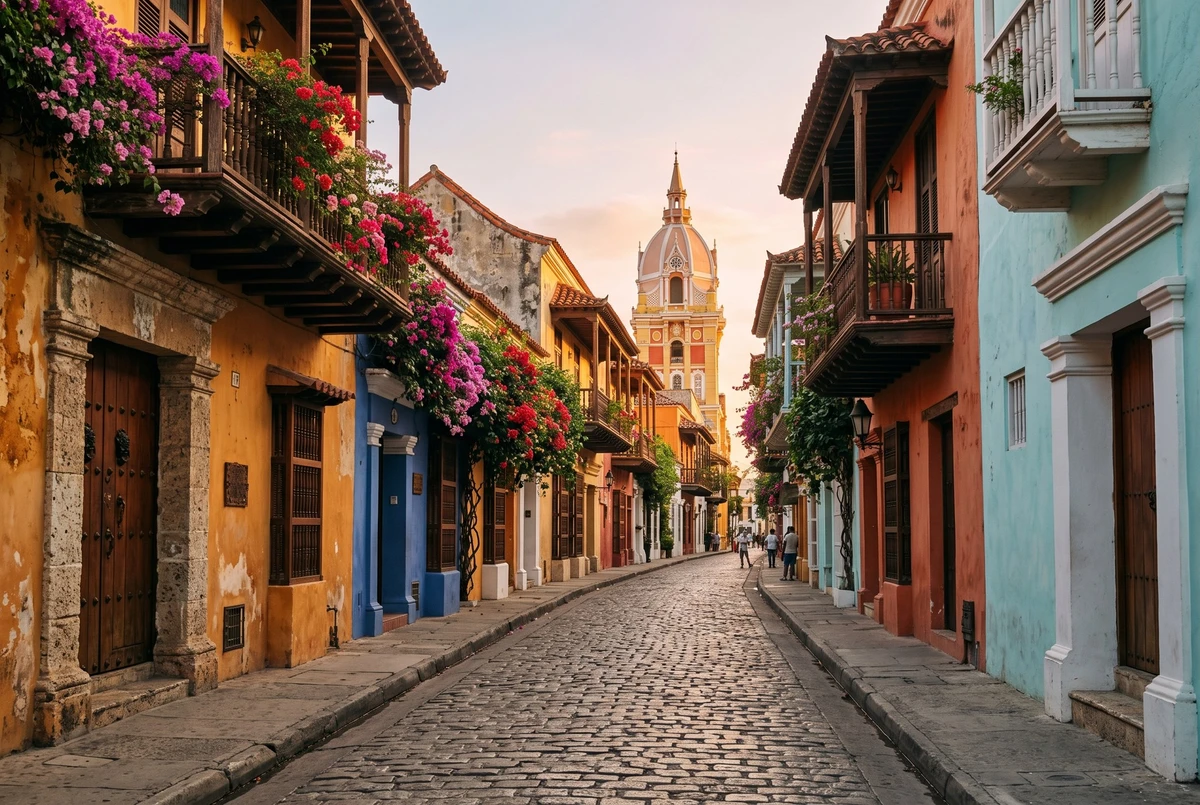
Some images are AI-generated for illustration. While we confirm your booking, just ask and we will send you the original photos.
- Fair, honest prices
- Real people, not bots
- Confirm, then pay
- Secure payment

Overview
San Basilio de Palenque, about an hour southeast of Cartagena, was founded by Africans who escaped slavery in the seventeenth century and won their freedom by royal decree in 1713, which makes it the first free town of the Americas and a UNESCO Masterpiece of the Oral and Intangible Heritage of Humanity. On this shared day trip a native Palenquero guide shows you the village as a resident sees it: the main square and its monuments, a mini-class in the only Spanish-based creole language in the world, a drum demonstration and dance show at the house of traditional instruments, a recording studio where old rhythms meet new music, a garden of medicinal herbs and a typical lunch of coconut rice and fresh fish. Hotel pickup is included.
Highlights
- The first free town of the Americas, an hour from Cartagena
- Native Palenquero guide speaking English and Spanish
- Mini-class in Palenquero, the only Spanish-based creole language in the world
- Drum demonstration and traditional dance show at the house of instruments
- Visit to a local recording studio where tradition meets modern music
- Walk through a garden of medicinal herbs used for generations
- Typical lunch of coconut rice and fresh fish at a village restaurant
- Round-trip hotel pickup in Cartagena, bottled water and all fees included
Full Description
San Basilio de Palenque, the first free town of the Americas
San Basilio de Palenque sits at the foot of the Montes de María hills in the department of Bolívar, about fifty kilometres southeast of Cartagena, and a San Basilio de Palenque tour from Cartagena takes about an hour each way. In the early 1600s Africans who had escaped from the slave port of Cartagena built a fortified settlement, a palenque, in these hills and defended it so successfully that the Spanish crown recognised its freedom in 1713. No other community in the Americas can claim an earlier date.
The village today has a few thousand inhabitants, low painted houses, a shaded main square and a tangible pride in its history. UNESCO proclaimed Palenque a Masterpiece of the Oral and Intangible Heritage of Humanity in 2005 for its language, music, medicine and funeral rites. Your native guide starts in the square beside the statue of the town's founder, a chained figure breaking free, and the monument to the local boxer who became a world champion in the 1970s.
The Palenquero language mini-class
Palenquero is the only creole language in the world built on Spanish vocabulary, with grammar and words inherited from Bantu languages of central Africa. For centuries it was spoken only inside the village, which is how it survived; today it is taught in the local school, and a Palenque Colombia tour with a native speaker is the best chance to hear it. During the mini-class your guide teaches a handful of greetings and everyday phrases and explains how the language kept the community's African memory alive.
The lesson takes place in a shaded patio or a community house, and it is interactive: you repeat the words, learn how plural and tense work without Spanish endings, and hear the difference when the guide switches between Palenquero and Spanish. Children and adults enjoy it equally. It is also where you learn about the palenqueras, the women in bright dresses who sell fruit in Cartagena's old town, most of whom come from this village.
Drums, dance and the recording studio
Music is how Palenque remembers. At the house of traditional instruments you watch the village's drummers play the alegre, the llamador and the tambora, the three drums that drive rhythms such as bullerengue and son palenquero, and then dancers in flowing skirts perform the steps that accompany them. The demonstration is exclusive to your group and close enough to feel the drums in your chest, which is why so many people call the Palenque dance show the highlight of the day.
A short walk away is a local recording studio where young musicians fuse the traditional drums and the Palenquero language with modern genres, a project that has taken the village's sound to festivals abroad. You see how the tracks are made and hear the result. Together these two stops show that Afro-Colombian culture in Palenque is not a museum piece but a living tradition passed on by each generation to the next.
The garden of ancestral medicine
Palenque's healers kept alive an African knowledge of plants that still serves the village today, and the traditional herb garden is where your guide explains it. Rows of medicinal herbs, shrubs and trees are grown for teas, poultices and baths used for fevers, digestion, childbirth and the rituals that mark death; the Lumbalú funeral songs and wakes are part of the heritage UNESCO recognised. You walk the garden with a resident who names each plant and its use.
It is a quiet stop after the drums, and a good moment to ask questions about daily life, the farming of yuca and plantain around the village and the way families divide work between fields and markets. The garden is also where you understand why Palenque is described as a sanctuary of resistance: medicine, language, music and food were all means of keeping an identity intact for four hundred years.
Lunch and the return to Cartagena
Lunch is served at a family restaurant in the village and is deliberately traditional: fresh fish, coconut rice, fried plantain and salad, with juice and bottled water, prepared by local cooks using recipes passed down through the generations. Eating here supports the community directly, and the meal is the moment when the group, the guide and the hosts sit together and the morning's stories continue. Allow about an hour.
After lunch the air-conditioned vehicle leaves for Cartagena, reaching your hotel in the mid-afternoon with time left for the walled city. Many travellers ask whether a Palenque day trip from Cartagena is worth it: if you want to understand the Afro-Colombian roots of the Caribbean coast rather than only its beaches, it is the most meaningful day trip the city offers, and the whole visit is managed so that the village is never overrun.
Itinerary
- Hotel pickup in CartagenaThe air-conditioned vehicle collects you from about 08:20; the exact time depends on your hotel's location and is confirmed after booking.
- Drive to San Basilio de PalenqueAbout one hour southeast through the countryside of Bolívar towards the Montes de María.
- The village and the main squareWalk with your native guide through the streets, the main square with the founder's statue and the boxing champion's monument, and the Palenquero mini-class.
- House of instruments and recording studioDrum demonstration and traditional dance show, then a visit to the studio where traditional rhythms meet modern music.
- Herb gardenWalk through the garden of medicinal plants and learn how ancestral medicine is still used.
- LunchTypical lunch of fresh fish and coconut rice at a village restaurant, about one hour.
- Return to CartagenaDrive back and drop-off at your hotel in the afternoon, about six hours after pickup.
What's included
- Round-trip transport from and to your hotel in Cartagena
- Air-conditioned vehicle
- Native Palenquero bilingual guide
- Mini-class in the Palenquero language
- Drum demonstration and traditional dance show
- Visit to the recording studio and the herb garden
- Typical lunch
- Bottled water
- Entrance and facility fees
Not included
- Items not mentioned
- Souvenirs and personal expenses
- Gratuities (optional)
Is this right for you?
Great for
- Travellers without a car — hotel pickup is included
- Food lovers
- Travellers who want a proven choice — rated 4.8/5 by past travellers
Think twice if
- You want a private tour — this one is shared with other travellers
Meeting point
Pickup is included at hotels in Cartagena. The tour starts at around 08:20, but because this is a shared tour the exact pickup time depends on where each hotel is located and is confirmed with you after booking; please be ready in the lobby a few minutes before. You are dropped back at your hotel in the afternoon.
Important information
- Wear comfortable shoes and light, comfortable clothes; the village is hot and the visit is mostly on foot
- Bring a camera, biodegradable sunscreen, a hat and some cash for crafts or extra drinks
- Bottled water and lunch are included; outside food and drinks are not allowed on the tour
- Large bags and luggage cannot be carried on the vehicle
- Pickup times may change according to each passenger's hotel, as the tour is shared
- Tell us about dietary needs when booking so the restaurant can adapt the lunch
- The number of visitors per day is limited to protect the community, so book early in high season
Good to know
Frequently Asked Questions
Straight answers to what travellers ask us most, before they book.
Is this a shared or a private experience?
It is a shared day tour: travellers from different hotels are collected and visit the village together with one native guide.
How long does it take?
About six hours from pickup to drop-off, including roughly an hour's drive each way and around four hours in Palenque.
Is hotel pickup included?
Yes, round-trip pickup and drop-off at your hotel in Cartagena in an air-conditioned vehicle is included.
What is included?
Transport, a native bilingual guide, the language mini-class, the drum and dance show, the studio and herb garden visits, lunch, bottled water and all entrance and facility fees.
Is the price per person or per group?
Per person. The booking panel on this page shows the current price of the option.
Is it suitable for children?
Yes, families are welcome and children usually love the drums and the language class. There is no separate child rate; please ask us about very young children.
Is it suitable for people with reduced mobility?
The visit involves walking on unpaved village streets and some standing; contact us with your needs and we will advise honestly.
What is the lunch?
A typical Palenque lunch of fresh fish with coconut rice, fried plantain and salad at a village restaurant; vegetarian alternatives can be requested in advance.
What should I bring?
Comfortable shoes and clothes, sunscreen, a hat, a charged phone or camera and some cash for crafts.
When is the best time to visit Palenque?
The tour runs all year. December to April is the dry season with sunnier days; the village's drum festival in October fills the streets with music but also with visitors.
Why is San Basilio de Palenque famous?
It was the first town in the Americas to win legal freedom from slavery, in 1713, and UNESCO recognised its language, music and traditions as a Masterpiece of the Oral and Intangible Heritage of Humanity.
How do I book and confirm?
Choose your date in the booking panel and send the request; our team confirms on WhatsApp within minutes and sends your pickup time.
More in Cartagena
Getting to & around Cartagena
Popular across Colombia
-
-
-
-