
Rosario Islands Snorkelling and Playa Blanca Speedboat Trip Cartagena
- Duration7 hours
- Daily
- Group
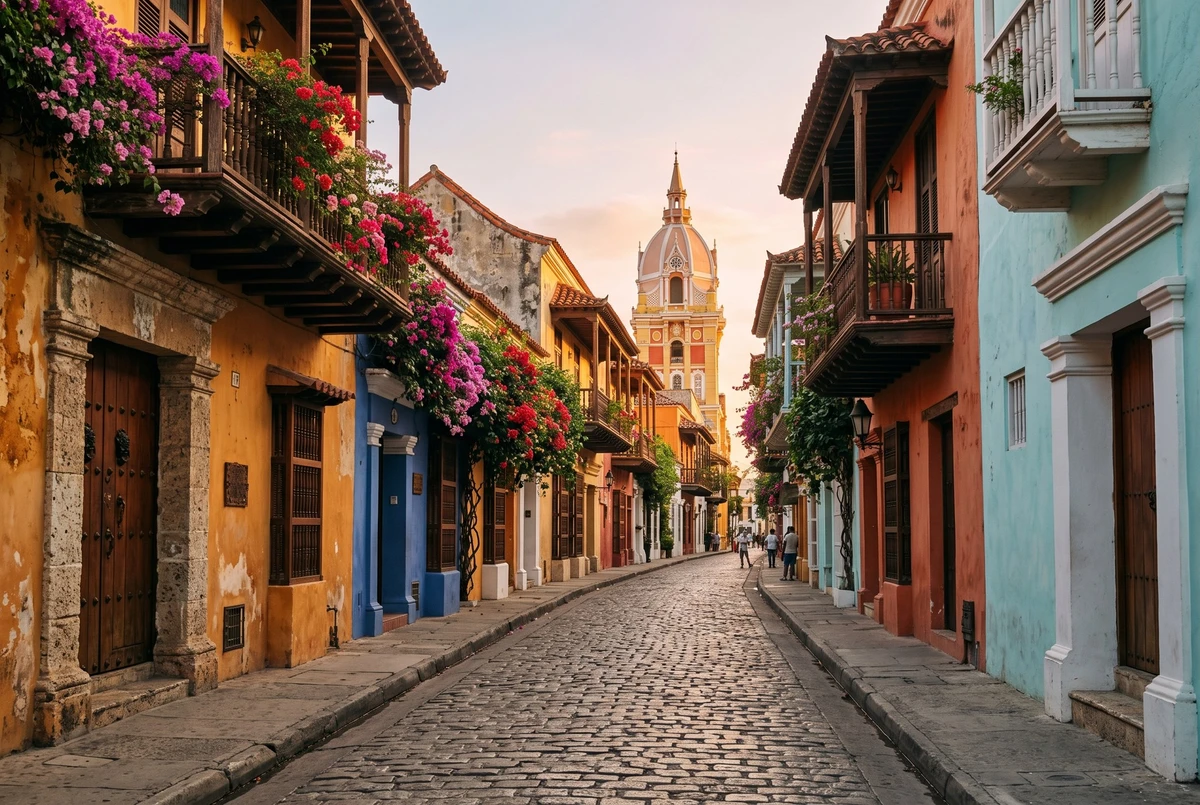
Some images are AI-generated for illustration. While we confirm your booking, just ask and we will send you the original photos.
- Fair, honest prices
- Real people, not bots
- Confirm, then pay
- Secure payment

Overview
This Rosario Islands tour from Cartagena is a full-day shared speedboat trip of about seven hours with a bilingual Spanish and English guide. You cross Cartagena Bay past the colonial forts of Bocachica, stop off San Quintín Island to learn about the archipelago, snorkel over a coral reef inside the Rosario Islands national park, see Isla del Pavito and the sunken light aircraft off Isla Grande, then spend about two and a half hours at Playa Blanca in Barú with a traditional Caribbean lunch, sun loungers and hammocks. It suits active travellers, couples and families with older children who enjoy the sea. There is no hotel pickup: you meet the guide at Muelle de la Bodeguita pier in Cartagena.
Highlights
- Speedboat crossing of Cartagena Bay with a bilingual Spanish and English guide
- Photo stop at Fort San Fernando de Bocachica, guardian of the harbour entrance
- About 45 minutes of snorkelling over a coral reef in the Rosario Islands
- Panoramic visit to Isla del Pavito and the sunken plane seen through clear water
- Traditional Caribbean lunch on the sand at Playa Blanca, Barú
- Sun loungers, a beach bed and hammocks during your free time
- One easy morning meeting point at Muelle de la Bodeguita, close to the Walled City
Full Description
Muelle de la Bodeguita and Cartagena Bay
The day starts at Muelle de la Bodeguita, the main tourist pier of Cartagena, just outside the walls of the old city and a short walk from the Clock Tower. Boats to the islands leave from here every morning, so arrive by 8:30 to pay the port tax at the entrance and find Gate 2, where your guide waits for the 9:00 departure.
Once the speedboat leaves the pier you cross Cartagena Bay, one of the largest natural harbours of the Caribbean. Behind you rise the domes of the Walled City and the towers of Bocagrande; ahead lies Tierra Bomba, the island that closes the bay to the south. This is the moment to understand why Spain chose this sheltered harbour for its treasure fleets, and why the city needed so many forts. The ride to Bocachica takes about 20 minutes on generally calm water.
Fort San Fernando de Bocachica
Bocachica, the narrow channel at the southern end of the bay, became the only entrance for ships after the Spanish closed the wider Bocagrande passage with an underwater wall in the 18th century. To guard it they built Fort San Fernando, completed around 1760, on the tip of Tierra Bomba, with the smaller San José battery on the opposite shore. In times of war a heavy chain could be stretched between the two.
Your boat slows down in front of the fort for a photo stop of about ten minutes, close enough to see the thick stone walls, the bastions and the moat facing the sea. The guide explains how this line of defence helped Cartagena resist one of the largest naval attacks of the colonial era in 1741. Fort San Fernando is part of the UNESCO World Heritage listing of Cartagena's port and fortresses.
Rosario Islands coral reef snorkelling
The Rosario Islands lie about 45 kilometres southwest of Cartagena and form the heart of the Corales del Rosario y San Bernardo National Natural Park, protected since 1977 for its coral reefs, seagrass meadows and mangroves. After a stop off San Quintín Island, where the guide introduces the archipelago and its history, the boat anchors near Majayura Island for about 45 minutes of Rosario Islands snorkelling over a living reef.
In shallow, clear water you can see brain corals, sea fans and soft corals, with parrotfish, sergeant majors, blue tangs and angelfish moving between them. Float gently, never stand on the coral and keep your fins away from the reef: this is a protected ecosystem. If you are not a confident swimmer, tell the guide before entering the water; you can also stay on board and enjoy the colours from the surface. A short swim stop follows.
Isla del Pavito, Isla Grande and the sunken plane
Next comes a panoramic visit to Isla del Pavito, a tiny islet surrounded by turquoise shallows, followed by Isla Grande, the largest island of the archipelago, with mangrove channels, inland lagoons and small fishing communities. The boat cruises slowly along the shore so you can photograph the water changing from deep blue to pale green over the sandbanks.
Off Isla Grande lies the most talked-about sight of the day: a small light aircraft resting on the seabed in shallow, crystal-clear water. You see it from the boat as fish swim over its wings and the reef slowly grows across its body. The guide shares the local stories told about how it ended up there. The whole stretch takes around 15 minutes before the boat heads towards Barú.
Playa Blanca, Barú
Playa Blanca, on the island of Barú south of Cartagena, is one of the best-known beaches of the Colombian Caribbean, a long curve of white sand and calm, transparent water. This trip lands in the Playa Tranquila area, a quieter stretch where you have about two and a half hours to swim, rest on a sun lounger or beach bed, stretch out in a hammock and walk along the shore. A traditional Caribbean lunch is served by the sea, typically fried fish with coconut rice, patacones and salad.
Is the Playa Blanca day trip worth it? For most travellers it is the highlight, especially on weekdays when the sand is less crowded. Beach vendors offer fruit, massages and souvenirs; a polite no is always accepted. The best time to visit Playa Blanca is the dry season from December to April, although the trade winds of January to March can make the speedboat ride bumpier. The return to Cartagena takes about 20 minutes.
Itinerary
- Meet at Muelle de la Bodeguita, Gate 2Arrive by 8:30, pay the port tax at the pier entrance and meet your guide for the 9:00 departure.
- Speedboat across Cartagena BayAbout 20 minutes across the harbour with views back to the Walled City and Bocagrande.
- Fort San Fernando de BocachicaPhoto stop from the water in front of the fort guarding the harbour entrance (about 10 minutes).
- San Quintín IslandAfter about 20 minutes on the boat, the guide introduces the islands, their nature and history.
- Coral reef snorkellingSnorkel and watch marine life over a reef in the Rosario Islands (about 45 minutes).
- Isla del Pavito and the sunken planePanoramic visit to the islet and view of the aircraft under the water off Isla Grande (about 15 minutes).
- Swimming stopA short swim in clear water before heading to Barú (about 15 minutes).
- Playa Blanca, BarúLunch, free time, swimming and relaxing on loungers and hammocks in the Playa Tranquila area (about 2.5 hours).
- Return to CartagenaAbout 20 minutes back to Muelle de la Bodeguita, arriving in the late afternoon.
What's included
- Return speedboat transport
- Bilingual guide on board
- Snorkelling at a Rosario Islands coral reef
- Panoramic visit to Isla del Pavito
- View of the sunken light aircraft
- Traditional Caribbean lunch at Playa Blanca
- Sun loungers, beach bed and hammocks
Not included
- Port tax at Muelle de la Bodeguita (paid on site)
- Hotel pickup and drop-off
Is this right for you?
Great for
- Travellers who want a proven choice — rated 4.8/5 by past travellers
Think twice if
- You want a private tour — this one is shared with other travellers
Not suitable for
- Pregnant women
- People with back problems
- People with mobility impairments
- Wheelchair users
- People with heart problems
- People with epilepsy
- People prone to seasickness
- Babies under 1 year
- People over 70 years
Meeting point
Meet at Muelle de la Bodeguita pier in Cartagena, Gate 2, at 8:30 for the 9:00 departure. The pier is on the bay just outside the Walled City, a short walk from the Clock Tower and easy to reach by taxi from Bocagrande or Getsemaní. Your guide wears a company sweater and checks names at the gate. A port tax is charged at the pier entrance and paid on site. There is no hotel pickup, and the boat returns to the same pier in the late afternoon.
Important information
- The port tax at Muelle de la Bodeguita is not included and is paid in cash at the pier
- Carry your passport or a clear photo of it for the pier check-in
- Bring swimwear, a towel, sunglasses, a hat and reef-safe sunscreen
- Use a waterproof bag for your phone and money; the speedboat can be splashy
- The ride can be bumpy: sit towards the back of the boat if you prefer a smoother crossing
- If you get seasick, take your usual remedy before boarding
- Bring some cash for extra snacks, drinks or souvenirs on the beach
- Sea conditions can change the order of the stops; trips may be cancelled by the port authority in rough weather
Good to know
Frequently Asked Questions
Straight answers to what travellers ask us most, before they book.
Is this a shared or a private experience?
It is a shared speedboat trip: you travel with other passengers and a bilingual Spanish and English guide.
How long does the Rosario Islands tour from Cartagena take?
About seven hours, from the 9:00 departure at Muelle de la Bodeguita to the return to the same pier in the late afternoon.
Is hotel pickup included?
No. You meet the guide at Muelle de la Bodeguita, Gate 2, at 8:30. The pier is a short walk or taxi ride from most hotels in Cartagena.
What is included?
Return speedboat transport, a bilingual guide, the coral reef snorkelling stop, the panoramic visit to Isla del Pavito, the view of the sunken plane, a traditional Caribbean lunch at Playa Blanca and the use of sun loungers, a beach bed and hammocks. The pier port tax is paid separately on site.
Is the price per person or per group?
The price is per person. The booking panel on this page shows the current price, including the rate for children and teenagers.
Is it suitable for children or travellers with reduced mobility?
Children over one year can join, but the speedboat ride is fast and can be bumpy, so it is best for children who are comfortable on the water. It is not suitable for wheelchair users, people with mobility, back or heart problems, pregnant women or travellers over 70.
Do I need to know how to swim to snorkel?
Basic swimming ability is recommended. If you are not confident in the water, tell the guide before the stop; you can stay close to the boat or watch from on board.
What should I bring?
Swimwear, a towel, sunglasses, a hat, reef-safe sunscreen, a waterproof bag, your passport or a photo of it, and cash for the port tax and any extras.
What is the best time to visit the Rosario Islands?
December to April is the driest and sunniest period. Seas tend to be choppier from January to March because of the trade winds, while weekdays are always less crowded at Playa Blanca.
What happens in bad weather?
The port authority can close the sea to small boats when conditions are unsafe. In that case the trip does not run and we help you choose another date.
How do I book and confirm?
Select your date in the booking panel. Our team confirms your booking on WhatsApp within minutes and sends the pier details and meeting time.
How do I get to Playa Blanca from Cartagena on my own?
You can drive or take a taxi across the bridge to Barú in about an hour, but this trip combines Playa Blanca with the forts, the reef and the islands by speedboat in a single day, with lunch and loungers already arranged.
More in Cartagena
Getting to & around Cartagena
Popular across Colombia
-
-
-
-