Tall Ship Irish Famine History Guided Tour Dublin
- Duration50 minutes
- Daily
- Group
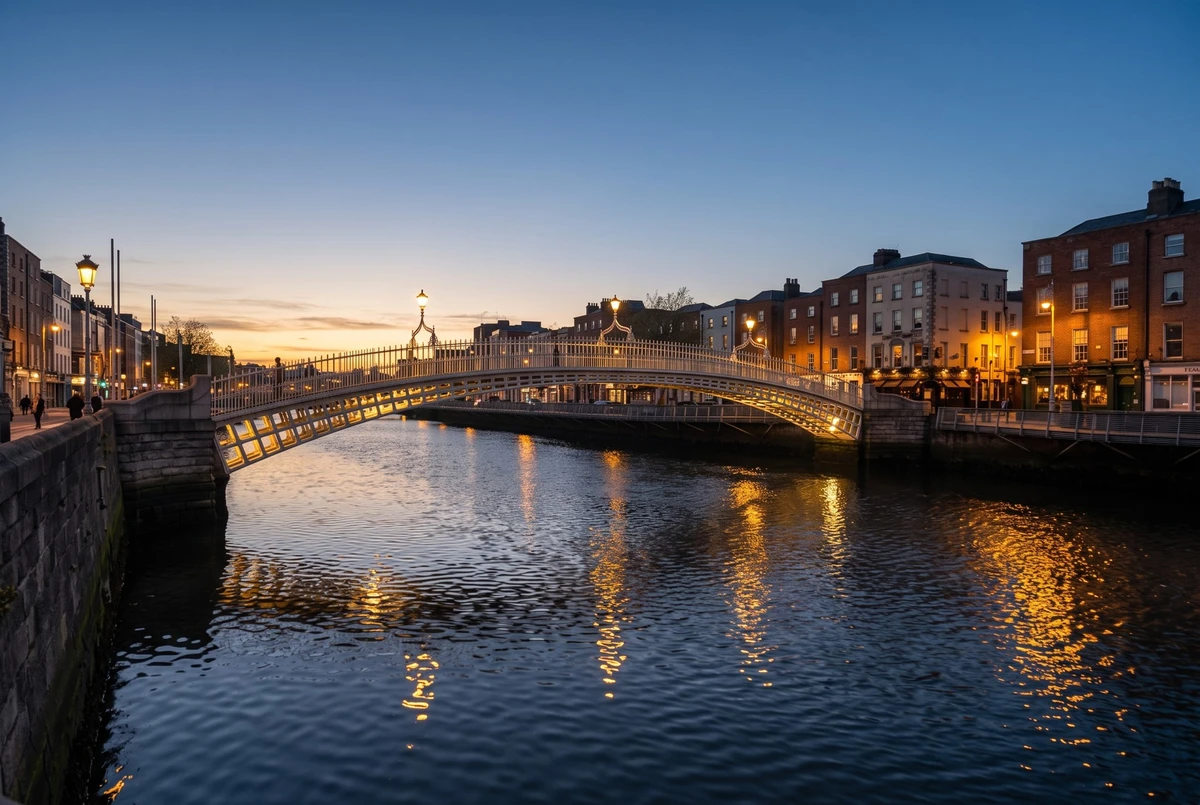
Some images are AI-generated for illustration. While we confirm your booking, just ask and we will send you the original photos.
- Fair, honest prices
- Real people, not bots
- Confirm, then pay
- Secure payment

Overview
Moored on the River Liffey at Custom House Quay, this full-size replica of a 19th-century famine ship tells one of the most moving chapters of Irish history. On a 50-minute guided tour in English you walk the upper deck among the masts and rigging, learn why the original ship switched from carrying timber to carrying people, and then go below deck into the cramped quarters where up to 250 emigrants lived during the long crossing to North America. Your guide brings to life the real stories of passengers and crew: how they paid for the voyage, what they ate, the risks of disease and storms, and what awaited them on arrival. Tours run hourly, entry is included, and the ship is a short walk from the city centre.
Highlights
- Step aboard a full-size replica of a 19th-century famine emigrant ship
- Guided tour in English of the upper deck, masts and rigging
- Go below deck to see the cramped quarters where passengers lived
- True stories of the emigrants and crew who made the Atlantic crossing
- Views of Dublin's Docklands and the River Liffey from the deck
- Hourly tours during the day, about 50 minutes long
- Short walk from the city centre at Custom House Quay
Full Description
The famine tall ship on Custom House Quay
The ship you board is a faithful replica of a three-masted barque built in Quebec in 1847, the worst year of the Great Famine. The original sailed from County Kerry to North America and became famous because, across many crossings, it is said never to have lost a passenger or crew member, a rare record at a time when so many famine ships earned the name coffin ships.
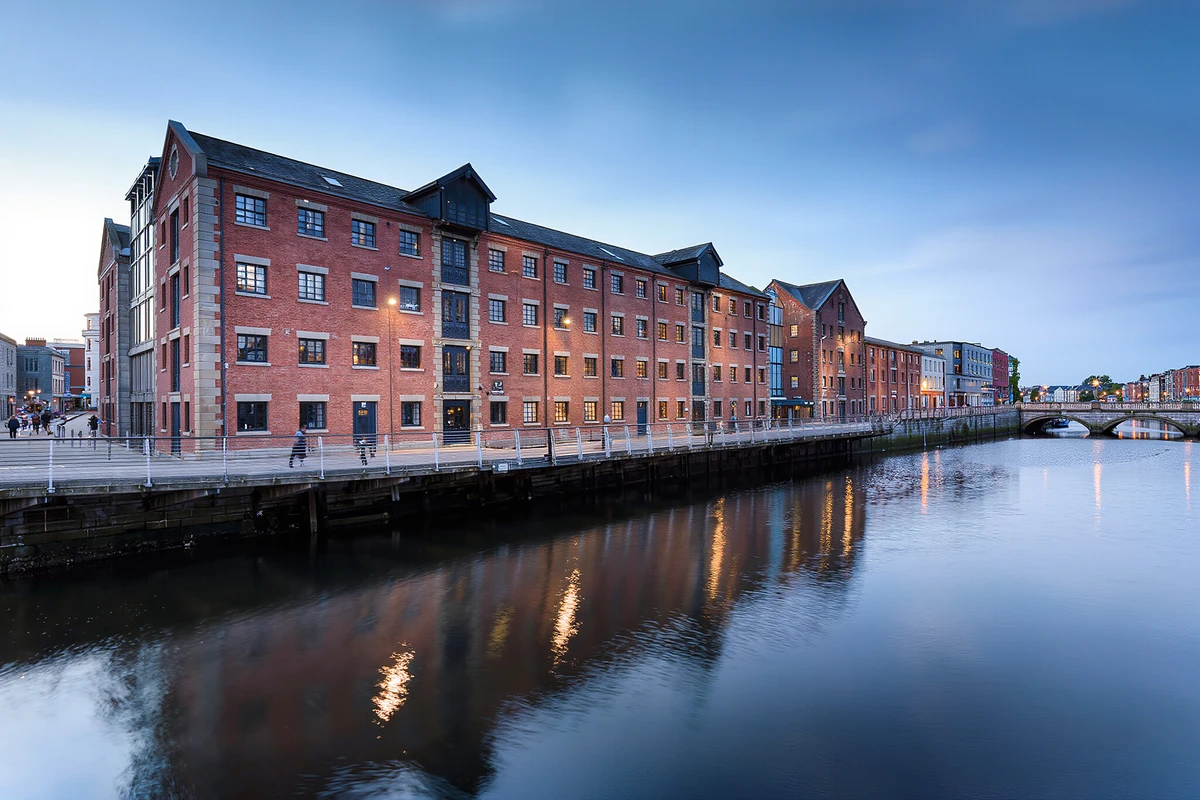
The replica was built in Kerry and launched at the turn of the millennium by craftsmen and volunteers from Ireland and abroad, then sailed across the Atlantic before settling in Dublin. Today it is moored at City Moorings on Custom House Quay, one of the most photographed spots in the Docklands, beside the bronze Famine Memorial figures on the same quay.
Above deck: masts, rigging and the shipping trade
The tour starts on the upper deck, where your guide explains how a 19th-century sailing ship worked, from the masts and sails to the ropes and the ship's wheel. You learn why the original vessel was first used to carry timber from Canada and how, during the famine years, ship owners filled the return voyages with emigrants.
From the deck you also see the River Liffey and the modern Docklands from a new angle, with the wind off the water and gulls overhead. It is the best moment for photos, and many visitors searching for unusual things to do in Dublin rate this part of the visit as a highlight before heading below.
Below deck: life on a famine voyage
Below deck the mood changes. You enter the low, narrow space where up to 250 passengers spent most of the voyage, crowded into simple wooden bunks and allowed on deck for only about half an hour of fresh air each day. Life-size figures and recreated belongings help you imagine the noise, darkness and smell of a crossing that could last six weeks or more.
Your guide introduces individual passengers and crew, telling how they raised the money for the fare, what food they carried, how they passed the time, and the dangers they faced from disease, hunger and storms. It is a respectful and personal way to understand the history of Irish emigration, and suitable for older children studying it at school.
The Great Famine and Irish emigration
Between 1845 and 1852, potato blight destroyed the main food source of Ireland's rural poor. Around one million people died and about one million more left the country, most of them for North America and Britain. Thousands crossed the Atlantic on sailing ships like this one, and the population of Ireland has still not returned to its pre-famine level.
This tour gives a human face to those numbers through the story of one ship and its passengers. Visitors interested in Irish emigration history in Dublin often combine it with other sights in the Docklands and along the north quays, all within easy walking distance of the ship, and the morning tours leave plenty of time for the rest of the day.
Itinerary
- Arrival at Custom House QuayMeet at the tall ship moored at City Moorings a few minutes before your tour time.
- Upper deck tourAbout 20 minutes on the history of the ship, sailing life and the shipping trade.
- Below deckAbout 25 minutes in the passenger quarters with the stories of emigrants and crew.
- End of the tourQuestions with the guide and time for photos on the quay, about 50 minutes in total.
What's included
- Entry to the tall ship
- Live English-speaking guide
- Tour of the upper deck and the ship's history
- Visit to the recreated passenger quarters below deck
- Stories of the passengers and crew
Not included
- Hotel pickup and drop-off
- Food and drinks
Is this right for you?
Great for
- Families with children — a child price for ages 13–17
- A short visit — about 1 hour
- Travellers who want a proven choice — rated 4.8/5 by past travellers
Think twice if
- You want a private tour — this one is shared with other travellers
Not suitable for
- People with mobility impairments
- Wheelchair users
Meeting point
The tour starts on board the tall ship moored at City Moorings, Custom House Quay, Dublin 1, on the north bank of the River Liffey in the Docklands. It is about a 10-minute walk east of O'Connell Bridge and close to tram and train stops. Please arrive 10 minutes before your chosen tour time.
Important information
- Tours run hourly from 10:00 to 15:00; choose your time when booking
- Access involves a gangway and steep steps below deck, so the tour is not suitable for wheelchair users or people with limited mobility
- Wear comfortable, flat shoes for the decks and ladders
- Bring a light jacket, as the upper deck can be windy
- Youths aged 13 to 17 have a reduced fare; ask our team about younger children
- The guided tour is in English
Good to know
Frequently Asked Questions
Straight answers to what travellers ask us most, before they book.
Is this a shared or a private experience?
It is a shared guided tour on board the ship with other visitors.
How long does the tour take?
About 50 minutes, covering both the upper deck and the quarters below.
Is hotel pickup included?
No. The ship is moored at Custom House Quay in central Dublin, easy to reach on foot or by tram.
What is included?
Entry to the ship and a live guided tour in English above and below deck.
Is the price per person or per group?
The price is per person, with a reduced price for youths. The booking panel on this page shows the current prices.
Is it suitable for children and people with reduced mobility?
Children are welcome and it is a good history lesson for older children. Because of the gangway and steep steps below deck, it is not suitable for wheelchair users or people with limited mobility.
Is the ship a real famine ship?
It is a faithful full-size replica of a famine ship built in 1847. The replica was built in Ireland and has itself crossed the Atlantic under sail.
Where is the famine ship in Dublin?
At City Moorings on Custom House Quay, on the north bank of the Liffey near the bronze Famine Memorial figures.
What should I bring?
Comfortable shoes and a light jacket for the open deck.
When are the tours?
Tours start every hour from 10:00 to 15:00. Morning tours are usually quieter.
How do I book and confirm?
Choose your date and tour time in the booking panel and send the request. Our team confirms on WhatsApp within minutes.
More in Dublin