

Sousse
Plan Sousse with Haqqi Tours: day tours, private airport transfers, attraction tickets and packages, run by our own team and confirmed on WhatsApp in Arabic or English.
Morning in Sousse begins with the call to prayer drifting over the white walls of the medina, as shopkeepers roll up their shutters and the scent of fresh bread and mint tea fills the narrow lanes. From the watchtower of the Ribat, the old town spreads out below in a maze of cube-shaped houses and blue doors, the domes of the Great Mosque at its heart and the bright Mediterranean beyond the harbour.
Nothing matches those filters yet. Widen your search or message us on WhatsApp.
Sousse Day Tours
View all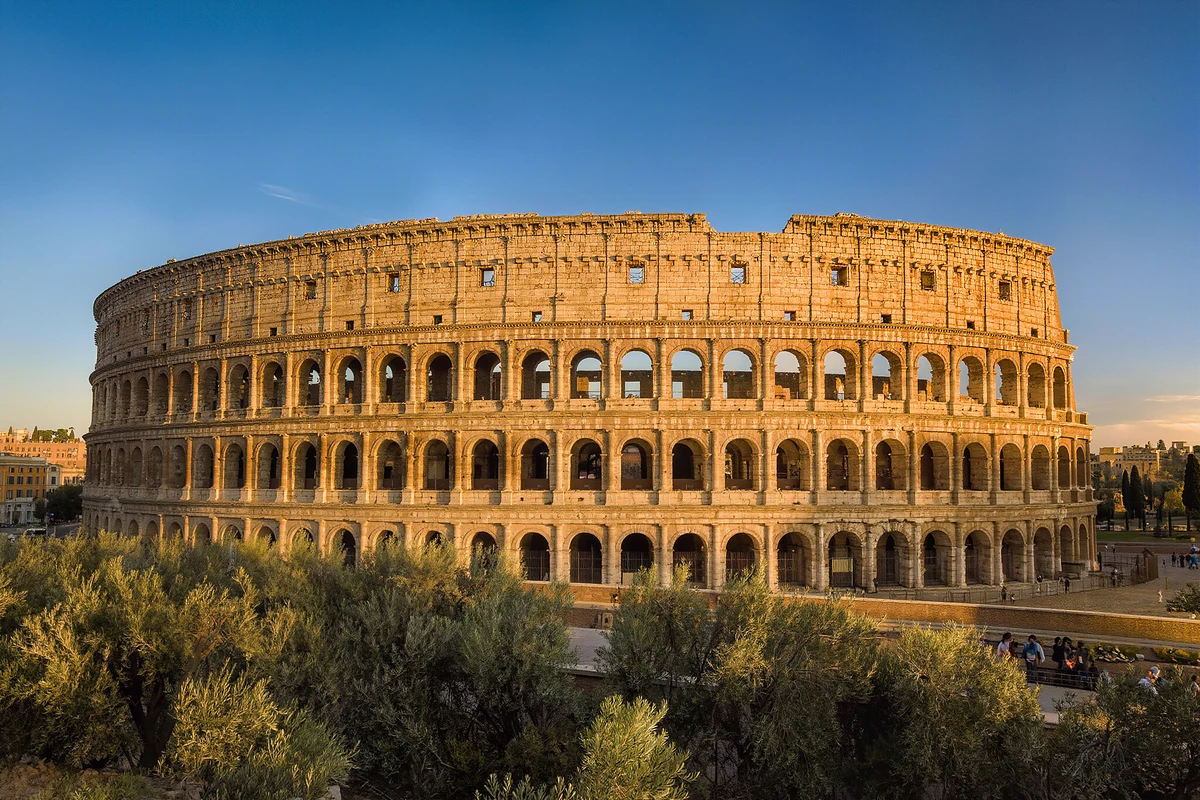
Sousse at first sight
Sousse is the third city of Tunisia and the capital of the Sahel, the fertile olive-growing coast between Tunis and Sfax. Founded by the Phoenicians as Hadrumetum, it later flourished under Rome and became a key port and fortress of the Aghlabid rulers in the ninth century. Today its UNESCO-listed medina sits beside long sandy beaches, making Sousse a lively base for history, sea and the deep south of the country.
Why include Sousse in your itinerary?
- A living medina with walls and fortresses intact. The Ribat, the Great Mosque and the Kasbah stand much as they did more than a thousand years ago, and the old town is still full of families, souks and workshops rather than empty monuments.
- Golden beaches and an easy seaside rhythm. A long corniche runs north from the city past sandy shores to the marina of Port El Kantaoui, perfect for sunny mornings, swimming and evening walks by the sea.
- The best launch pad for central and southern Tunisia. The great Roman amphitheatre of El Jem and the holy city of Kairouan are each about an hour away, and the Sahara, the salt lakes and the desert oases are within reach on an overnight journey.
Signature experiences in Sousse
The Medina, the Ribat and the Great Mosque
Sousse's medina is wrapped in almost two kilometres of ninth-century walls. Start at the Ribat, a fortified monastery where warrior-monks once kept watch over the coast, and climb the spiral stairs of its tower for a view over the rooftops. Across the square stands the Great Mosque of 851, plain and powerful like a fortress, its courtyard open to visitors outside prayer times. Then wander the covered souks for spices, ceramics, leather and copperware.
Mosaics of the Kasbah Museum
High in the south-west corner of the medina, the old Kasbah and its tower now hold the Sousse Archaeological Museum, one of the finest collections of Roman mosaics in the world. Gods of the sea, hunting scenes, wild animals and portraits of ancient Hadrumetum cover whole walls and floors in glowing colour. The museum is compact and calm, and its garden courtyard looks out across the city to the sea, a perfect quiet hour before the busy souks.
El Jem Amphitheatre and the Holy City of Kairouan
Inland, the plains of the Sahel open onto two of Tunisia's great sights. The Roman amphitheatre of El Jem, built in the third century, rises above a small town and remains remarkably complete, with tunnels beneath the arena where gladiators and animals once waited. Kairouan, the first Islamic city of the Maghreb, holds its Great Mosque, the Aghlabid water basins and the Mausoleum of the Barber with its tiled courtyards. A private day with a guide links them in an easy loop.
Two Days to the Sahara and the Film Set Villages
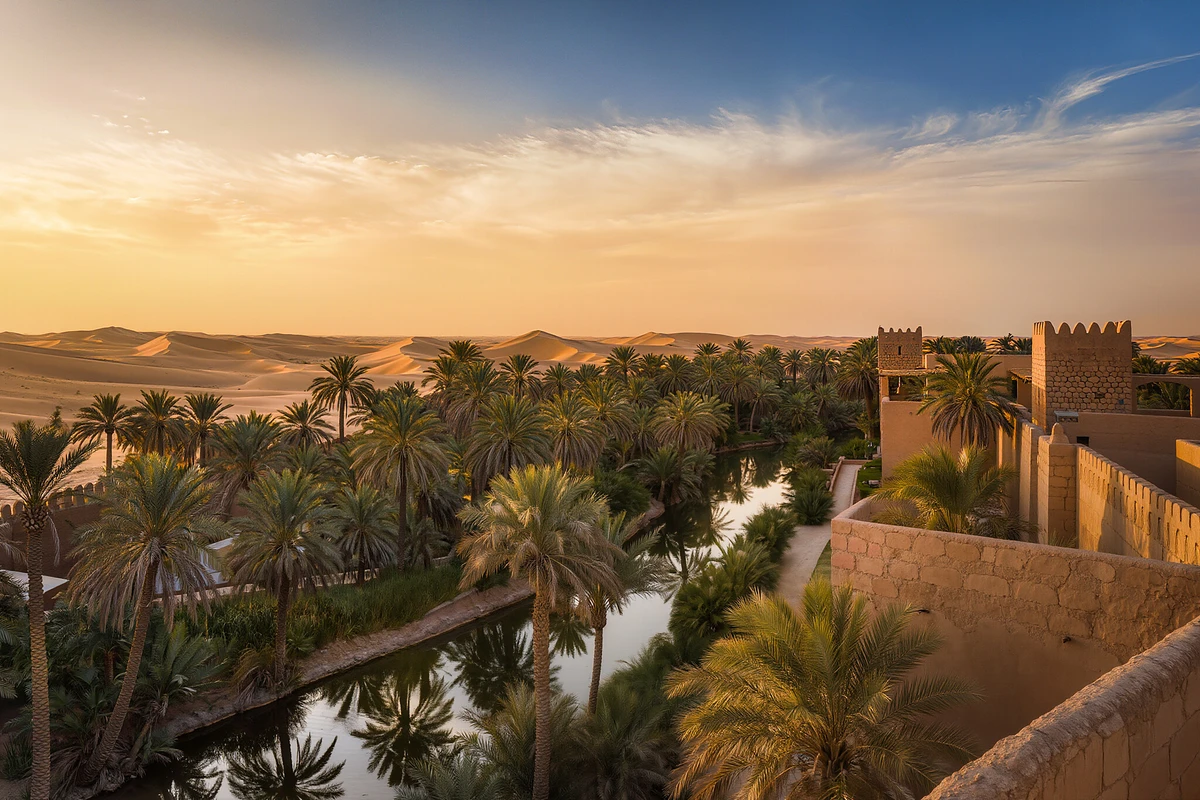
An overnight journey south leads through olive groves to Matmata, where Berber families carved their dwellings into the ground around deep courtyards, one of which was used for a world-famous science-fiction film. The road continues to Douz, the gateway to the dunes, where you can ride a camel at sunset, then across the shimmering salt lake of Chott el Jerid to the palm oasis of Tozeur and the desert film set villages of Ong Jemel, left standing in the sand.
The Corniche, Port El Kantaoui and the Sea
Sousse lives by the water. Walk the Boujaafar corniche at dusk, when families stroll, children ride bikes and cafés fill with mint tea and pastries. Ten kilometres north, the white Andalusian-style marina of Port El Kantaoui has a harbour promenade, gardens and gentle beaches, with boat trips along the coast in summer. Swim in calm, clear water from May to October and look out for fresh grilled fish, brik and couscous by the shore.
Neighbourhoods and quarters to know in Sousse
The Medina and City Centre
Staying in or beside the medina puts you within walking distance of the Ribat, the Great Mosque, the museum and the souks, as well as the train station and the louage taxis for El Jem and Kairouan. A handful of restored guesthouses offer traditional courtyards and rooftop views. It is busy and authentic by day and quiet after the shops close.
Boujaafar and the Corniche
The seafront north of the medina, along Avenue Habib Bourguiba and the Boujaafar beach, is the liveliest part of the modern city, with hotels, apartments, cafés and a long promenade. It suits travellers who want the beach right outside and the old town only a ten-minute walk away, with easy taxis everywhere.
Sahloul and Khezama
North of the centre, Khezama and Sahloul form the main resort strip of Sousse, lined with large beach hotels, family pools and gardens running down to the sand. Shopping centres and local restaurants are close by, and taxis reach the medina in about fifteen minutes. It is the most comfortable choice for families who want sea and sun with a quick ride into the city.
Port El Kantaoui
About ten kilometres north, Port El Kantaoui is a purpose-built marina village of white houses, palm trees and a harbour lined with cafés and shops. It is calm, neat and walkable, with golf courses, beaches and a small zoo and water park nearby. It suits couples and families who prefer a peaceful resort with day trips into Sousse.
How long to stay in Sousse and how to pair it
Recommended stay
We recommend three to four nights in Sousse. One day for the medina, the Ribat, the Great Mosque and the Kasbah museum, a second for a private day trip to El Jem and Kairouan, and a third for the beach and Port El Kantaoui. With two more days, join the overnight journey to the Sahara, Matmata, Douz and Tozeur.
How to pair it
Sousse pairs naturally with Monastir, about twenty minutes south, for its ribat and seafront, and with Hammamet, about one hour north, for beaches and a small medina. Tunis, the ruins of Carthage and the blue-and-white village of Sidi Bou Said are about two hours away. A week can combine Tunis, Sousse, El Jem, Kairouan and the desert south, with private transfers arranged by our team.
Best time to visit Sousse and the rhythm of the day
Best months
The best time to visit Sousse is April to June and September to October, when days are warm and sunny, the sea is pleasant and sightseeing inland is comfortable. July and August are hot and busy, ideal for beach days but tiring for long excursions. Spring and autumn are perfect for the Sahara, while winter is mild and quiet, good for the medina and the museums though too cool for swimming.
The daily rhythm
Sousse wakes early. Mornings are best for the medina, the Ribat and the Kasbah museum, before the heat and the shopping crowds. Middle of the day belongs to the beach, the pool or a long lunch in the shade, and many shops pause in the early afternoon. In the evening the corniche fills with families, the souks glow with lamps and cafés stay busy late, especially in summer and during Ramadan.
On-the-ground logistics in Sousse
Arrival
Monastir Airport (MIR) is the closest gateway to Sousse, about twenty to twenty-five minutes by road. Enfidha-Hammamet International Airport (NBE), which handles many international flights, is around forty-five minutes north, and Tunis-Carthage Airport (TUN) about two hours by motorway. Trains also link Sousse with Tunis and Monastir. We arrange private transfers that meet you at arrivals and drive you directly to your hotel.
Getting around
The medina and the city centre are best explored on foot, and yellow city taxis are cheap, metered and easy to find along the corniche. The light railway known as the Métro du Sahel links Sousse with Monastir and Mahdia, while shared louage taxis run to Kairouan and El Jem. For the amphitheatre, Kairouan or the Sahara, a private car with driver arranged by our team is the most comfortable and flexible choice.
Local etiquette tip
Tunisians are warm, hospitable and proud of their heritage. Greet people with assalamu alaykum or the French bonjour, and use your right hand when giving or receiving. Dress modestly in the medina and inland towns, covering shoulders and knees, and keep swimwear for the beach and pool. Non-Muslims may visit only parts of some mosques. Bargaining is normal in the souks, and leaving a small tip for good service is appreciated.
Must-do things in Sousse
- Climb the watchtower of the Ribat at sunrise
- Visit the courtyard of the Great Mosque of Sousse
- Admire the Roman mosaics of the Kasbah museum
- Get lost in the covered souks of the medina
- Walk the Boujaafar corniche at sunset
- Stand inside the Roman amphitheatre of El Jem
- Explore the Great Mosque and basins of Kairouan
- See the underground dwellings of Matmata
- Ride a camel into the dunes beyond Douz
- Stroll the marina of Port El Kantaoui
Do’s and don’ts in Sousse
Do
- Do start inland trips early in the morning
- Do dress modestly in the medina and Kairouan
- Do agree a fare before shared taxi rides
- Do carry some Tunisian dinars in small notes
- Do drink bottled water and wear sun cream
Don’t
- Don't photograph people without asking first
- Don't enter prayer halls without permission
- Don't accept unofficial guides in the souks
- Don't plan the desert in the midday heat
- Don't rush El Jem and Kairouan into an hour
Sousse at a glance
Plan Sousse with Haqqi Tours
Every option is confirmed by our team on WhatsApp before you pay, and delivered by our own people or by trusted local partners we work with in every city. Because we send travellers from all over the world, our partners give us special rates and priority, so you always receive the best. Prices are per person unless marked per vehicle.
About Haqqi Tours: About us Contact us Legal NoticePrivacy PolicyCookies & Marketing PreferencesTerms & ConditionsBooking, Payment & Refunds
More services in Sousse
Good to know
Frequently Asked Questions
Straight answers to what travellers ask most about Sousse.
Where should I stay in Sousse?
Most visitors stay along the corniche at Boujaafar or in the resort strip of Khezama and Sahloul, with beaches outside and the medina a short taxi ride away. Restored guesthouses in the medina suit travellers who want the old town at their door, while Port El Kantaoui is the calmest choice for families and couples. Our team suggests the best area for your plans and arranges your private transfer from the airport.
Is Sousse worth visiting from Tunis?
Yes. Sousse is about two hours from Tunis, but it deserves more than a day. The medina, the Ribat, the Great Mosque and the museum fill one rewarding day, and Sousse is the ideal base for El Jem, Kairouan and the Sahara, with beaches to rest between excursions. We arrange private day trips or transfers between the two cities.
What is the dress code and etiquette in Sousse?
Dress is relaxed in the resorts, but in the medina, in Kairouan and in villages it is respectful to cover shoulders and knees, and women may wish to carry a light scarf for mosque visits. Swimwear belongs on the beach and by the pool only. Greet people politely, ask before taking photos and expect friendly bargaining in the souks.
Is Sousse suitable for families and Muslim travellers?
Yes. Sousse is welcoming and easy for families, with long beaches, calm water, hotel pools, a small zoo and water park near Port El Kantaoui and camel rides in the desert. Tunisia is a Muslim country, so food is halal as standard, mosques are everywhere and the call to prayer is part of daily life. Ramadan brings special evening atmosphere, and our team can advise on restaurants and prayer times.
Is it safe to travel to Sousse now?
Sousse is generally considered safe for travellers, and the resort areas and medina are well policed. Take normal care with belongings in busy souks, use official taxis and agree terms clearly with guides, and protect yourself from the sun on desert trips. Check your own government's official travel advice before departure, and keep our WhatsApp line handy throughout your stay.
What are the must-do things in Sousse?
The must-do things in Sousse include the Ribat and its tower, the Great Mosque, the Kasbah museum and its mosaics, the souks of the medina and the corniche at sunset, plus day trips to the amphitheatre of El Jem and the holy city of Kairouan and an overnight journey to Matmata, Douz and Tozeur. Our private tours combine these in the best order and timing.
How many days do you need in Sousse?
Three to four days is ideal for Sousse: one for the medina and museum, one for El Jem and Kairouan, and one or two for the beach and Port El Kantaoui. Add two more days for the Sahara and the film set villages. Two days covers the city and one inland trip at a quicker pace.
What can I book in Sousse with Haqqi Tours?
Day tours, including Private El Jem and Kairouan Day Trip from Sousse and 2-Day Sahara Desert and Film Set Villages Tour from Sousse. Each has its own page, and the WhatsApp desk combines any of them into one plan with one written price.
How do I get from the airport to my hotel in Sousse?
With a private transfer: a driver at arrivals, flight tracking and a fixed price for the whole vehicle, door to door. Tell the desk the flight number and the hotel.
Is there public transport from the airport to Sousse?
Public options vary by airport and end at a station rather than your hotel; the private transfer starts at the arrivals door and ends at your door.
Which tours are available in Sousse?
Among them: Private El Jem and Kairouan Day Trip from Sousse and 2-Day Sahara Desert and Film Set Villages Tour from Sousse. Each page says whether the day is private or small-group, what it includes and how long it lasts.
Are the tours private or in a group?
Both exist, and each tour page says which. A private tour has a vehicle and guide for your party alone; the desk can make most group tours private on request.
How do I book?
Fill in the form on any page or message us on WhatsApp with the date, the number of travellers and the hotel. A member of our team confirms the price and the details in writing within minutes.
Are the prices fixed?
Yes - every price is agreed in writing on WhatsApp before you travel and does not change on the day.
Do the drivers and guides speak Arabic or English?
It depends on the city and the day, so we do not promise a particular language; tell us your preference and we do our best. The WhatsApp desk always works in Arabic and English.
Can I change or cancel a booking in Sousse?
Yes, in the same WhatsApp conversation. The terms depend on the product and on how close to the date the change comes; the desk states them before you pay.