A History of Terror Walking Tour Belfast
- Duration2.5 hours
- Daily
- Group
Some images are AI-generated for illustration. While we confirm your booking, just ask and we will send you the original photos.
- Fair, honest prices
- Real people, not bots
- Confirm, then pay
- Secure payment

Overview
A History of Terror is a 2.5-hour Belfast Troubles walking tour that uses the city centre itself as the classroom. Starting at the front gates of Belfast City Hall, a local expert guide leads a shared group through ten stops: streets where major bombings and attacks took place, the line of the old security cordon, quiet memorial points and the Forgotten Troubles Memorial. The telling is balanced and respectful, never sensational. It explains how centuries of division led to the conflict of the late 1960s, how ordinary people lived through it and how peace was finally reached. Audio headsets keep every word clear. The route covers about 1.5 miles (2.4 km) of flat ground, runs in English only and suits adults and teenagers from 12. There is no hotel pickup.
Highlights
- Shared walking tour led by a local expert guide, in English
- Audio headsets so you hear the guide clearly on busy streets
- Belfast City Hall and the long story of how the conflict began
- City-centre sites of major Troubles-era bombings and attacks
- The line of the former security cordon, the 'ring of steel'
- The Forgotten Troubles Memorial and other places of reflection
- A balanced account of the peace process and the city's recovery
- Flat, step-free route of about 1.5 miles (2.4 km) with ten stops
Full Description
Belfast City Hall and Donegall Square
The tour begins at the front gates of Belfast City Hall on Donegall Square North, the natural centre of the city. The building was completed in 1906, eighteen years after Belfast was granted city status, on the site of the old White Linen Hall. Its Portland stone façades and green copper dome announced the confidence of a town that had grown rich on linen, rope-making and shipbuilding, and the building still dominates the square today.
Here your guide sets the scene for everything that follows: how centuries of settlement, religion and politics divided Ireland, how the island was partitioned in the early 1920s, and why the civil rights marches of the late 1960s turned into three decades of conflict. Visitors often ask about Belfast City Hall opening hours and its interior tours; those are separate from this walk, which stays outdoors, but the lawns and monuments around the building are well worth returning to afterwards.
The city-centre streets where the Troubles unfolded
From the square the route moves into the shopping streets and narrow lanes that were front-line territory between the late 1960s and 1998. More than 3,500 people lost their lives during the conflict, and central Belfast was a repeated target: shops, offices and transport hubs were bombed, most notoriously on 21 July 1972, a day remembered as Bloody Friday, when around twenty bombs exploded across the city in little more than an hour.
At each stop the guide stands where an event happened and explains what took place, who was involved – paramilitary groups, the police and the British Army – and what it meant for the people working and shopping there. Nothing is staged and nothing is graphic; the force of this Belfast Troubles tour lies in seeing ordinary streets with new eyes. If you are wondering whether a Troubles tour in Belfast is worth doing, this is the part of the walk that answers the question.
The ring of steel: Belfast's former security cordon
In the early 1970s, after a wave of car bombs, the authorities fenced off the main shopping district. Steel gates and barriers closed the streets leading into the centre, vehicles were kept out, and everyone entering on foot passed through search points where bags and coats were checked. Locals called it the ring of steel, and for years it shaped how the heart of the city looked, sounded and felt.
The gates were removed step by step as security eased, and today there is very little to show where they stood, which is exactly why a guide matters. You are shown where the cordon ran, hear what an ordinary shopping trip involved and learn how being searched became part of normal life for a whole generation. It also sheds light on something visitors notice at once: how much of central Belfast is given over to pedestrians, a pattern many people link to those years.
Memorial points and the Forgotten Troubles Memorial
Belfast remembers the conflict in many ways, and several stops on the route are places of quiet reflection rather than scenes of events. Your guide explains whom each one honours and why remembrance itself can still be a sensitive subject in a city where neighbouring communities carry very different memories of the same years.
The walk includes the Forgotten Troubles Memorial, where the focus turns to the people behind the figures and, as the name suggests, to those whose stories have received the least attention. This is also where the guide speaks openly about the challenges that remain, from the long shadow of loss to the divisions that have not disappeared. Photos are usually fine, but please keep your voice low and leave space for anyone who has come to remember someone. For many visitors this is the moment when the history stops being abstract and becomes personal.
From the Good Friday Agreement to Belfast today
The final part of the walk follows the road to peace: the ceasefires of the 1990s, the long negotiations, and the agreement reached on Good Friday, 10 April 1998, which voters on both sides of the Irish border endorsed the following month. The guide explains what the agreement changed, what it left unresolved and why, despite setbacks, the peace has held.
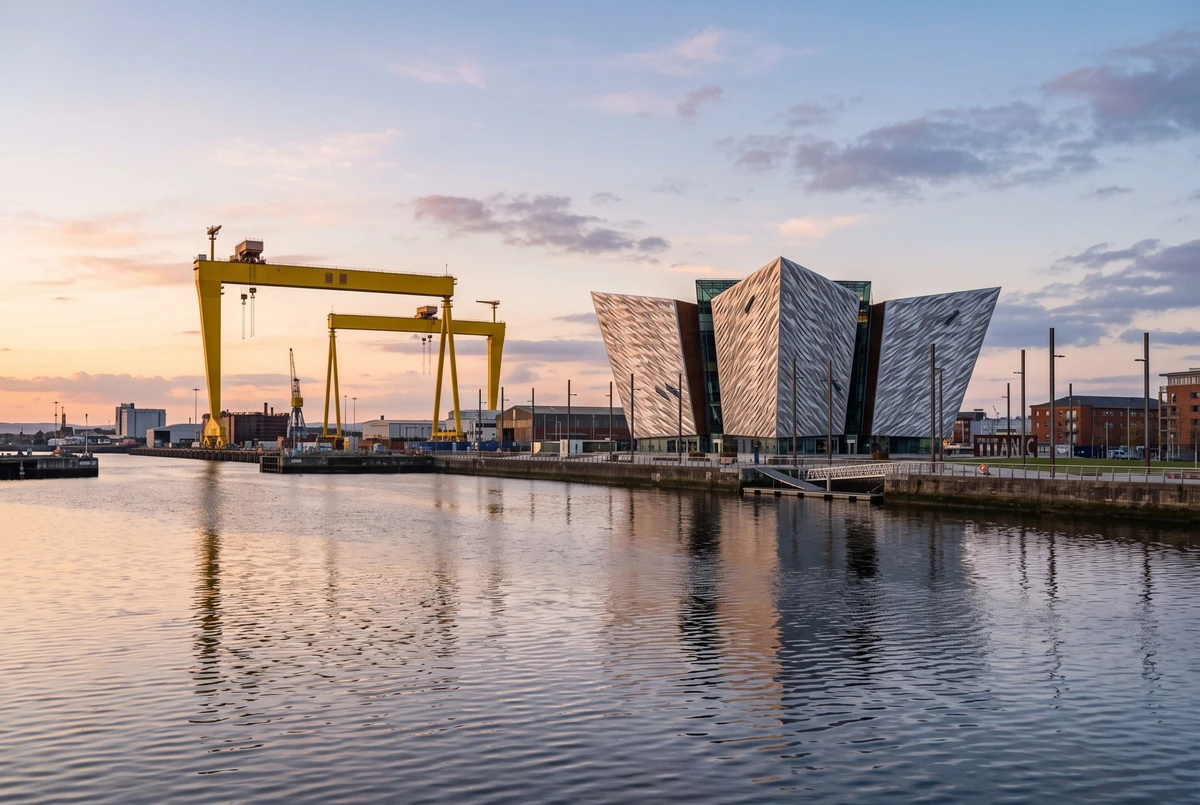
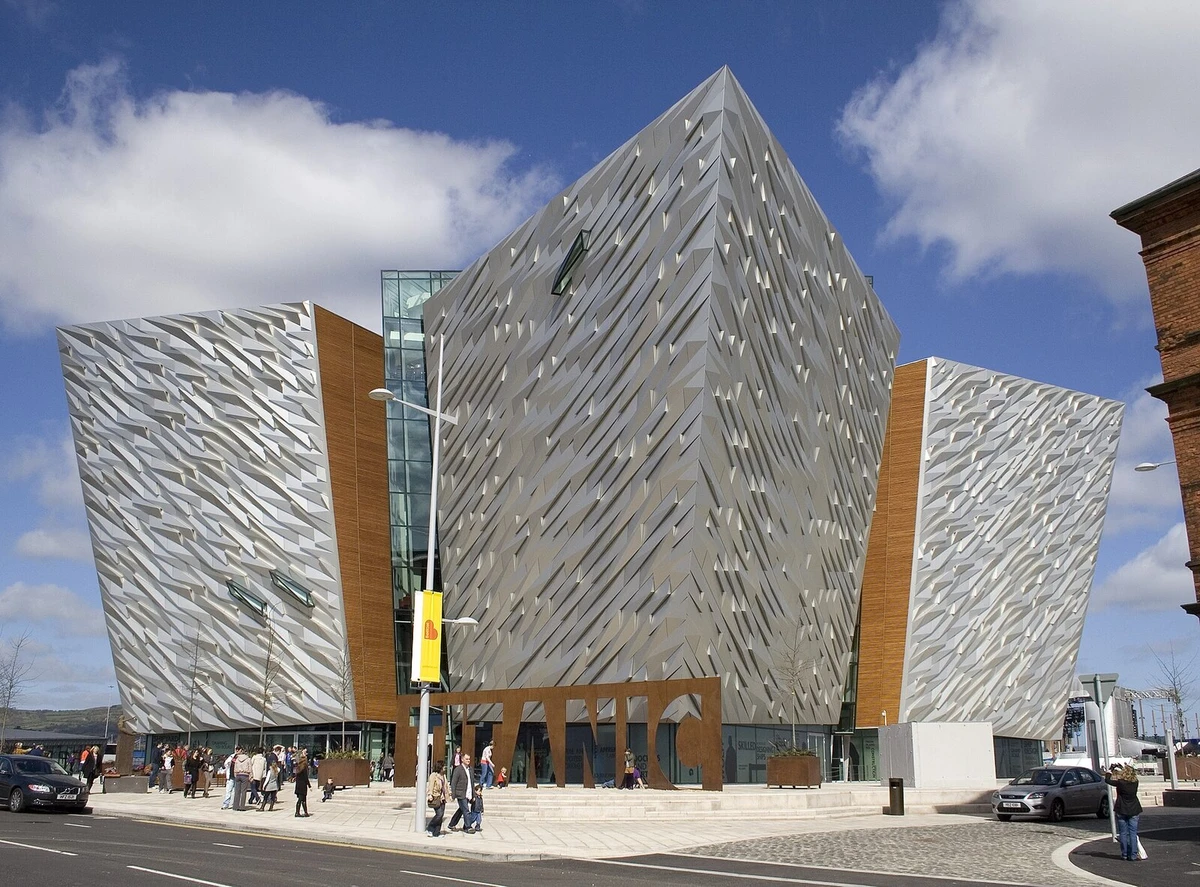
You finish in a city centre that has changed beyond recognition, with restored Victorian buildings, busy shops and restaurants, and visitors from all over the world. The best time to visit Belfast for a walk like this is from spring to early autumn, when the days are long and mild, although the tour runs all year in any weather. From the end of the route you are well placed to continue on your own to the Cathedral Quarter, the riverside or the Titanic Quarter, now with the background to understand what you see.
Itinerary
- Meet at Belfast City HallMeet your guide at the front gates on Donegall Square North, 10 minutes before the start, and collect your audio headset.
- Introduction: eight centuries in briefAt City Hall the guide outlines the history that led to the Troubles, from early settlement and partition to the civil rights years of the 1960s.
- Sites of bombings and attacksA walk through city-centre streets with several stops at places where major Troubles-era events occurred, each explained in context.
- The former security cordonSee where the gates and search points of the 'ring of steel' once stood and hear how daily life worked around them.
- Memorial and reflection pointsQuieter stops where the guide talks about the human cost of the conflict and how the city remembers it.
- The Forgotten Troubles MemorialA visit to the memorial and a frank account of the challenges Belfast still faces.
- The path to peace and the end of the tourThe story of the peace process and the city's regeneration; the walk ends in the city centre after about 2.5 hours.
What's included
- Local expert guide (English)
- Audio headsets to hear the guide clearly at all times
- Guided walk of about 1.5 miles (2.4 km) with 10 stops in Belfast city centre
- Visit to the Forgotten Troubles Memorial
Not included
- Optional gratuities
- Food and drinks
- Hotel pickup and drop-off
Is this right for you?
Great for
- First-time visitors who want the highlights
- A half-day plan — about 2.5 hours
- Travellers who want a proven choice — rated 4.9/5 by past travellers
Think twice if
- You want a private tour — this one is shared with other travellers
- Walking is difficult for you — expect active parts
Not suitable for
- Children under 12 years
- Guests without a good level of English, as the tour is given in English only
Meeting point
There is no hotel pickup for this tour. Meet your guide at the front gates of Belfast City Hall, on Donegall Square North in the very centre of Belfast, and please arrive 10 minutes before the start time shown on your booking so that headsets can be handed out. The walk starts on time and goes ahead in all weather. Once your booking is confirmed, our team sends you the meeting details and start time on WhatsApp.
Important information
- The tour is given in English only; a good standard of English is needed to follow the guide's explanations.
- It takes place in all weather: check the forecast, bring a waterproof jacket, and dress warmly in the winter months.
- Wear comfortable shoes. The route is about 1.5 miles (2.4 km) and completely flat, with no hills or steps, and it is wheelchair accessible.
- Please arrive 10 minutes before the start time; the group leaves punctually from the City Hall gates.
- Not suitable for children under 12: the subject matter deals with violence and loss. Teenagers from 12 are welcome and book at the adult price.
- This is an outdoor walk through public streets; no building interiors or admission tickets are involved.
- Food and drinks are not included, so eat beforehand and carry a bottle of water.
- Gratuities for the guide are optional.
Good to know
Frequently Asked Questions
Straight answers to what travellers ask us most, before they book.
Is this a shared or a private experience?
It is a shared walking tour. You join other travellers and one local expert guide, and every guest receives an audio headset so the guide can be heard clearly even on busy streets.
How long does the Belfast Troubles walking tour take?
About 2.5 hours. The route covers roughly 1.5 miles (2.4 km) with ten stops, so most of the time is spent standing and listening rather than walking.
Is hotel pickup included?
No. The tour starts at the front gates of Belfast City Hall on Donegall Square North, which is in the middle of the city and easy to reach on foot from most central hotels.
What is included?
A local expert guide, an audio headset for each guest, the guided walk through ten city-centre stops and the visit to the Forgotten Troubles Memorial. Food, drinks, hotel transfers and optional gratuities are not included.
Is the price per person or per group?
The price is per person. The booking panel on this page shows the current price for your date. There is no separate child rate: teenagers from 12 book at the adult price.
Is it suitable for children or for travellers with reduced mobility?
It is not suitable for children under 12 because of the subject matter. For reduced mobility the route is a good choice: central Belfast is flat, there are no hills or steps, and the tour is wheelchair accessible.
What should I bring?
Comfortable shoes, clothing suited to the weather and a waterproof jacket. In winter add a warm layer, a hat and gloves, as you will be standing outdoors for much of the time. A bottle of water is useful too.
What is the best time of year for this tour?
The tour runs throughout the year. Spring to early autumn brings longer days and milder temperatures, while winter walks are quieter and atmospheric but cold. Whatever the season, Belfast weather changes quickly, so come prepared for a shower.
What happens in bad weather?
The tour goes ahead regardless of the weather. Rain is common in Belfast, so a waterproof jacket is strongly recommended, and warm clothing is essential in the colder months.
Does the tour take a side in the conflict?
No. The walk is designed to be neutral, carefully researched and respectful. The guide explains the positions and experiences of the different communities and of the security forces, so that you understand not only what happened but why.
Does this tour visit the peace walls and murals of west Belfast?
No. This is a city-centre walk that starts at City Hall and stays in the central streets. The peace walls and the murals are in other districts and are not part of this route, though the tour gives you excellent background if you plan to see them separately.
How do I book and confirm?
Choose your date in the booking panel and send your request. Our team confirms your place on WhatsApp within minutes and sends you the meeting point and start time.
More in Belfast
Getting to & around Belfast
Popular across United Kingdom
-
-
-
-
-
-