Uluru Astronomy Tour with Telescope and Night Sky Photo
- Duration2.5 hours
- Daily
- Group
- Pickup available
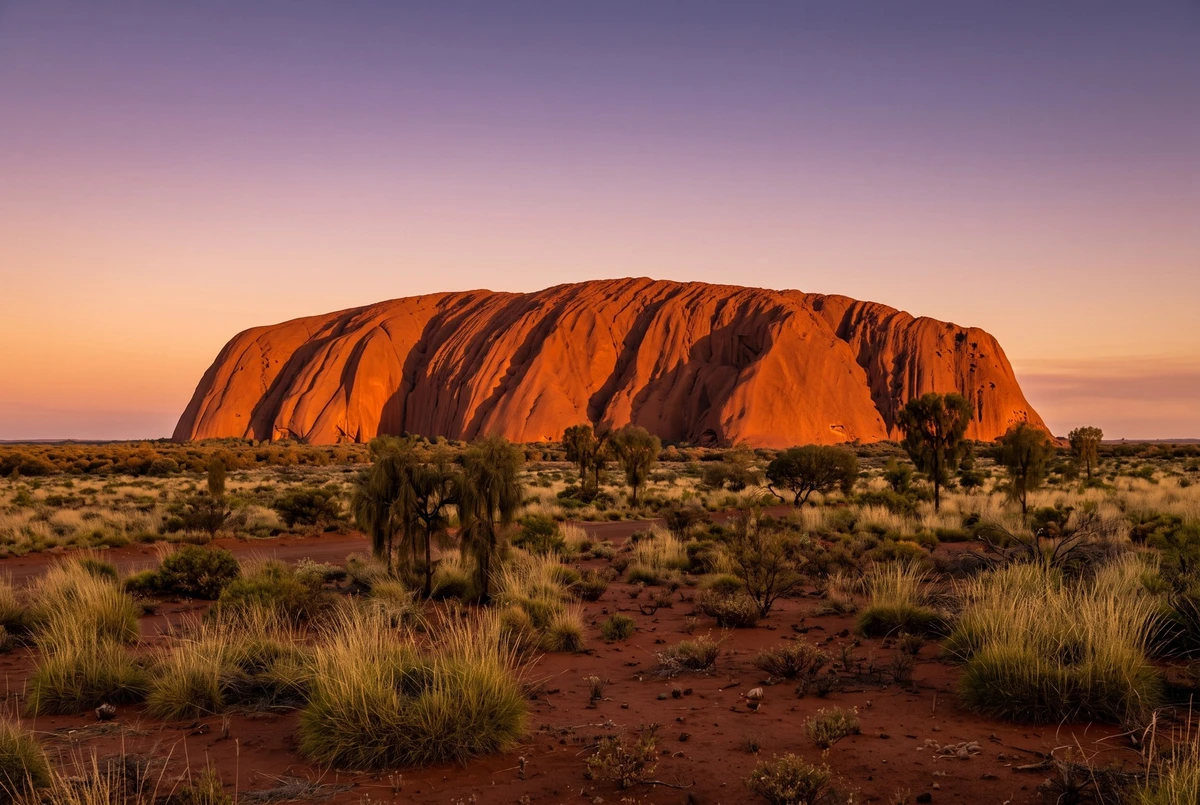
Some images are AI-generated for illustration. While we confirm your booking, just ask and we will send you the original photos.
- Fair, honest prices
- Real people, not bots
- Confirm, then pay
- Secure payment

Overview
This Uluru stargazing tour takes you out of Yulara after dark to a viewing site inside Uluru-Kata Tjuta National Park, far from artificial light, where the desert sky is among the clearest on Earth. For about two and a half hours, astronomy guides point out the constellations of the southern sky, the Milky Way and the Magellanic Clouds, explain how Aboriginal people read the stars, and let you look through powerful telescopes and binoculars at planets, star clusters and nebulae. A professional photographer takes your portrait under the stars, sent to you digitally afterwards. It is a shared small-group evening tour with pickup and drop-off at your accommodation in Yulara, and it suits couples, families with children aged two and up, and anyone curious about the night sky.
Highlights
- Stargazing inside Uluru-Kata Tjuta National Park, away from light pollution
- Planets, star clusters and nebulae through powerful telescopes
- The Milky Way, the Southern Cross and the Magellanic Clouds explained by astronomy guides
- Stories of the sky from Aboriginal astronomy
- Professional digital photo of you under the stars
- Pickup and drop-off at your accommodation in Yulara
- No National Park pass needed for this evening tour
Full Description
Uluru-Kata Tjuta National Park at night
Uluru-Kata Tjuta National Park protects the great sandstone monolith of Uluru and the domes of Kata Tjuta in the red heart of Australia. It is a dual World Heritage Site, listed for both its natural landscape and the living culture of the Anangu, its traditional owners, who jointly manage the park. By day most visitors come for the base walk and the sunset viewing areas, but after dark the park becomes one of the finest natural observatories in the country.
There are no cities for hundreds of kilometres, the air is dry and the horizon is wide, so on a moonless night thousands of stars appear to the naked eye. This Uluru night sky tour sets up its telescopes at a dark site within the park, with the outline of the desert around you. Guests do not need their own park pass for the evening, which makes the experience simple to add to any stay in the outback.
The southern night sky and the Milky Way
The sky over central Australia shows objects that travellers from the northern hemisphere rarely see. The bright core of the Milky Way passes almost overhead for much of the year, the Southern Cross and its two pointer stars help you find south, and the Large and Small Magellanic Clouds, two neighbouring galaxies, look like soft patches of light beside it. Your guides use laser pointers to trace constellations and explain how the sky turns through the night and the seasons.
The best time to visit Uluru for stargazing is around the new moon, when the sky is darkest, and the cooler months from May to September often bring the clearest air, although nights in the desert can be cold at any time of year. In summer the evenings are warmer and the Milky Way core is still easy to see. Whatever the date, the guides adapt the program to what is visible that evening.
Telescopes, binoculars and Aboriginal astronomy
The heart of this Uluru astronomy tour is time at the eyepiece. Powerful telescopes are aimed at whatever is best placed that night: the rings of Saturn, the cloud bands and moons of Jupiter, craters on the Moon, glittering star clusters, double stars of different colours and distant nebulae where new stars are forming. Binoculars are passed around for wider views of the Milky Way.
Between observations the guides share how Aboriginal people have used the stars for thousands of years to mark seasons, travel and tell stories. One of the best known is the Emu in the Sky, a shape formed not by stars but by the dark dust lanes of the Milky Way, which rises in the evening at the time of year when emus lay their eggs. Questions are welcome throughout, and no knowledge of astronomy is needed to enjoy the session.
Your photo under the stars and Yulara
During the evening a professional photographer captures your portrait against the star-filled sky using a long exposure and gentle lighting, so both you and the Milky Way come out sharp. The digital photo is available to download after the tour, a memorable keepsake of a night in the outback. If you enjoy astrophotography, you are welcome to bring your own camera and tripod and take your own shots.
Pickup and drop-off are at your accommodation in Yulara, the small resort town just outside the park that serves as the base for every visit to Uluru. Because the tour is only two and a half hours, it fits easily after a sunset viewing and dinner, and you are back in bed in good time for an early sunrise trip the next morning.
Itinerary
- Pickup in YularaWe collect you from your accommodation in Yulara in the evening, around 20:35, and drive a short way into the national park.
- Arrival at the stargazing siteSettle in at a dark viewing area inside Uluru-Kata Tjuta National Park while your eyes adjust to the night.
- Guided tour of the night skyThe guides introduce the constellations, the Milky Way and the Magellanic Clouds, along with stories from Aboriginal astronomy.
- Telescope and binocular viewingTake turns at the telescopes to see planets, star clusters and nebulae; this is the longest part of the evening.
- Photo under the starsA professional photographer takes your portrait with the night sky behind you, for download later.
- Return to YularaDrive back to your accommodation, about two and a half hours after pickup.
What's included
- Pickup and drop-off at your accommodation in Yulara
- Live astronomy guides speaking English or Chinese
- Use of powerful telescopes and binoculars
- Guided tour of the southern night sky and Aboriginal astronomy
- Professional digital photo under the stars, to download later
- No National Park pass needed for this tour
Not included
- Meals and drinks
- Warm clothing (bring your own)
- Personal expenses
Is this right for you?
Great for
- Families with children — a child price for ages 2–15
- Travellers without a car — hotel pickup is included
- A half-day plan — about 2.5 hours
Think twice if
- You want a private tour — this one is shared with other travellers
Meeting point
Pickup is included from your accommodation in Yulara, the resort town beside Uluru-Kata Tjuta National Park. The tour starts around 20:35 and we confirm your exact pickup time after booking; please be ready in the lobby or at the main entrance a few minutes early. At the end of the evening you are dropped back at the same place.
Important information
- Bring warm clothing: desert nights can be cold, especially from May to September
- Wear closed-toe shoes for walking on uneven ground in the dark
- Bring a reusable water bottle
- No National Park pass is needed for this tour
- Astrophotographers may bring their own camera and tripod
- Cloud can affect telescope viewing; the guides adapt the program to the conditions
- Avoid using bright white torches or phone screens at the site to keep everyone's night vision
Good to know
Frequently Asked Questions
Straight answers to what travellers ask us most, before they book.
Is this a shared or a private experience?
It is a shared evening tour in a small group, with astronomy guides looking after everyone at the stargazing site.
How long does the Uluru stargazing tour take?
About two and a half hours from pickup to drop-off, starting around 20:35.
Is hotel pickup included?
Yes. We pick you up from your accommodation in Yulara and drop you back there at the end of the tour.
What is included?
Pickup and drop-off, live astronomy guides in English or Chinese, use of telescopes and binoculars, and a professional digital photo of you under the stars.
Is the price per person or per group?
The price is per person, with a lower rate for children; the booking panel on this page shows the current price of each option.
Is it suitable for children or reduced mobility?
Children from two years old are welcome and usually love the telescopes. The site is on natural ground in the dark, so let us know in advance about any mobility needs.
What should I bring?
Warm clothing, closed-toe shoes and a reusable water bottle. A camera and tripod are optional if you want to take your own night photos.
When is the best time for stargazing at Uluru?
Nights close to the new moon are darkest, and the dry, cool months from May to September often give the clearest skies. The Milky Way is impressive all year.
What happens if it is cloudy?
The guides work with any gaps in the cloud and adapt the program. If the tour cannot run because of the weather, we help you change the date or arrange a refund.
Do I need a National Park pass?
No. Guests do not need to bring their own Uluru-Kata Tjuta National Park pass for this evening tour.
Can I see Uluru itself at night?
The rock appears only as a dark outline on the horizon after dark; the focus of the evening is the sky above the park.
How do I book and confirm?
Choose your date on this page and book online; our team confirms the details and your pickup time on WhatsApp within minutes.
More in Uluru
Popular across Australia
-
-
-

-
-
-