

Salalah
Plan Salalah with Haqqi Tours: day tours, private airport transfers, attraction tickets and packages, run by our own team and confirmed on WhatsApp in Arabic or English.
Early morning in the khareef, a soft mist rolls down from the Dhofar mountains over Salalah. The hills that stand brown and bare for most of the year are suddenly draped in green, camels graze on wet meadows above the city, and waterfalls pour into the pools of Wadi Darbat. Down on the coast, coconut palms and banana groves line the roads to Al Haffa, where the scent of frankincense drifts from the souq and the Arabian Sea breaks white along the endless beach.
Nothing matches those filters yet. Widen your search or message us on WhatsApp.
Salalah Day Tours
View all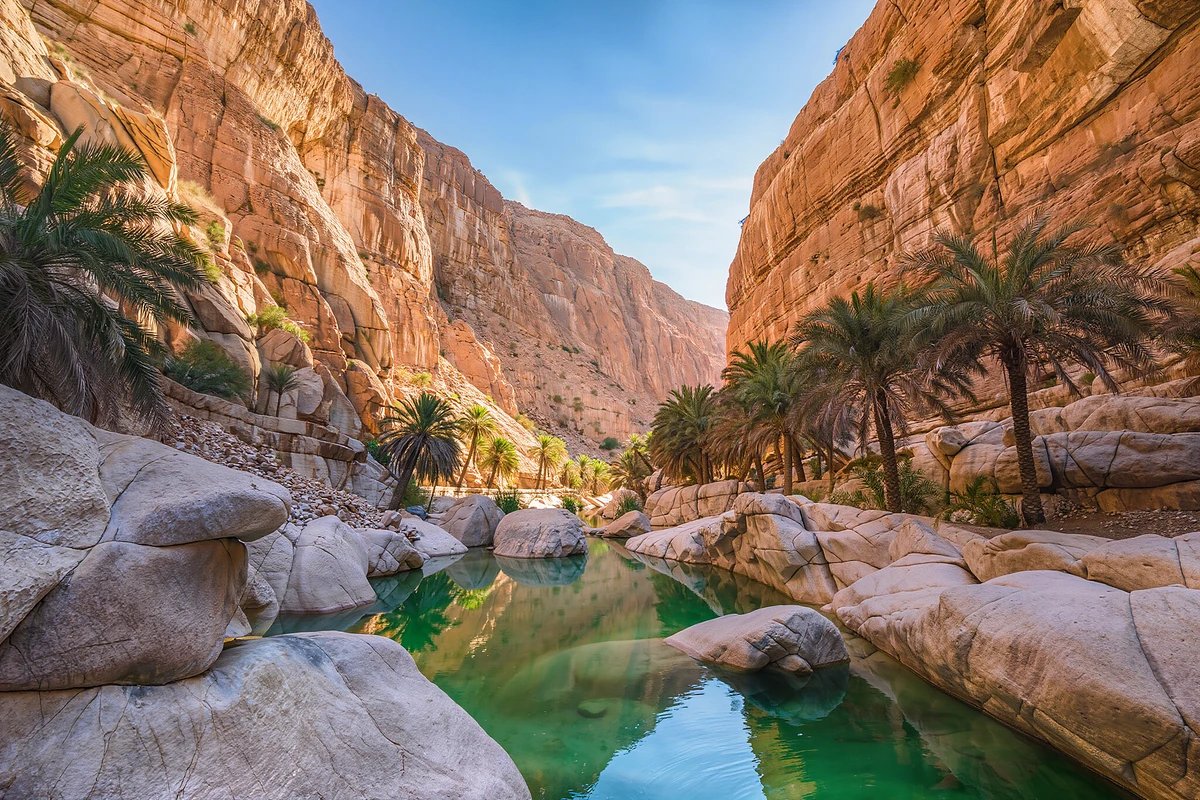
Salalah at first sight
Salalah is the capital of Dhofar, the southern governorate of Oman, set on a fertile plain between the Arabian Sea and a crescent of mountains. For thousands of years this coast traded frankincense, harvested from trees that still grow wild in the wadis, and the ruined ports of Al Baleed and Sumhuram are listed by UNESCO as the Land of Frankincense. Today Salalah is a relaxed, green city of gardens and beaches, famous across the region for its summer monsoon.
Why include Salalah in your itinerary?
- A green monsoon in the heart of Arabia. From roughly late June to early September the khareef brings mist, drizzle and cool air, turning the mountains, wadis and waterfalls of Dhofar into a landscape unlike anywhere else on the peninsula.
- The ancient Land of Frankincense. Wild frankincense trees in Wadi Dawkah, the ruins of Al Baleed and Sumhuram and the incense stalls of Al Haffa tell the story of one of the oldest trade routes in the world.
- Beaches, cliffs and the edge of the Empty Quarter. West of the city, white coves lie below dramatic cliffs, while a few hours north the great dunes of the Rub al Khali glow red at sunset.
Signature experiences in Salalah
Wadi Darbat, Jabal Samhan and the Great Sinkhole
East of Salalah, a full-day journey climbs into the mountains of Dhofar. Wadi Darbat, about forty-five minutes from the city, is a green valley of pools, travertine cliffs and, in the khareef, rushing waterfalls, with camels and cattle grazing beside the water. The road continues to the vast sinkhole of Tawi Atair, where swifts and pigeons circle far below, and up to the viewpoints of Jabal Samhan, with cliffs falling sharply towards the coastal plain and the sea.
West Salalah, Al Mughsail and the Fazayah Beaches
West of the city, the coast road reaches Al Mughsail, a long white beach where the Marneef blowholes shoot sea spray high into the air on rough days. Beyond, a winding mountain road with hairpin bends drops to Fazayah, a string of turquoise coves and white sand beaches framed by limestone cliffs, often called the Caribbean of the East. Outside the khareef the water is calm and inviting for swimming, while in the monsoon the sea is rough and swimming is not safe.
Sunset in the Empty Quarter
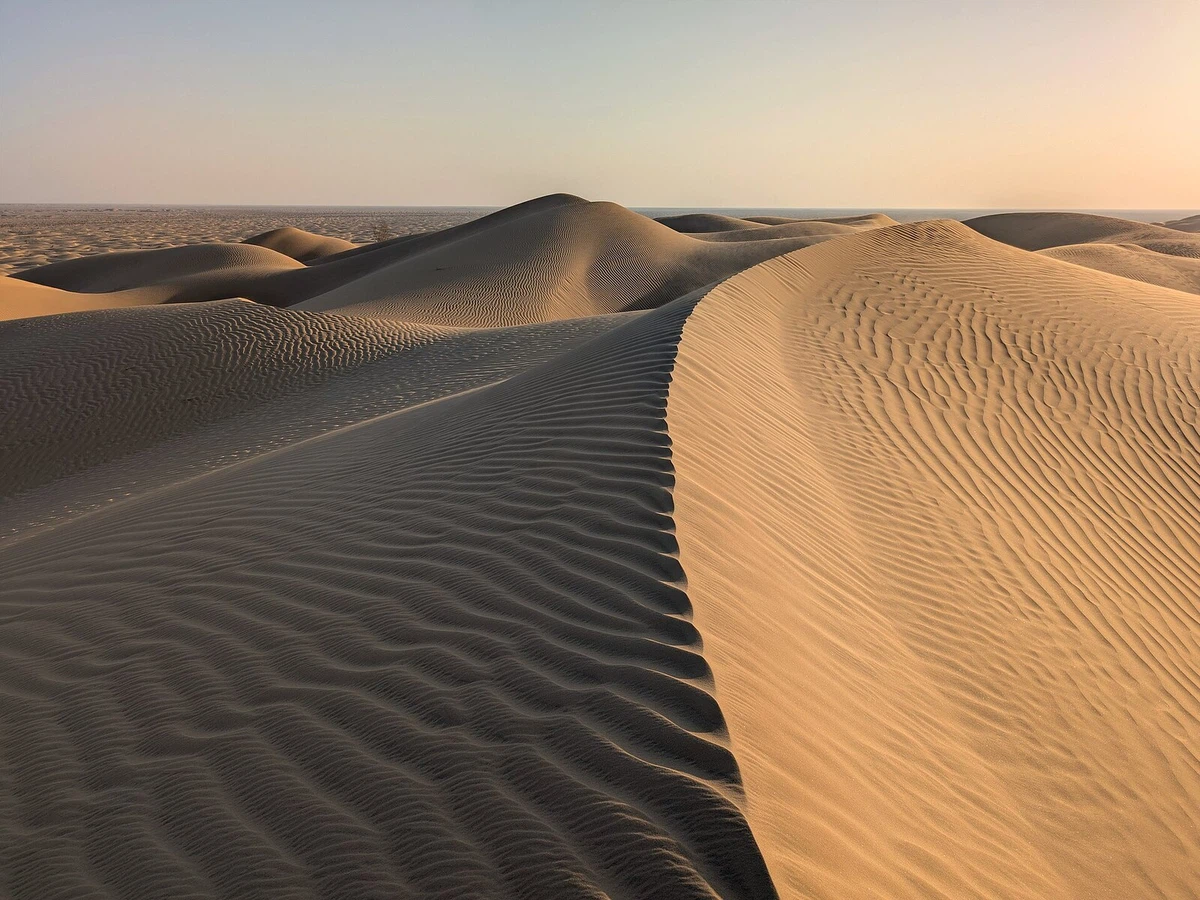
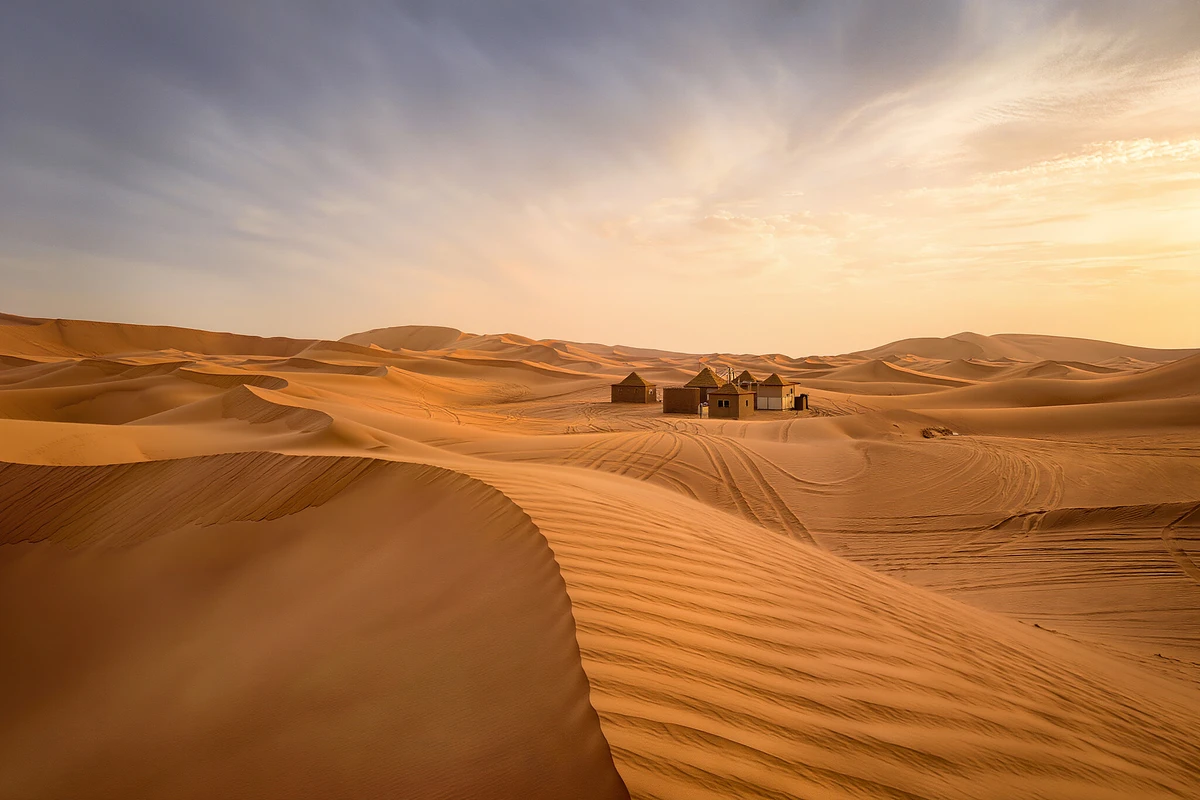
North of the mountains, beyond the town of Thumrait, the land opens into the Rub al Khali, the Empty Quarter, the largest sand desert on the Arabian Peninsula. A half-day four-wheel-drive journey of around two and a half to three hours each way leads across gravel plains to the first great dunes, where you can climb to a ridge, try dune driving with an experienced driver and watch the sun sink over the sand, with Arabic coffee and dates before the drive back.
The Full Khareef Experience, East and West
During the monsoon, a full day east and west reveals Salalah at its greenest. Visit the springs of Ayn Razat and Ayn Athum among dripping trees, the green slopes above the city where mist hangs over the road, the waterfalls of Wadi Darbat, the rugged coast at Al Mughsail and the mountain viewpoints of the west. Local families picnic everywhere, roadside stalls sell fresh coconuts and grilled corn, and the cool air feels a world away from the summer heat elsewhere.
Historical Salalah, Frankincense and Food
A city tour begins at Al Baleed Archaeological Park, the ruins of a medieval port beside a lagoon, with its excellent Museum of the Frankincense Land. Then wander the old quarter of Al Haffa and its souq of frankincense, incense burners, perfumes and Dhofari textiles, stop at the coconut and banana stalls along the coast road, and taste local dishes such as grilled fish, harees, mashuai and Omani halwa with cardamom coffee. Halal food is the norm throughout Salalah.
Neighbourhoods and quarters to know in Salalah
Al Haffa and the Seafront
The old quarter of Al Haffa, beside the beach and the frankincense souq, is the most traditional part of Salalah, with coconut palms, mosques, small markets and the ruins of Al Baleed nearby. It has a few hotels and many apartments within walking distance of the sea, and suits travellers who want local life and easy access to the souq and the city tour sites.
The City Centre
The modern centre of Salalah, with its main streets, malls, banks and restaurants, is practical and well connected, about fifteen minutes from the airport. Business hotels and serviced apartments make it a convenient base for families planning day trips both east and west, with supermarkets and plenty of places to eat close at hand.
Al Dahariz and the Eastern Beaches
Al Dahariz and the long beaches east of the centre are quieter and greener, with banana and coconut plantations, beach resorts and calm stretches of sand facing the Arabian Sea. They suit couples and families who want a seaside stay, and they lie conveniently on the road towards Taqah, Wadi Darbat and Mirbat.
Taqah and Mirbat
East along the coast, the fishing towns of Taqah, about forty minutes from Salalah, and Mirbat, around an hour away, have old forts, whitewashed houses with carved wooden windows and a slower pace. A few resorts and guesthouses make them a peaceful base close to Sumhuram, Wadi Darbat, Tawi Atair and the heights of Jabal Samhan.
How long to stay in Salalah and how to pair it
Recommended stay
We recommend three to four nights in Salalah. One day for the east with Wadi Darbat, Tawi Atair and Jabal Samhan, a second for the west with Al Mughsail and the Fazayah beaches, a third for the city, Al Baleed and the souq of Al Haffa, and a fourth for a sunset trip to the Empty Quarter. In the khareef, an extra day helps if mist or rain changes plans.
How to pair it
Salalah pairs naturally with Muscat, about an hour and a half away by air, for the Grand Mosque, the old harbour of Mutrah and its souq. From the capital, the mountain fort town of Nizwa and the heights of Jabal Akhdar are around two hours inland, while the dunes of the Sharqiya Sands and the coast of Sur lie to the south-east. A week can combine Muscat, Nizwa, the desert and Salalah, with private transfers arranged by our team.
Best time to visit Salalah and the rhythm of the day
Best months
Salalah has two great seasons. The khareef, roughly late June to early September, brings mist, drizzle, cooler air and green mountains, with waterfalls and the busiest season of the year, though the sea is rough and swimming is not safe. From October to April days are warm, sunny and dry, perfect for the beaches of Fazayah and Al Mughsail and for desert trips. Late September and October, after the rains, often keep the hills green under clear skies.
The daily rhythm
Salalah moves at an easy pace. Mornings suit the mountains and wadis, before the mist thickens in the khareef or the sun grows strong in winter. Midday is for a long lunch, the museum or a rest, and many shops close in the early afternoon before reopening later. In the late afternoon families picnic in the hills and on the beaches, and evenings bring the souqs, coconut stalls and seafront walks to life. Friday midday prayers slow the city.
On-the-ground logistics in Salalah
Arrival
Salalah airport (SLL) is the gateway to Dhofar, about fifteen minutes by road from the city centre and Al Haffa, around twenty minutes from Al Dahariz and the eastern beaches, and about forty minutes from Taqah. Domestic flights from Muscat airport (MCT) take about an hour and a half, while the drive from Muscat is long, around twelve hours. We arrange private transfers that meet you at arrivals and drive you directly to your hotel in Salalah.
Getting around
Salalah is spread out along the coast, and its best sights lie in the mountains and beaches outside the city, so a car is essential. Public transport is very limited and taxis are available in town, but for Wadi Darbat, Jabal Samhan, Al Mughsail and Fazayah a driver who knows the mountain roads makes a great difference, especially in khareef mist. The Empty Quarter needs a four-wheel drive. A private car with driver arranged by our team is the most comfortable choice.
Local etiquette tip
Omanis are courteous, gentle and deeply hospitable, and a greeting of assalamu alaikum is always welcome. Dress modestly in the city, souqs and villages, covering shoulders and knees, and women should bring a scarf for mosques. Ask before photographing people, especially women, and respect grazing camels and farms in the mountains. Swim only where it is safe, never during red-flag conditions. During Ramadan avoid eating in public by day. Tipping is not obligatory but appreciated.
Must-do things in Salalah
- See the waterfalls of Wadi Darbat in the khareef
- Look into the vast sinkhole of Tawi Atair
- Stand on the cliffs of Jabal Samhan
- Watch the Marneef blowholes at Al Mughsail
- Swim in the turquoise coves of Fazayah outside the monsoon
- Watch sunset over the dunes of the Empty Quarter
- Explore Al Baleed and the Museum of the Frankincense Land
- Visit the ancient port of Sumhuram near Taqah
- Shop for frankincense in the souq of Al Haffa
- Drink fresh coconut water from a roadside stall
Do’s and don’ts in Salalah
Do
- Do bring a light rain jacket in the khareef
- Do drive mountain roads slowly in the mist
- Do carry water and sun protection outside the monsoon
- Do dress modestly away from the beach
- Do book khareef hotels and tours well ahead
Don’t
- Don't swim in rough seas during the khareef
- Don't go too close to the cliff edges
- Don't photograph women without asking
- Don't drive into the desert without a guide
- Don't disturb camels grazing by the road
Salalah at a glance
Plan Salalah with Haqqi Tours
Every option is confirmed by our team on WhatsApp before you pay, and delivered by our own people or by trusted local partners we work with in every city. Because we send travellers from all over the world, our partners give us special rates and priority, so you always receive the best. Prices are per person unless marked per vehicle.
About Haqqi Tours: About us Contact us Legal NoticePrivacy PolicyCookies & Marketing PreferencesTerms & ConditionsBooking, Payment & Refunds
More services in Salalah
Good to know
Frequently Asked Questions
Straight answers to what travellers ask most about Salalah.
Where should I stay in Salalah?
The city centre is practical for families planning day trips in both directions, while Al Dahariz and the eastern beaches offer quiet seaside resorts and plantations. Al Haffa puts you beside the souq and Al Baleed, and Taqah or Mirbat suit those who want a peaceful coastal town near the eastern sights. Our team suggests the best area for your plans and arranges your private transfer from Salalah airport.
What is the khareef in Salalah?
The khareef is Salalah's monsoon season, roughly from late June to early September, when moist winds from the Indian Ocean bring mist, drizzle and cool air to Dhofar. The mountains turn green, waterfalls flow in Wadi Darbat and springs fill with water, attracting visitors from across the region. Hotels are busiest then, and the sea is too rough for swimming.
What is the dress code and etiquette in Salalah?
Dress modestly in loose, comfortable clothing that covers shoulders and knees in the city, souqs and villages, and bring a scarf for women to visit mosques. Swimwear belongs on beaches and at hotel pools only. Greet people politely, ask before taking photographs, and remember that Omani society is calm and conservative, so loud behaviour is frowned upon.
Is Salalah suitable for families and Muslim travellers?
Yes. Salalah is calm, safe and very family friendly, with green hills for picnics, gentle beaches outside the monsoon, waterfalls and heritage sites. Oman is a Muslim country, so halal food is the norm everywhere and mosques are found in every neighbourhood. Our team can advise on family-friendly hotels, restaurants and a relaxed pace.
Is it safe to travel to Salalah now?
Salalah and Oman are generally considered very safe for travellers. Take care on mountain roads in the khareef mist, keep away from cliff edges and never swim in rough seas or where red flags fly. Check your own government's official travel advice before departure, and keep our WhatsApp line handy throughout your stay.
What are the must-do things in Salalah?
The must-do things in Salalah include Wadi Darbat, the sinkhole of Tawi Atair and the cliffs of Jabal Samhan, the blowholes of Al Mughsail and the Fazayah beaches, a sunset in the Empty Quarter, Al Baleed and its museum, Sumhuram near Taqah and the frankincense souq of Al Haffa. Our private tours combine these in the best order and timing.
How many days do you need in Salalah?
Three to four days is ideal for Salalah: one for the east, one for the west and the beaches, one for the city and its frankincense heritage, and one for the Empty Quarter. Two days cover the main highlights at a quicker pace, while five days allow time for Mirbat, slower beach days and flexibility in the khareef.
What can I book in Salalah with Haqqi Tours?
Day tours, including West Salalah Tour and Swim at Fazayeh Beach, Caribbean of the Orient, West Salalah Fazayah Beaches & City Tour, Caribbean of the Orient and Full Khareef Salalah Experience - East & West Highlights Tour. Each has its own page, and the WhatsApp desk combines any of them into one plan with one written price.
How do I get from the airport to my hotel in Salalah?
With a private transfer: a driver at arrivals, flight tracking and a fixed price for the whole vehicle, door to door. Tell the desk the flight number and the hotel.
Is there public transport from the airport to Salalah?
Public options vary by airport and end at a station rather than your hotel; the private transfer starts at the arrivals door and ends at your door.
Which tours are available in Salalah?
Among them: West Salalah Tour and Swim at Fazayeh Beach, Caribbean of the Orient, West Salalah Fazayah Beaches & City Tour, Caribbean of the Orient, Full Khareef Salalah Experience - East & West Highlights Tour, Historical Salalah City Tour with Culture, Food & Shopping and Wadi Darbat, Jabal Samhan, Baobab and Mirbat Sand Dune Tour Salalah. Each page says whether the day is private or small-group, what it includes and how long it lasts.
Are the tours private or in a group?
Both exist, and each tour page says which. A private tour has a vehicle and guide for your party alone; the desk can make most group tours private on request.
How do I book?
Fill in the form on any page or message us on WhatsApp with the date, the number of travellers and the hotel. A member of our team confirms the price and the details in writing within minutes.
Are the prices fixed?
Yes - every price is agreed in writing on WhatsApp before you travel and does not change on the day.
Do the drivers and guides speak Arabic or English?
It depends on the city and the day, so we do not promise a particular language; tell us your preference and we do our best. The WhatsApp desk always works in Arabic and English.
Can I change or cancel a booking in Salalah?
Yes, in the same WhatsApp conversation. The terms depend on the product and on how close to the date the change comes; the desk states them before you pay.