Wadi Darbat, Jabal Samhan, Baobab and Mirbat Sand Dune Tour Salalah
- Duration8 hours
- Daily — 09:00 hotel pickup
- Group
- Pickup available
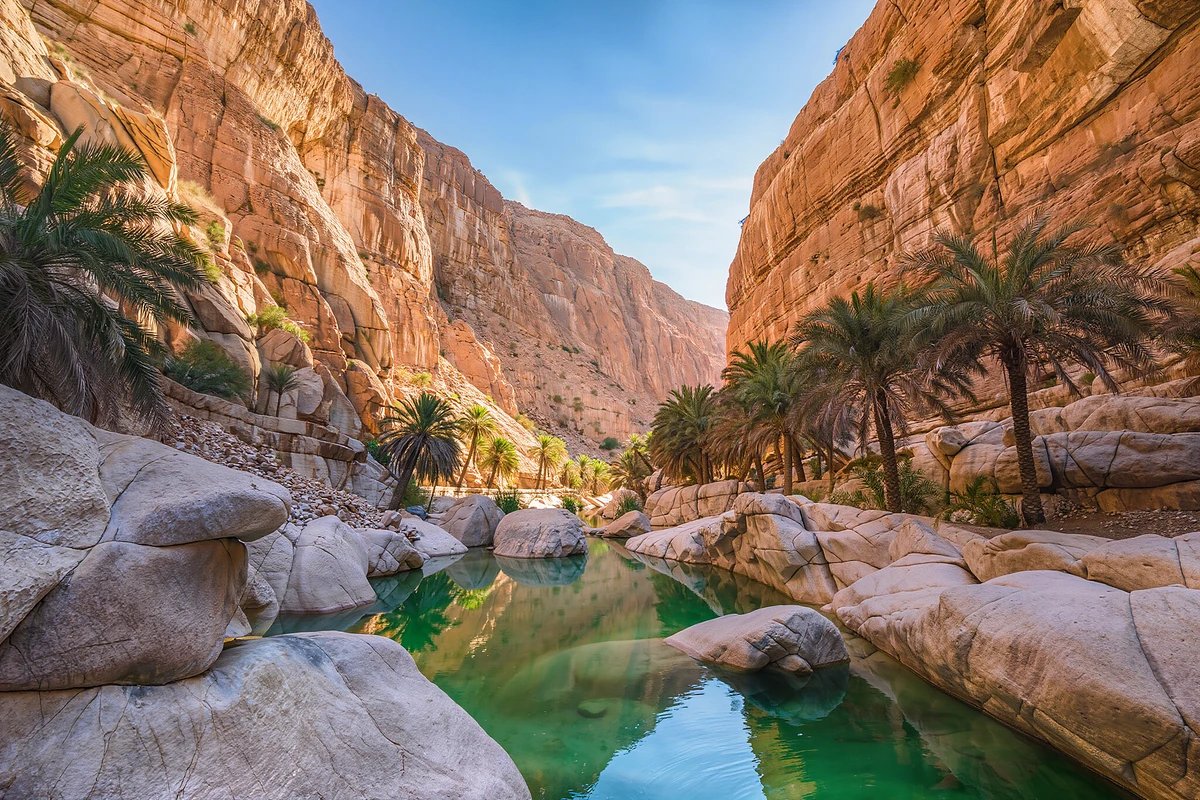
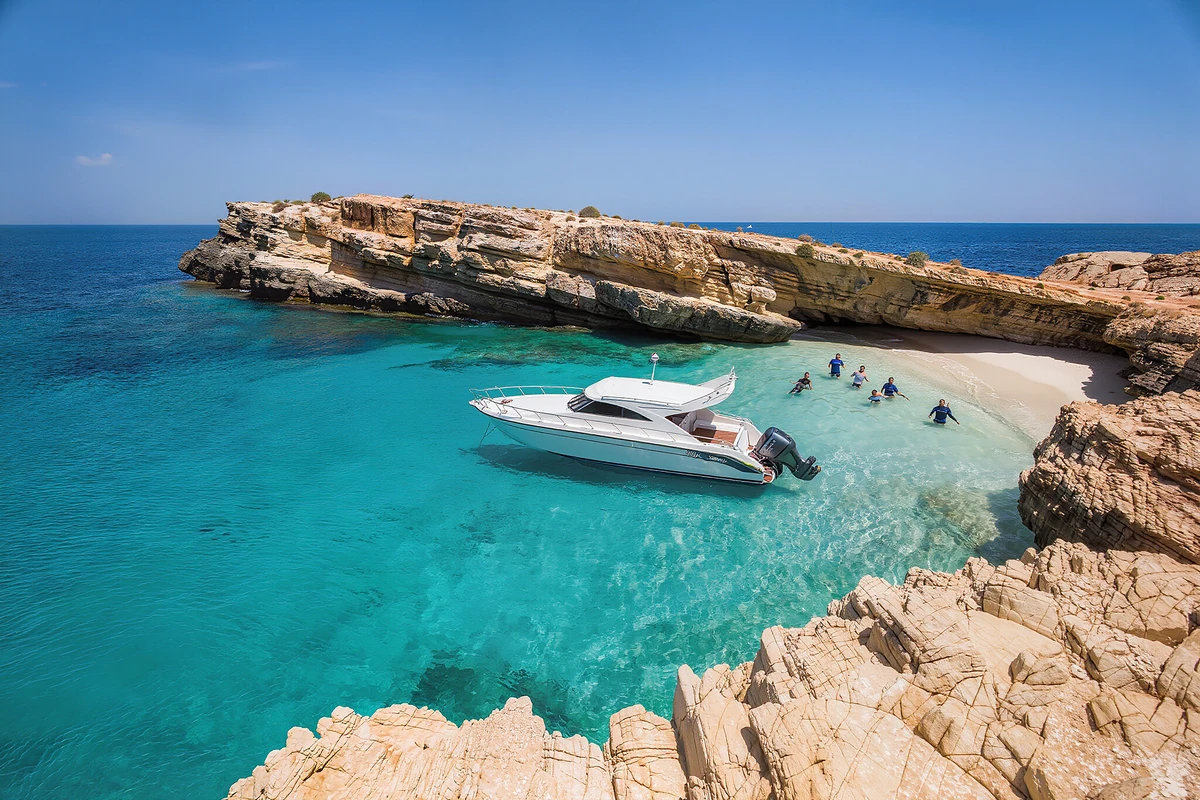
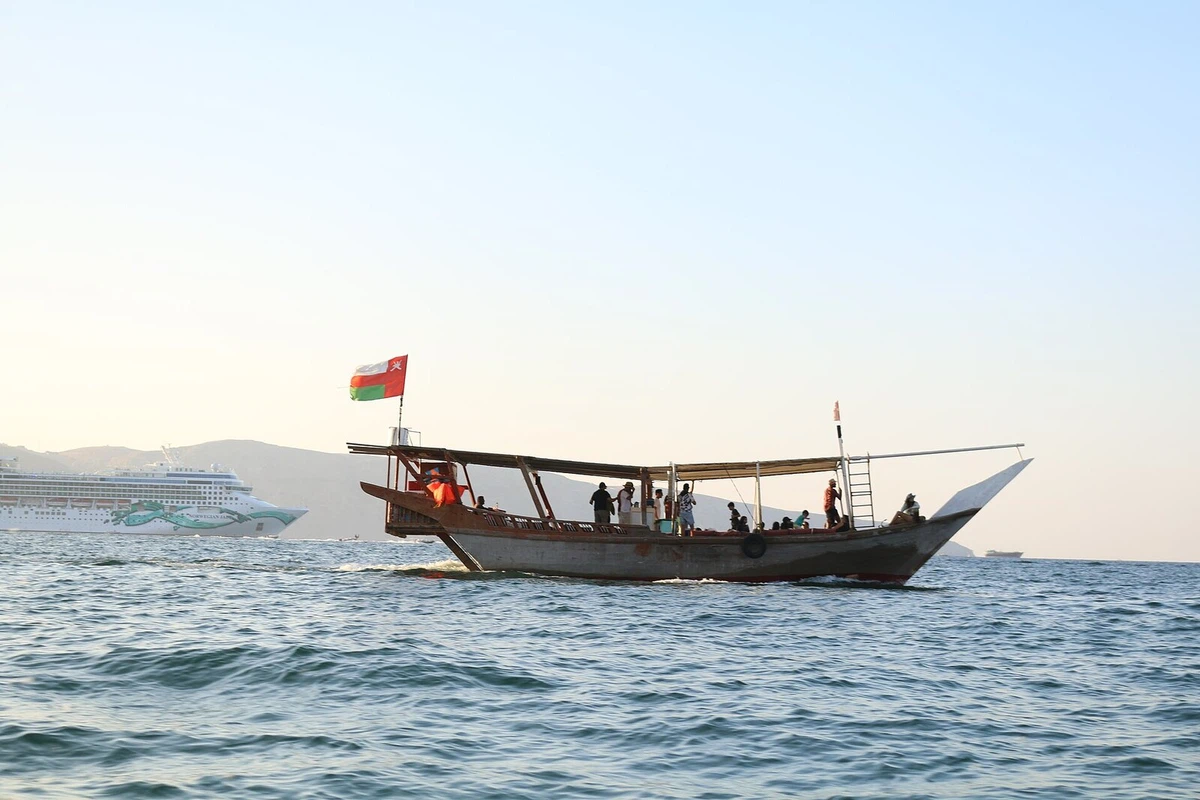
Some images are AI-generated for illustration. While we confirm your booking, just ask and we will send you the original photos.
- Fair, honest prices
- Real people, not bots
- Confirm, then pay
- Secure payment

Overview
Explore the wild eastern side of Salalah in one full day by 4x4, with an English-speaking local guide and hotel pickup in Salalah or Hawana Salalah at about 09:00. The shared Wadi Darbat & Mountain Group Tour starts at Taqah, a traditional fishing town with a 19th-century castle and a cliff viewpoint over the sea. Then comes Wadi Darbat, the most famous valley of Dhofar, with its lake and seasonal waterfalls, followed by the huge Tawi Attair sinkhole. Drive up to the Jabal Samhan viewpoint, where cliffs drop about 1,200 metres towards the coast, see the ancient baobab trees of Wadi Hinna, try Gravity Hill and end on the sand dunes of Mirbat. Bottled water is included; lunch, castle entries and boat rides are optional at your own cost.
Highlights
- Full-day 4x4 tour of East Salalah
- Hotel pickup in Salalah and Hawana Salalah
- Taqah fishing town and its castle
- Wadi Darbat: lake, seasonal waterfalls and camels
- The giant Tawi Attair sinkhole
- Jabal Samhan viewpoint high above the coast
- Ancient baobab trees of Wadi Hinna
- Gravity Hill and the Mirbat sand dunes
Full Description
Taqah: Fishing Town, Castle and Cliffs
About 30 minutes east of Salalah lies Taqah, one of the oldest towns of Dhofar, where fishermen still bring in their catch on the beach and flocks of seabirds gather along the shore. A cliff-top viewpoint gives a superb panorama of the town, the white sand and the turquoise sea, one of the best photo spots of the day.
In the town stands Taqah Castle, a 19th-century fortified residence of the local governor, now a museum of traditional Dhofari life. Nearby, Koofan Heritage House shows a family house about 150 years old, and Burj Al Askar, a watchtower on a rocky hill, looks over the castle and the coast. Entry to these sites is optional and paid on site; you can also admire them from outside.
Wadi Darbat and the Tawi Attair Sinkhole
Wadi Darbat is the jewel of Dhofar: a green valley with a long natural lake, framed by limestone cliffs, where camels and cows graze by the water. During and after the khareef monsoon season, from about July to September, waterfalls pour over the travertine cliffs and the whole valley turns lush green, a rare sight in Arabia. Boat and kayak rides on the lake are available at extra cost.
Further into the mountains lies the Tawi Attair sinkhole, whose name means well of birds. It is one of the largest sinkholes in the world, around 200 metres deep, and its walls echo with the calls of birds that nest inside. A viewing platform lets you look safely into the abyss. Anyone searching for a Wadi Darbat tour from Salalah will find these two sites the heart of the day.
Jabal Samhan and the Baobab Trees
The road then climbs to the Jabal Samhan viewpoint, on one of the highest mountain ranges of southern Oman. From the edge, cliffs drop about 1,200 metres towards the coastal plain and the Arabian Sea; on misty days in the khareef season you may stand above the clouds. The mountains are a nature reserve, known as one of the last refuges of the Arabian leopard.
On the way down, Wadi Hinna shelters a grove of giant baobab trees, a species more typical of Africa, with thick swollen trunks that may be centuries old. How they arrived here is still debated, which adds to their mystery. Your guide explains the plants of the Dhofar mountains, including the frankincense trees that made this region rich in ancient times.
Gravity Hill and the Mirbat Sand Dunes
Next comes Gravity Hill, a stretch of road where an optical illusion makes vehicles seem to roll uphill when the engine is off, a fun stop that always surprises visitors. Then the tour heads towards Mirbat, a historic port town once famous for the frankincense and horse trade, with old merchant houses and a fort facing the sea.
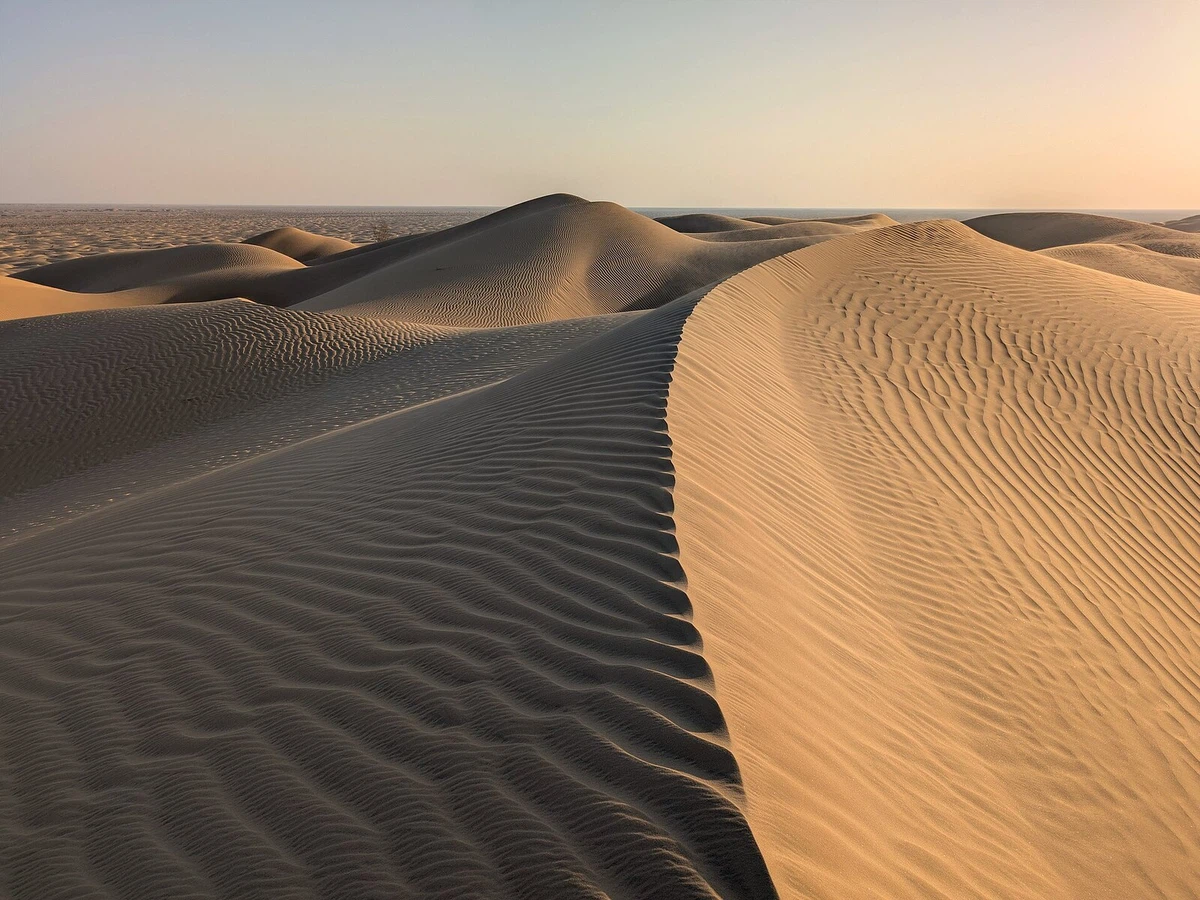
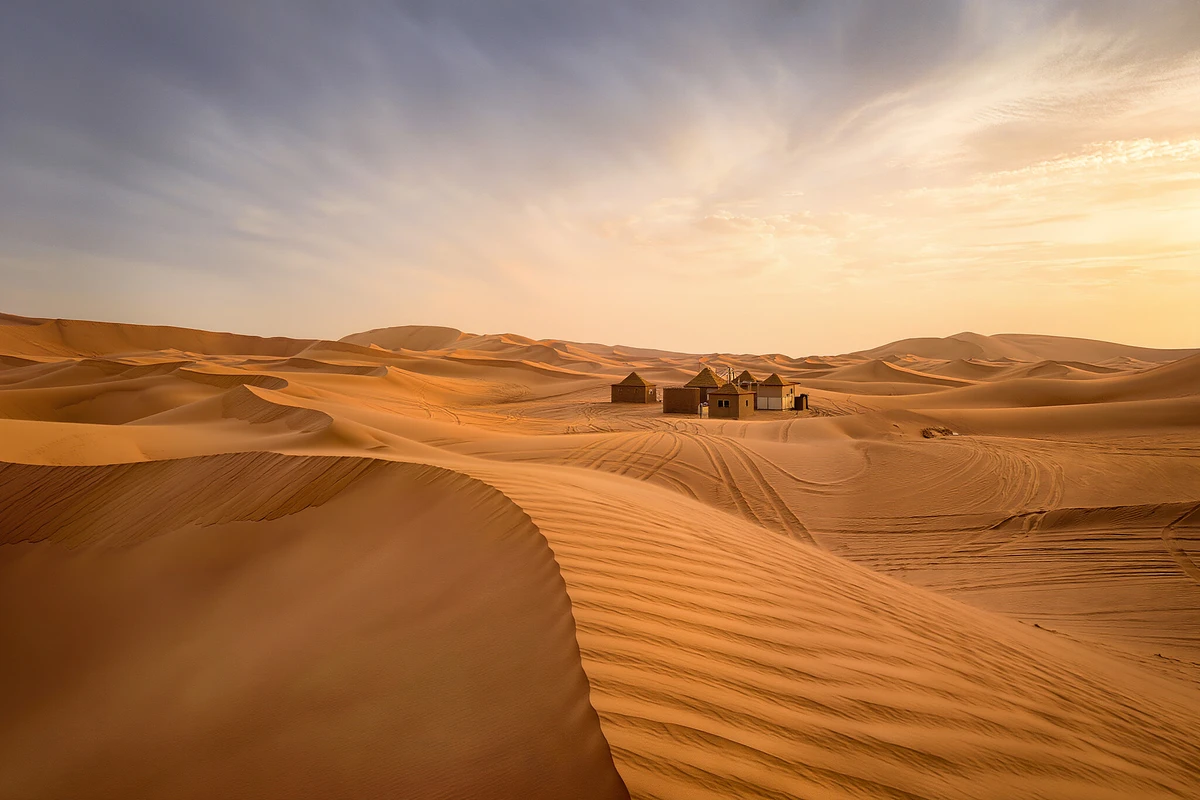
The last stop is the sand dunes near Mirbat, where golden sand meets the coastline, perfect for photos and a short walk at the end of the day. The tour then returns to your hotel. Dress modestly, with knees and shoulders covered. The best time to visit Salalah is during the khareef from July to September for green landscapes, or from October to April for sunny, clear days.
Itinerary
- Hotel pickupPickup from your hotel in Salalah or Hawana Salalah at about 09:00.
- TaqahCliff viewpoint, fishing beach and the castle (entry optional).
- Wadi DarbatAbout 1 hour at the lake and waterfalls; boat or kayak optional at extra cost.
- Tawi Attair sinkholeView into one of the largest sinkholes in the world, about 30 minutes.
- Jabal SamhanMountain viewpoint high above the coast, about 30 minutes.
- Baobab trees and Gravity HillThe ancient baobabs of Wadi Hinna and the optical-illusion road.
- Mirbat sand dunes and returnPhoto stop on the dunes, then drop-off at your hotel; about 8 hours in total.
What's included
- Hotel pickup and drop-off in Salalah and Hawana Salalah
- Transport by 4x4 vehicle
- English-speaking tour guide
- All the stops of East Salalah in one day
- Bottled water
Not included
- Food (lunch available at an additional cost)
- Optional entry tickets (Taqa Castle, Taqah Fort / Burj Al Askar, Koofan House)
- Boating and kayaking at Wadi Darbat
Amounts shown for items not included (such as entrance tickets, park fees, boat rides or optional extras) are set by the attractions and local suppliers, can change without notice and are given as a guide only. Please confirm the current amounts with us on WhatsApp before your tour. Haqqi Tours has no control over these third-party prices; they are paid by you on the day unless they are listed as included.
Is this right for you?
Great for
- Travellers without a car — hotel pickup is included
- Nature and wildlife lovers
- Travellers who want a proven choice — rated 4.7/5 by past travellers
Think twice if
- You want a private tour — this one is shared with other travellers
Not suitable for
- People with mobility impairments
- Pregnant women
Meeting point
Our driver-guide picks you up from your hotel in Salalah or Hawana Salalah at about 09:00; we confirm the exact time after booking. The tour ends with drop-off at your hotel in the late afternoon.
Important information
- Dress modestly: knees and shoulders covered
- Eat breakfast before you start
- Lunch is not included; you can bring food or buy a simple meal on the way
- Bring cash for optional entries and boat rides
- Wear comfortable or hiking shoes
- Bring a hat, sunglasses and sunscreen
- Waterfalls in Wadi Darbat flow mainly in and after the khareef season
Good to know
Frequently Asked Questions
Straight answers to what travellers ask us most, before they book.
Is this a shared or a private experience?
It is a shared group tour by 4x4 with an English-speaking local guide.
How long does it take?
About 8 hours, from 09:00 pickup to late-afternoon drop-off.
Is hotel pickup included?
Yes, pickup and drop-off at hotels in Salalah and Hawana Salalah are included.
What is included?
Hotel transfers, transport by 4x4, an English-speaking guide, all the stops of East Salalah and bottled water.
Is the price per person or per group?
The price is per person. The booking panel on this page shows the current price.
Is lunch included?
No. There are few restaurants on the route; you can bring food or buy a simple halal meal at Wadi Darbat or Jabal Samhan.
Will I see waterfalls at Wadi Darbat?
The waterfalls flow mainly during and after the khareef, about July to September; the lake and the valley are beautiful all year.
Is it suitable for children or people with reduced mobility?
Yes for children. Some stops involve uneven ground, so it is not suitable for people with mobility impairments.
What should I wear?
Modest clothing covering knees and shoulders, comfortable shoes and a hat.
What happens in bad weather?
In the khareef, fog and drizzle are normal and the tour runs. In heavy rain the guide may adapt the route for safety.
When is the best time to visit Salalah?
July to September for green landscapes and waterfalls, or October to April for sunny weather.
How do I book and confirm?
Choose your date in the booking panel. Our team confirms on WhatsApp within minutes.
More in Salalah