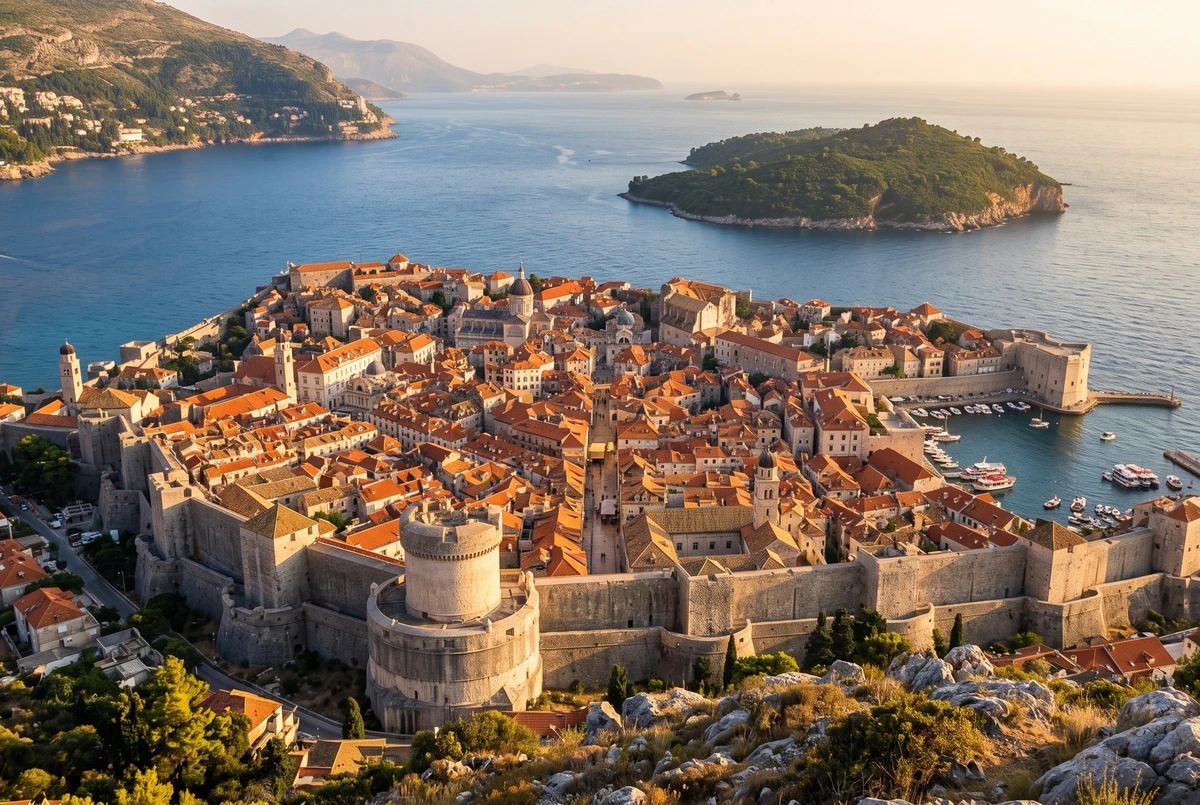
Zagreb Communism and Croatian Homeland War Tour
- Duration2.5 hours
- Daily at 15:00
- Group
Some images are AI-generated for illustration. While we confirm your booking, just ask and we will send you the original photos.
- Fair, honest prices
- Real people, not bots
- Confirm, then pay
- Secure payment

Overview
This Zagreb walking tour explores the city's 20th-century history, from the Second World War through almost five decades of socialist Yugoslavia to Croatian independence and the Homeland War of the 1990s. Starting at 15:00 at the equestrian statue on Ban Jelačić Square, a local guide in English leads you for about 2.5 hours through the Lower Town and into the Second World War tunnel beneath the Upper Town, and ends in a basement that residents used as a shelter during the air raids on Zagreb, with a multimedia presentation on the war. It is a shared small-group walk, told in a neutral, factual and respectful way, for travellers who want to understand modern Croatia beyond its postcards. No pickup is needed: the tour starts and ends on the main square.
Highlights
- Walk through the World War II tunnel under Zagreb's Upper Town
- See an authentic basement used as an air-raid shelter in the 1990s
- Learn about daily life in Zagreb during the socialist Yugoslav era
- Understand the break-up of Yugoslavia and Croatian independence
- Multimedia presentation on the Croatian Homeland War
- Live local guide in English; starts and ends on Ban Jelačić Square
Full Description
Ban Jelačić Square
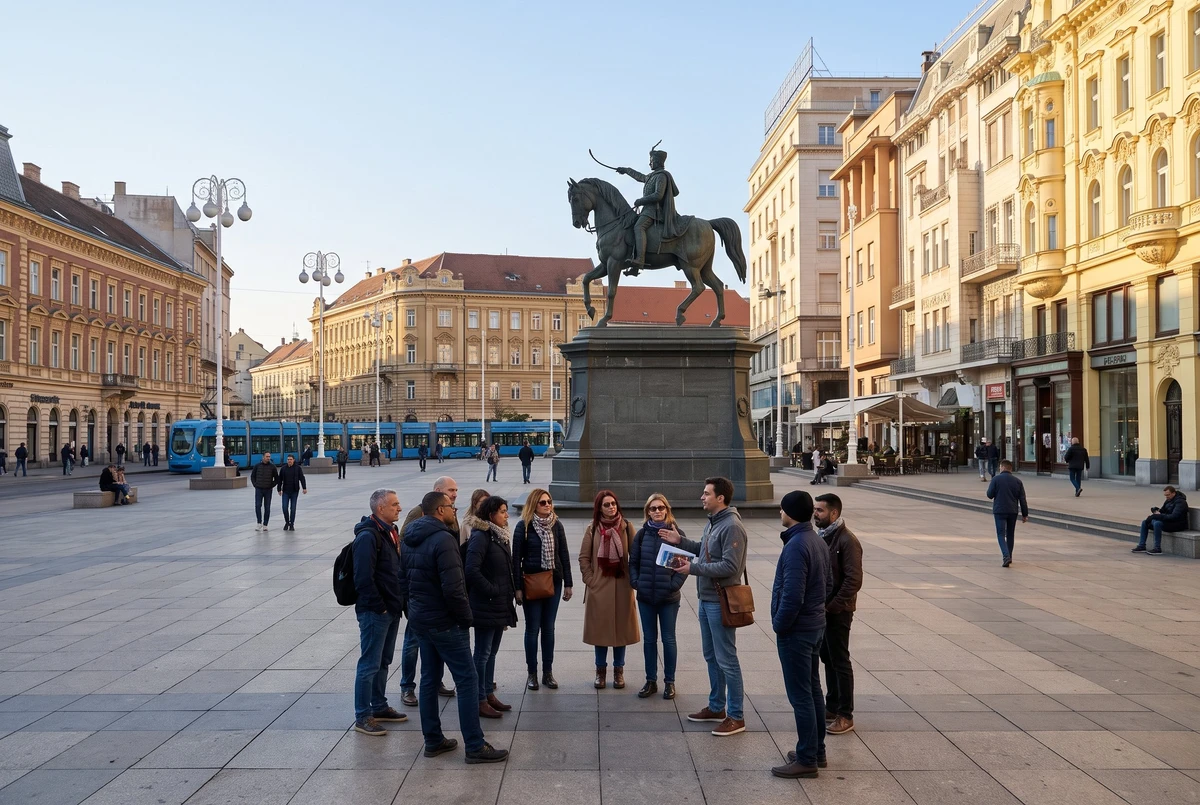
Ban Jelačić Square is Zagreb's main square and the natural meeting point of the city, where the Upper Town, the Lower Town and the Dolac market meet. The tour starts in front of its equestrian statue, raised in 1866 to a 19th-century governor of Croatia. The statue itself tells a story of the century: it was removed in 1947, during the early years of socialist Yugoslavia, and returned to the square in 1990, as Croatia moved towards independence.
From here your guide sets the scene for the afternoon, explaining how Zagreb changed from the capital of a region of Austria-Hungary into a city of the Kingdom of Yugoslavia, then of the socialist federation after 1945, and finally the capital of an independent Croatia in 1991. The square is busy and lively, with trams passing every few minutes, so meet a few minutes before 15:00 to find the group easily.
Lower Town and Life in Socialist Zagreb
The first part of the walk, about an hour with short stops, follows the streets of the Lower Town, where the architecture, the shops and the names of squares reflect the many changes of the 20th century. Your guide explains how people lived during the almost 50 years of socialist Yugoslavia: the planned economy, housing and work, travel abroad, music and the small details of daily life that older residents still remember.
The route also covers the late 1980s and the political and economic crisis that led to the end of the Yugoslav federation. The guide presents these events factually and with care, showing how they affected ordinary families in Zagreb. It is a valuable complement to the city's museums, and a good answer for anyone wondering what to do in Zagreb beyond the classic old-town walk.
The World War II Tunnel under the Upper Town
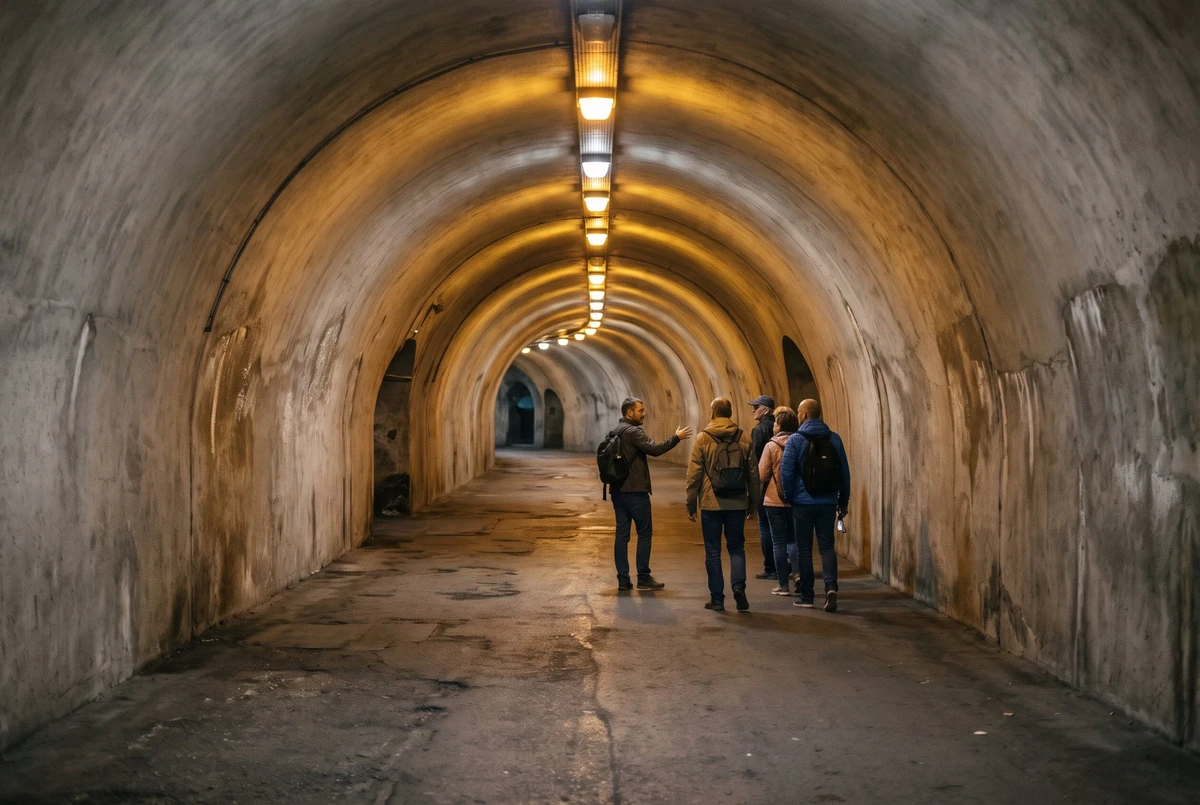
One of the highlights of this Zagreb history tour is the walk through the tunnel dug under the Upper Town during the Second World War as a shelter from air raids. Several hundred metres long, it runs beneath the old hill of Gradec and links two parts of the centre. After the war it was almost forgotten for decades, before being restored and opened to the public in the 2010s, and it is now used occasionally for exhibitions and events.
Inside, your guide explains the history of Croatia and Zagreb in the Second World War and the years that followed, and the cool, echoing passage gives a powerful sense of the period. Please note that the tunnel visit is not possible when an event is taking place inside; in that case the guide adapts the route. The tunnel is flat but can be damp, so wear comfortable shoes.
Homeland War Shelter and Multimedia Presentation
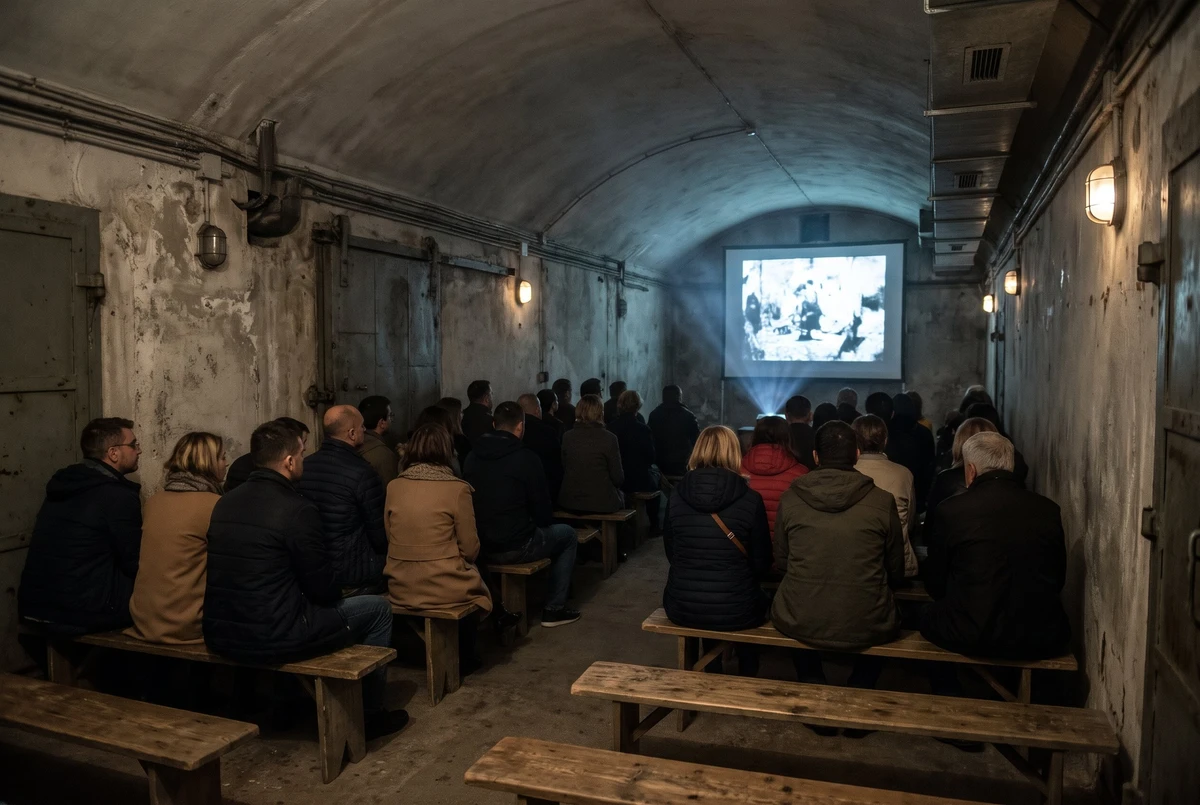
The tour ends in a hidden place that few visitors see: an authentic basement that residents used as a shelter during the air-raid alarms and attacks on Zagreb in the 1990s. Here, in about an hour, a multimedia presentation tells the story of the Croatian Homeland War of 1991 to 1995, from the declaration of independence in June 1991 to the end of the conflict, through photographs, video and the memories of people who lived through it.
The subject is treated in a neutral and respectful way, focusing on facts and on the experience of civilians, and leaves time for questions. Many travellers say it is the most memorable part of their visit to Zagreb. After the presentation, the group walks back to Ban Jelačić Square, where the tour ends, close to cafés, trams and the Dolac market.
Itinerary
- Ban Jelačić SquareMeet your guide at 15:00 in front of the equestrian statue; introduction of about 20 minutes.
- Lower Town streetsShort guided stops of about 15 minutes on the history of the 20th century and life in socialist Zagreb.
- World War II tunnelGuided walk of about 30 minutes through the tunnel under the Upper Town, with time for photos.
- 1990s shelter basementAbout one hour in a former air-raid shelter, with a multimedia presentation on the Homeland War.
- Back to Ban Jelačić SquareThe tour ends on the main square after about 2.5 hours in total.
What's included
- Walking tour with a local English-speaking guide
- Visit to the World War II tunnel (not during events held inside)
- Visit to a basement used as an air-raid shelter in the 1990s
- Multimedia presentation on the Croatian Homeland War
Not included
- Tips (optional)
- Food and drinks
Is this right for you?
Great for
- First-time visitors who want the highlights
- A half-day plan — about 2.5 hours
- Travellers who want a proven choice — rated 4.9/5 by past travellers
Think twice if
- You need hotel pickup — you meet at the meeting point
- You want a private tour — this one is shared with other travellers
- Walking is difficult for you — expect active parts
Not suitable for
- Wheelchair users
- People with mobility impairments
Meeting point
Meet in front of the horse (equestrian) statue on Ban Jelačić Square, Zagreb's main square, at 15:00. The tour returns to the same square at the end. Please arrive about 10 minutes early.
Important information
- The tour starts at 15:00 and lasts about 2.5 hours
- The tunnel visit is not included when an event is held inside the tunnel
- Pets and luggage or large bags are not allowed
- Children must be accompanied by an adult
- Not suitable for wheelchair users or people with mobility impairments
- Wear comfortable shoes; the tunnel can be cool and damp
- The tour is in English; tips for the guide are optional
Good to know
Frequently Asked Questions
Straight answers to what travellers ask us most, before they book.
Is this a shared or a private experience?
It is a shared small-group walking tour with a live local guide in English.
How long does the Zagreb war tour take?
About 2.5 hours, starting at 15:00 on Ban Jelačić Square.
Is hotel pickup included?
No. The tour starts and ends at the equestrian statue on Ban Jelačić Square, in the centre of Zagreb.
What is included?
A walking tour with a local guide, a visit to the World War II tunnel, a visit to the 1990s shelter basement and a multimedia presentation on the Homeland War.
Is the price per person or per group?
The price is per person. The booking panel on this page shows the current price.
Is it suitable for children and for reduced mobility?
Children must be accompanied by an adult; the subject suits older children and teenagers best. The tour is not suitable for wheelchair users or people with mobility impairments.
What should I bring?
Comfortable shoes, a light jacket for the cool tunnel and an umbrella in rainy weather. Large bags are not allowed.
Is the tour respectful about the war?
Yes. The guide presents the history in a neutral and factual way, focusing on events and on the experience of civilians in Zagreb.
What happens in bad weather?
The tour runs in rain; much of the second half is underground or indoors.
What is the best season for walking tours in Zagreb?
Spring and early autumn are the most pleasant; in December the city's festive markets make the centre very lively.
How do I book and confirm?
Choose your date in the booking panel and send your request. Our team confirms your booking on WhatsApp within minutes.
More in Zagreb
Getting to & around Zagreb
Popular across Croatia
-
-

-

-
-
-