
Dharavi Guided Walking Tour with Local Guide Mumbai
- Duration2 hours
- Daily
- Group
- Pickup available
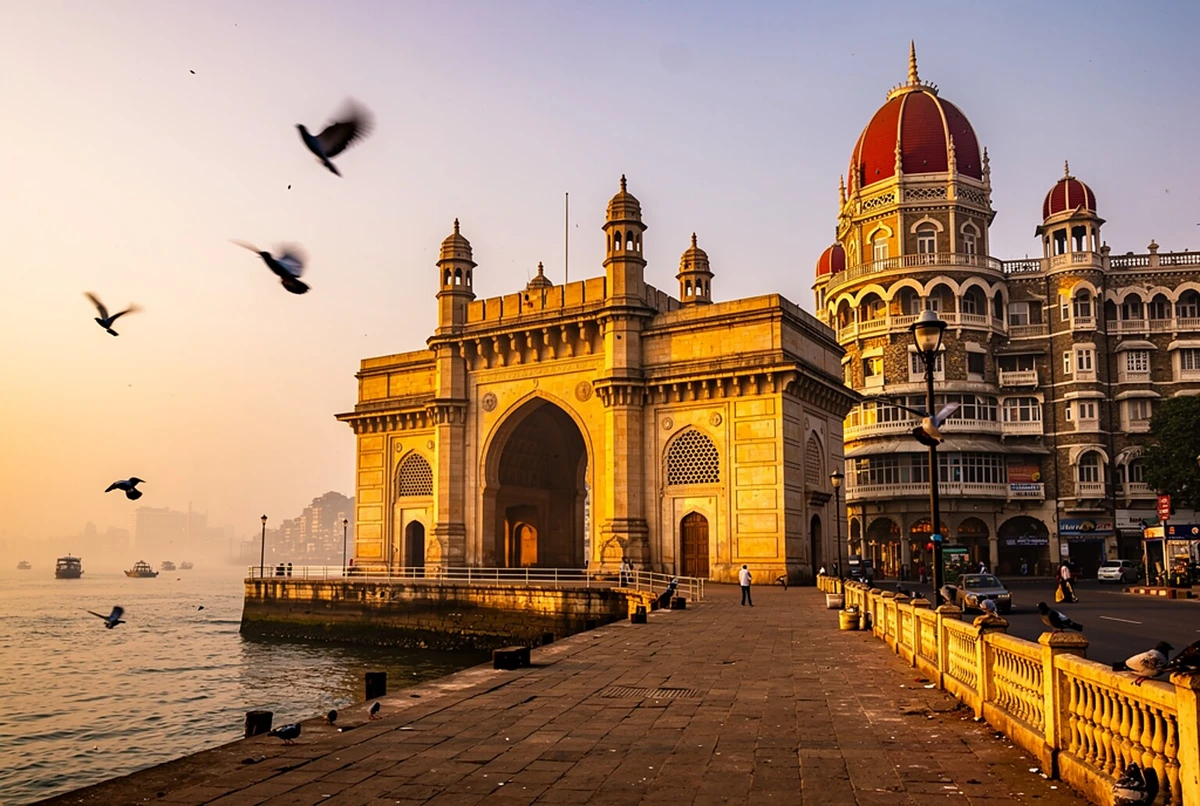
Some images are AI-generated for illustration. While we confirm your booking, just ask and we will send you the original photos.
- Fair, honest prices
- Real people, not bots
- Confirm, then pay
- Secure payment

Overview
This two-hour Dharavi walking tour is led by local guides who grew up in the neighbourhood and still live there. Starting opposite Mahim railway station, you walk through the narrow lanes of one of Asia's largest informal settlements to see the industries that keep it running: recycling workshops, leather and garment units, and the pottery quarter, along with the local market, a school and the tiny houses where families live. It is a respectful, eye-opening look at the creativity and community spirit of Dharavi. The default option is a small-group walk; private walks, a private tour with hotel pickup, and a longer private tour that adds Mumbai highlights such as the Gateway of India are also available.
Highlights
- Walk with guides who were born and raised in Dharavi
- Recycling workshops that process a large share of Mumbai's waste
- Leather and garment workshops producing goods sold across the city
- The pottery quarter with its kilns and rows of clay pots
- Local market, a school and everyday life in the residential lanes
- Small-group walk, with private and hotel-pickup options
- Respectful approach: no professional cameras, no flash
Full Description
Dharavi, a City within the City
Dharavi covers just over two square kilometres between the Mahim and Sion railway lines in the heart of Mumbai, yet it is estimated that up to a million people live and work here. Founded in the late 19th century on marshland at the edge of the city, it grew as migrants from across India arrived in search of work, bringing their languages, crafts and religions with them.
Is a Dharavi tour worth it? For many travellers it is the most memorable thing they do in Mumbai, because it replaces stereotypes with real stories. Your guide explains how the community organises itself, how families from different regions live side by side, and how thousands of small businesses create a busy local economy.
The Recycling Workshops
Recycling is the industry Dharavi is best known for. In open-fronted workshops and on rooftops, workers sort, wash, shred and melt plastic, cardboard, metal and paint tins collected across Mumbai, turning them into pellets and raw material sold back to factories. Much of the city's waste passes through these lanes.
Walking through this area is the most striking part of the Dharavi walking tour: the noise of shredders, sacks of coloured plastic stacked high and people working with real skill and speed. Your guide shows you each step of the process and explains why this informal industry matters to Mumbai, while making sure the visit respects the people at work.
Leather, Garments and Small Industries
Dharavi is also a centre for leather goods. Small units tan, cut and stitch bags, belts, jackets and shoes that end up in shops around Mumbai and beyond, and the leather shops on the main road sell directly to visitors. Nearby, garment workshops cut and sew clothing and embroidery in rooms barely larger than a sewing machine.
The guide leads you inside working units where owners welcome visitors, so you can see the craftsmanship up close. These businesses show the entrepreneurial energy that defines Dharavi, where a small room can be a factory by day and a living space by night. There is never any pressure to buy, and the guide is happy to answer questions about how the businesses work.
The Pottery Quarter
Kumbharwada, the potters' quarter, is one of the oldest parts of Dharavi, settled by potter families from Gujarat in the 19th century. Here clay is shaped on wheels in courtyards, pots and lamps are laid out to dry in the sun, and smoke rises from communal kilns. Before festivals the lanes fill with clay lamps and decorated pots.
This stop is a favourite for its colour and calm compared with the busy recycling area. It shows how traditional crafts have survived inside a modern city, passed down through generations of the same families. The potters still use techniques their ancestors brought from Gujarat, and their clay lamps are sold across Mumbai for Diwali.
Market, School and Residential Lanes
The walk ends in the residential part of Dharavi, where alleys can be barely wider than your shoulders. You pass the local market, small shops and a school, and see how families make the most of houses that may be just a few square metres. Your guide shares what daily life is like, from water supply to festivals.
Photography is limited out of respect for residents: professional cameras and flash are not allowed, and your guide tells you where photos are welcome. The default walk takes about two hours and finishes near Matunga Road station or back near Mahim, both easy to reach by local train or taxi. Many travellers say this is the moment the walk changes how they see the city.
Itinerary
- Meeting point at Mahim stationMeet your guide outside a coffee shop opposite the west exit of Mahim railway station.
- Recycling areaSee plastic, cardboard and metal being sorted and processed.
- Leather and garment workshopsVisit small units making leather goods and clothing.
- Pottery quarterWalk through Kumbharwada with its wheels, drying pots and kilns.
- Market, school and residential lanesExplore daily life in the narrow lanes, about two hours for the whole walk with breaks.
- FinishThe walk ends near Matunga Road station or near Mahim.
What's included
- Guided walk with a local English-speaking guide
- Recycling, leather, garment and pottery workshops
- Local market and residential lanes
- Bottled water
Not included
- Hotel pickup and drop-off
- Snacks
- Tips
Is this right for you?
Great for
- Families with children — a child price for ages 5–13
- Travellers without a car — hotel pickup is included
- Groups who want privacy — a private option is available
- First-time visitors who want the highlights
Think twice if
- Walking is difficult for you — expect active parts
Not suitable for
- Wheelchair users
- Visually impaired people
Meeting point
Meet your guide outside a coffee shop opposite the west exit of Mahim railway station; we send the exact map pin with your confirmation. The walk ends near Matunga Road railway station or near Mahim. The private options with pickup collect you from your hotel in Mumbai.
Important information
- Wear comfortable closed shoes; lanes can be uneven and wet
- Short skirts and sleeveless shirts are not allowed
- Professional cameras and flash photography are not allowed
- Bring water, a sun hat and sunscreen
- Restroom facilities along the route are limited
- Keep valuables secure in crowded areas
- Tips for the guide are not included
Good to know
Frequently Asked Questions
Straight answers to what travellers ask us most, before they book.
Is this a shared or a private experience?
The default option is a small-group walk shared with other travellers. Private walks with a guide for your group only are also available, with or without hotel pickup.
How long does the Dharavi tour take?
The walk takes about 2 hours. The private option with pickup takes about 4 hours, and the private Dharavi and city highlights tour about 7 hours.
Is hotel pickup included?
Not in the default walk, which starts opposite Mahim station. Choose a private option with pickup to be collected from your Mumbai hotel in an air-conditioned car.
What is included?
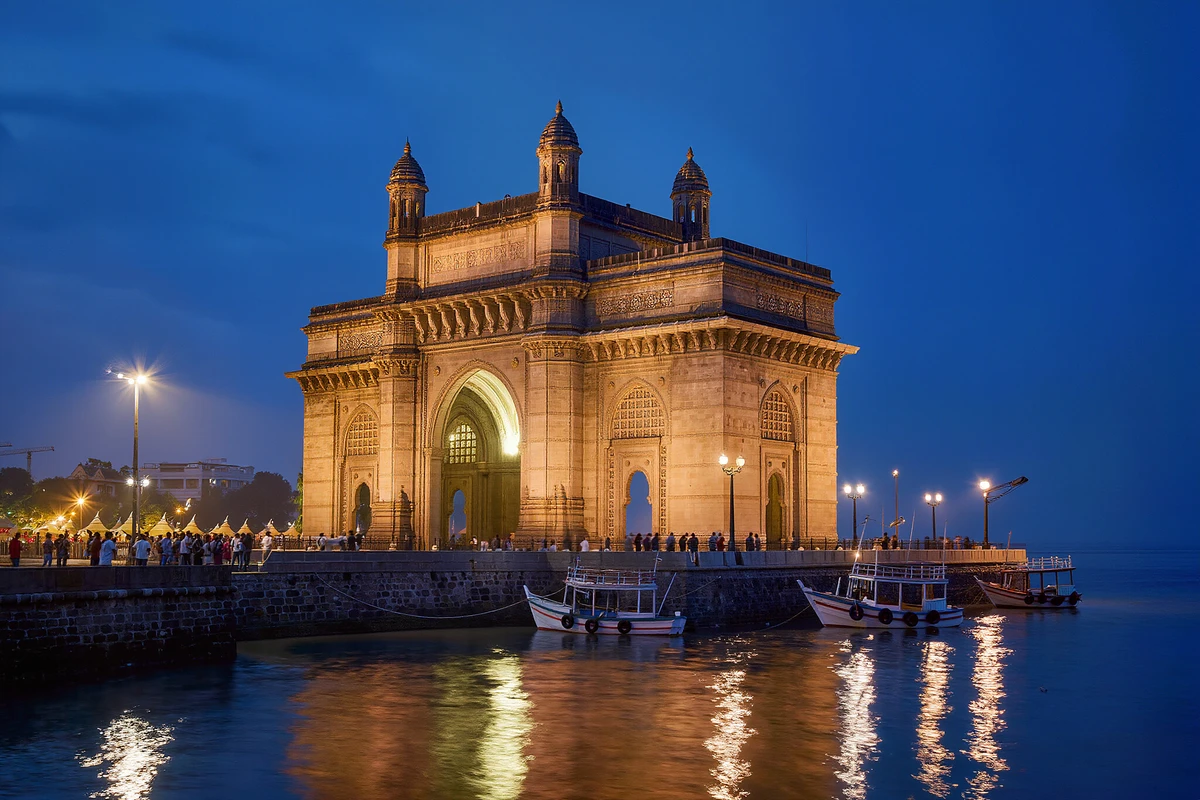
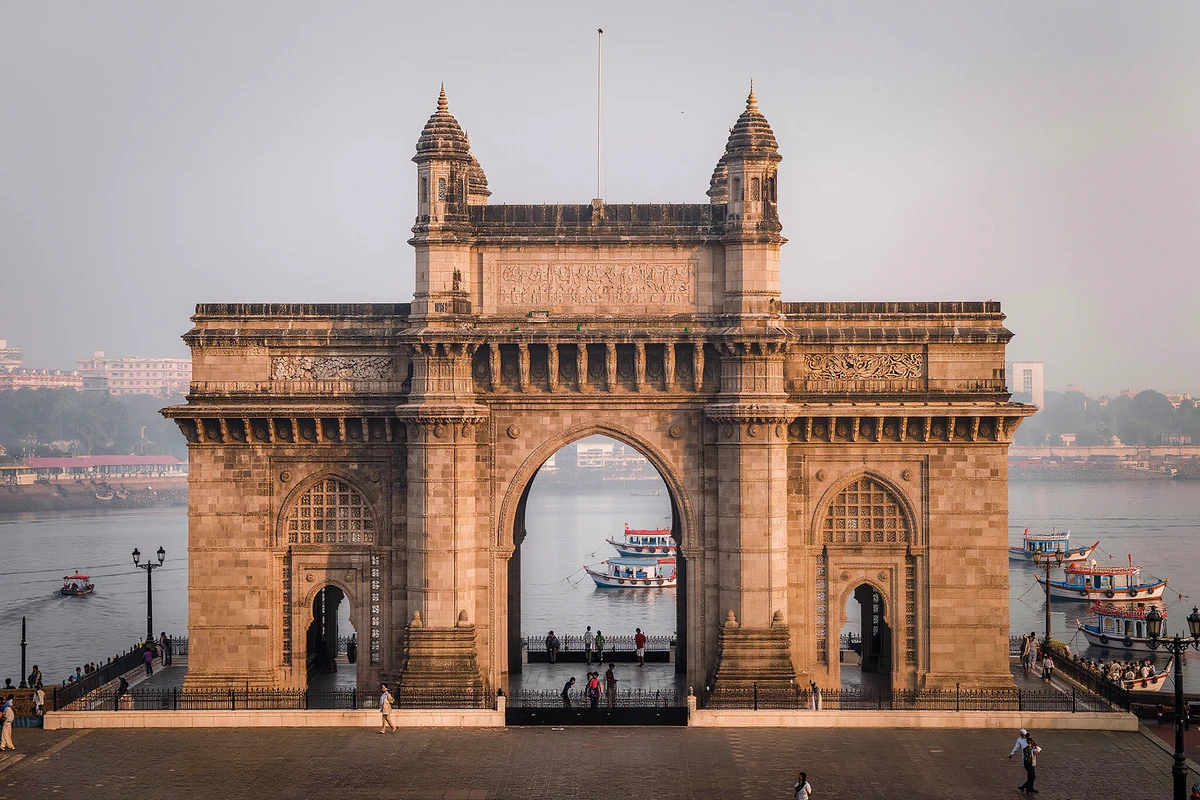
A local English-speaking guide and bottled water. The pickup options add an air-conditioned car, and the longest option adds Mumbai highlights such as the Gateway of India.
Is the price per person or per group?
The small-group walk is priced per person with a child rate, while the private options are priced by group size. The booking panel on this page shows the current price of each option.
Is a Dharavi tour respectful to residents?
Yes. The guides are residents themselves, photography is limited, and the walk focuses on work, crafts and community rather than poverty.
Can I take photos?
Only where the guide says it is welcome. Professional cameras and flash photography are not allowed.
Is it suitable for children or reduced mobility?
Children from 5 years can join with a child rate. The lanes are narrow and uneven, so the walk is not suitable for wheelchair users or visually impaired people.
What should I wear and bring?
Modest clothing covering shoulders and knees, comfortable closed shoes, a sun hat, sunscreen and water.
What is the best time of day for the walk?
Morning walks are cooler and the workshops are busy. Between November and February the weather in Mumbai is at its most comfortable.
What happens in the monsoon?
The walk runs in rain, but lanes can be wet and muddy from June to September, so wear shoes that can get dirty.
How do I book and confirm?
Choose your option, date and time in the booking panel. Our team confirms your booking and meeting point on WhatsApp within minutes.
More in Mumbai
Getting to & around Mumbai
Popular across India
-

-
-

-
-
-