World War II History Guided Walking Tour Warsaw
- Duration2.5 hours
- Daily
- Group
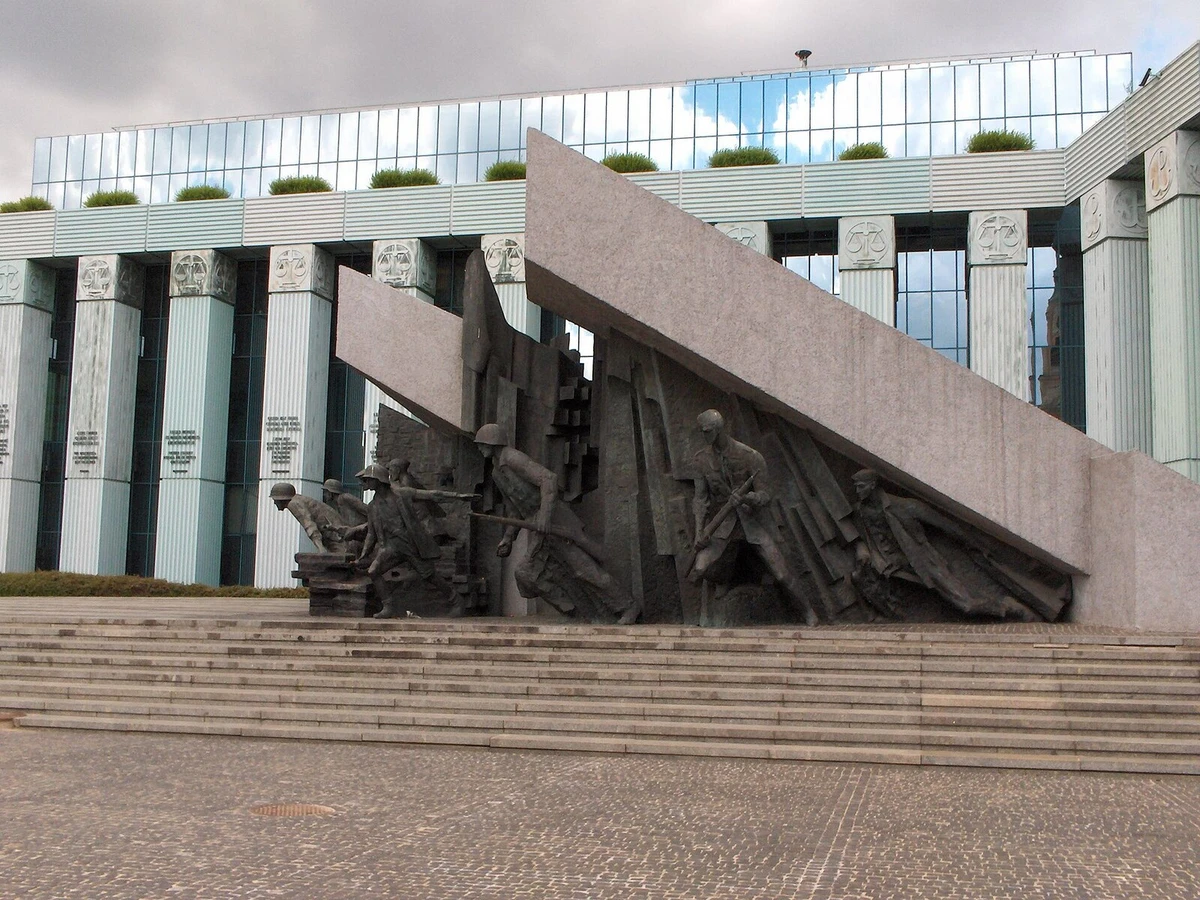
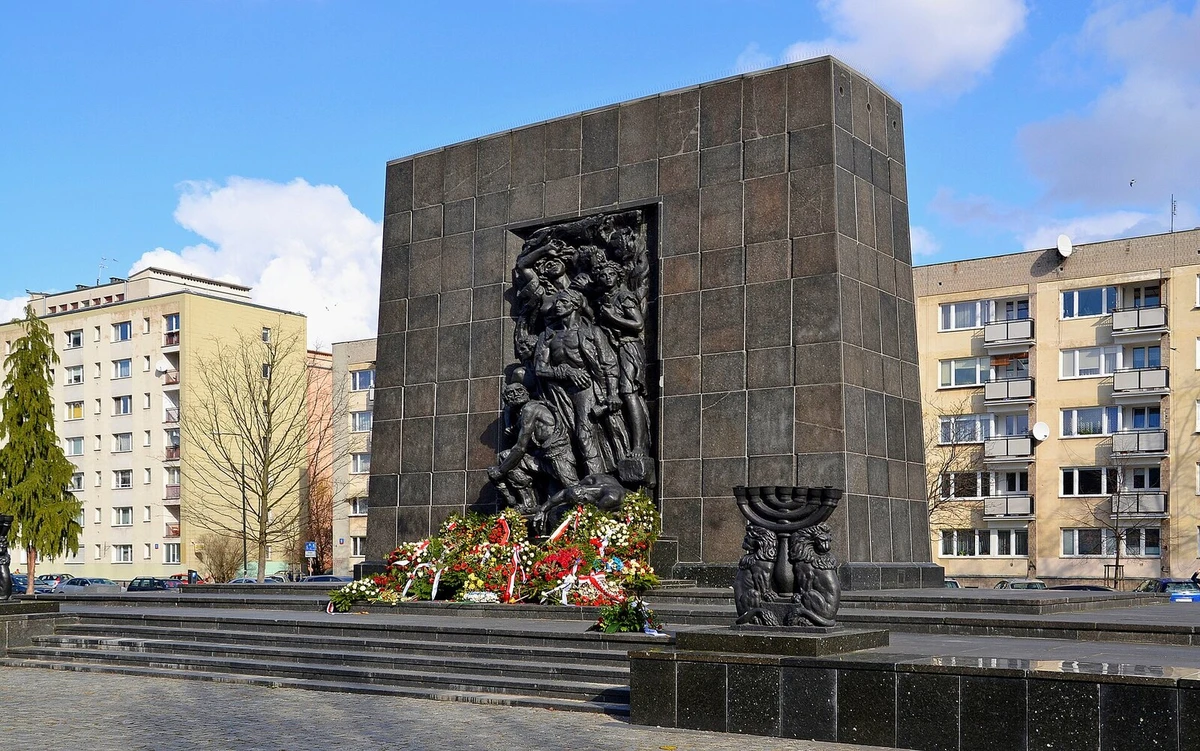
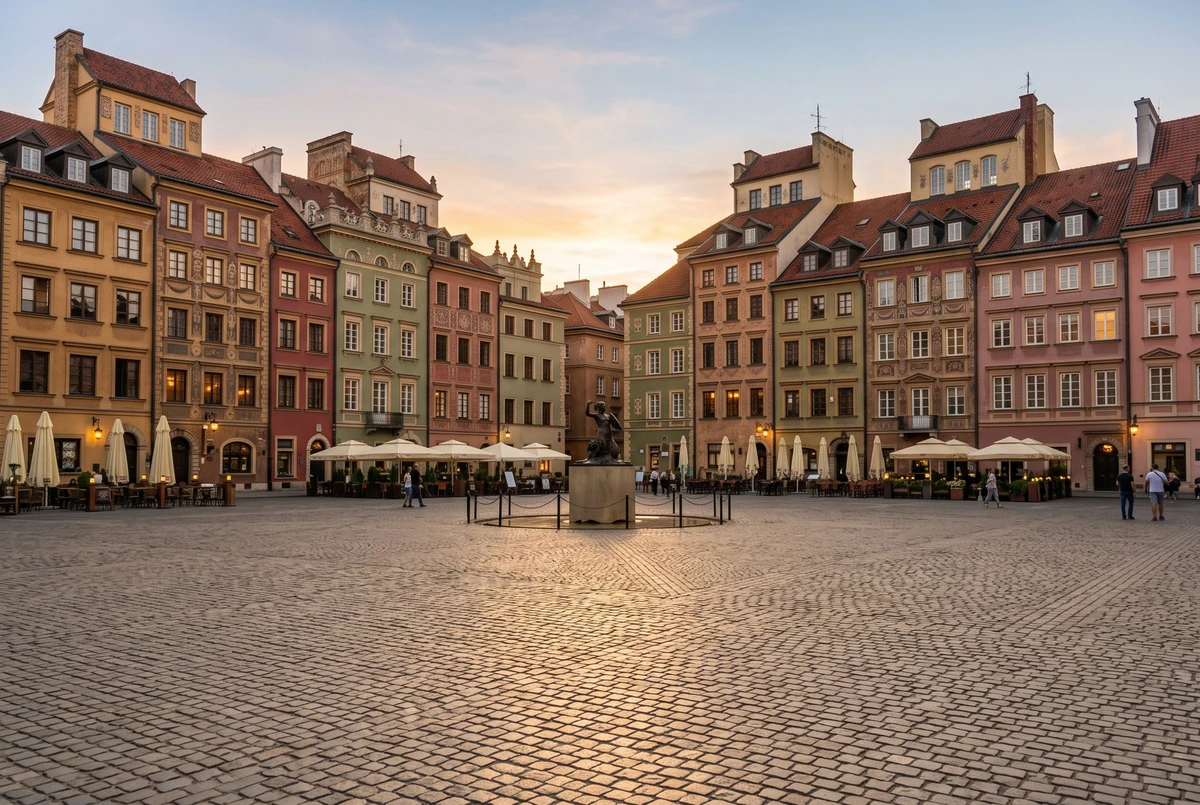
Photos show the places you visit; the boat or vehicle on the day may differ. Photos: Jules9687 (CC BY-SA 3.0) · Pudelek (CC BY-SA 4.0), via Wikimedia Commons
Some images are AI-generated for illustration. While we confirm your booking, just ask and we will send you the original photos.
- Fair, honest prices
- Real people, not bots
- Confirm, then pay
- Secure payment

Overview
Warsaw was one of the cities that suffered most in World War II, and this two-and-a-half-hour walking tour tells the whole story from 1939 to 1945. Starting at Castle Square in the Old Town, a local guide born and raised in Warsaw leads you to places linked to the September 1939 siege, the former German district of the occupation years, the former Jewish Ghetto, execution sites and the strongholds of the 1944 Warsaw Rising. Wartime photographs and personal family stories bring each stop to life. It is a shared small-group tour of around 20 people in English, on a wheelchair-accessible route. There is no hotel pickup; the tour starts in the heart of the Old Town.
Highlights
- In-depth walk covering the entire 1939 to 1945 period in Warsaw
- Local guides born and raised in the city, sharing family stories
- Wartime photographs shown at the places where events happened
- Sites of the 1939 siege and the former German district
- The former Jewish Ghetto and the 1943 Ghetto Uprising
- Execution memorials and strongholds of the 1944 Warsaw Rising
- Wheelchair-accessible route
- Starts at Castle Square in the Old Town
Full Description
Castle Square and the Old Town
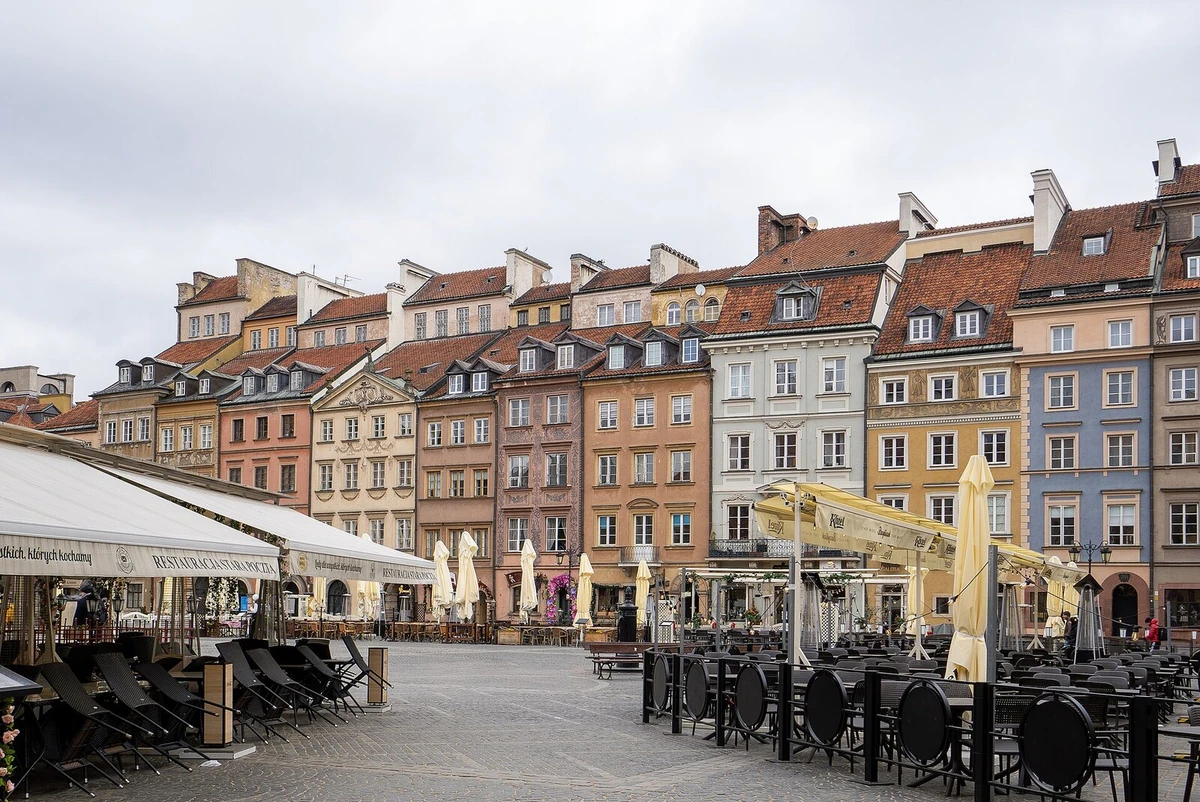
The tour starts on Castle Square, below the tall column raised in the 17th century for the king who moved the capital to Warsaw, the city's oldest secular monument. Around you stand the Royal Castle and the colourful townhouses of the Old Town. It all looks centuries old, but almost everything here was blown up by the occupiers after the 1944 Rising and rebuilt brick by brick after the war, using old paintings, drawings and photographs.
Your guide explains how the column itself was toppled and later restored, and how Warsaw's people chose to rebuild their historic centre instead of leaving it in ruins. The reconstruction was so careful that the Old Town became a UNESCO World Heritage Site in 1980. Starting here gives you the key to the whole tour: every street of central Warsaw has a wartime story behind its facade.
The 1939 Siege of Warsaw
World War II began in Poland on 1 September 1939, and within days Warsaw was surrounded. For almost a month soldiers and civilians defended the capital while it was bombed from the air and shelled by artillery, until the city surrendered at the end of September. Thousands of civilians died, and many famous buildings were damaged in the first weeks of the war.
On this Warsaw WW2 tour your guide shows you places connected with the siege and uses period photographs to compare the city then and now. You learn how ordinary Varsovians dug trenches, fought fires and kept the city running, and how the defeat led to more than five years of occupation. This part of the walk helps you understand why Warsaw remembers September 1939 with such strong emotion.
The Former German District
During the occupation, the authorities divided Warsaw by nationality. An area in the south of the city centre became a German-only district, with offices, police headquarters and housing for occupation officials, while Poles and Jews were pushed elsewhere. The city's great parade square was renamed after the occupying regime's leader, and Polish street names disappeared.
Your guide leads you through these streets and explains how daily life worked under the curfew, roundups and constant controls of the occupation. You hear how the underground state of the Polish resistance organised secret schools, newspapers and courts right under the eyes of the security police. Today the district is a quiet area of embassies and ministries, and without a guide most visitors would walk past without knowing its history.
The Former Warsaw Ghetto
In November 1940 the occupiers sealed off the Warsaw Ghetto, the largest in occupied Europe, where about 400,000 Jewish residents were confined behind walls in a small part of the city. Hunger and disease killed tens of thousands, and in 1942 most of the population was deported to the extermination camp at Treblinka. In April 1943 the remaining residents rose up in the Ghetto Uprising, fighting for almost a month.
The Warsaw Ghetto tour section of the walk visits places linked to these events, where your guide shares documents and photographs from the time. Almost nothing of the ghetto survived the war, so the guide helps you read the modern city and find the traces that remain, such as memorial markers along the old wall line. It is a moving, factual and respectful part of the tour.
Execution Sites and the 1944 Warsaw Rising
Across the city centre, stone plaques mark places where civilians were shot in public street executions during the occupation. On 1 August 1944 the Polish underground army (Armia Krajowa) launched the Warsaw Rising, hoping to free the capital. The insurgents held parts of the city for 63 days against overwhelming forces, and after their surrender the occupiers expelled the population and systematically destroyed most of Warsaw.
Your guide shows you strongholds and barricade sites of the Rising and explains how young men and women, many still teenagers, fought street by street. Many visitors finish this Warsaw Uprising tour wanting to see the Warsaw Rising Museum, which is not included but makes a perfect follow-up. Plan at least two or three hours for it, and check its opening hours, as it is closed on one weekday.
Itinerary
- Meet at Castle SquareFind the guide with an orange umbrella beside the tall column in the Old Town.
- Old Town and its reconstructionIntroduction to Warsaw before and after the war, and how the Old Town was rebuilt, about 20 minutes.
- Sites of the 1939 siegeStories and photographs of the bombardment and defence of the city, about 25 minutes.
- Former German districtWalk through the occupation-era district and learn about daily life and the resistance, about 30 minutes.
- Former Jewish GhettoPlaces linked to the ghetto and the 1943 Ghetto Uprising, about 35 minutes.
- Execution sites and 1944 Rising strongholdsMemorials of street executions and stories of the 63-day Rising before the tour ends, about 30 minutes.
What's included
- Professional local guide speaking English
- Walk through the former German district and the former Ghetto
- Execution memorial sites and 1944 Rising strongholds
- Wartime photographs shown along the route
- Wheelchair-accessible route
Not included
- Food and drinks
- Museum entrance
- Hotel pickup and drop-off
Amounts shown for items not included (such as entrance tickets, park fees, boat rides or optional extras) are set by the attractions and local suppliers, can change without notice and are given as a guide only. Please confirm the current amounts with us on WhatsApp before your tour. Haqqi Tours has no control over these third-party prices; they are paid by you on the day unless they are listed as included.
Is this right for you?
Great for
- First-time visitors who want the highlights
- A half-day plan — about 2.5 hours
- Travellers who want a proven choice — rated 4.8/5 by past travellers
Think twice if
- You want a private tour — this one is shared with other travellers
- Walking is difficult for you — expect active parts
Meeting point
Meet your guide at Castle Square in Warsaw Old Town, close to the tall 20-metre column with a statue on top. Look for the guide holding an orange umbrella and arrive about 10 minutes before the start. Castle Square is easy to reach on foot along the Royal Route or by bus and tram to the stops nearby. There is no hotel pickup.
Important information
- Arrive 10 minutes before the start and look for the orange umbrella
- Wear comfortable walking shoes; the walk lasts about 2.5 hours
- Dress for the weather, as most of the tour is outdoors
- The route is wheelchair accessible
- The subject is serious and includes executions and deportations
- Your group may include guests who joined on a pay-what-you-wish basis; your booking already covers the guide
- Museum entrance is not included
Good to know
Frequently Asked Questions
Straight answers to what travellers ask us most, before they book.
Is this a shared or a private experience?
It is a shared small-group walking tour in English, usually around 20 people, with a local guide.
How long does it take?
About 2.5 hours.
Is hotel pickup included?
No. The tour starts at Castle Square in the Old Town, which is easy to reach from most central hotels.
What is included?
A professional local guide and the guided walk. Food, drinks and museum entrance are not included.
Is the price per person or per group?
The price is per person. The booking panel on this page shows the current price of each option.
Is it suitable for children or travellers with reduced mobility?
The route is wheelchair accessible. The subject is serious, so it suits teenagers and adults best.
What should I bring?
Comfortable shoes, weather-appropriate clothing and water. An umbrella is useful on rainy days.
Which places does the tour cover?
Sites of the 1939 siege, the former German district, the former Jewish Ghetto, execution memorials and strongholds of the 1944 Warsaw Rising.
What is the difference between the Ghetto Uprising and the Warsaw Rising?
The Ghetto Uprising was the revolt of the Jewish residents of the ghetto in April 1943. The Warsaw Rising was the city-wide insurrection of the Polish resistance in August 1944. The tour covers both.
What happens in bad weather?
The tour runs in most weather, so please dress for the forecast and bring an umbrella if rain is expected.
Should I visit a museum after the tour?
Many guests continue to the Warsaw Rising Museum or the museum of Polish Jewish history. Entry is not included, but your guide can suggest how to plan your visit.
How do I book and confirm?
Choose your date in the booking panel and send your request. Our team confirms your booking on WhatsApp within minutes.
More in Warsaw

Getting to & around Warsaw
Popular across Poland
-
-
-
-
-
-