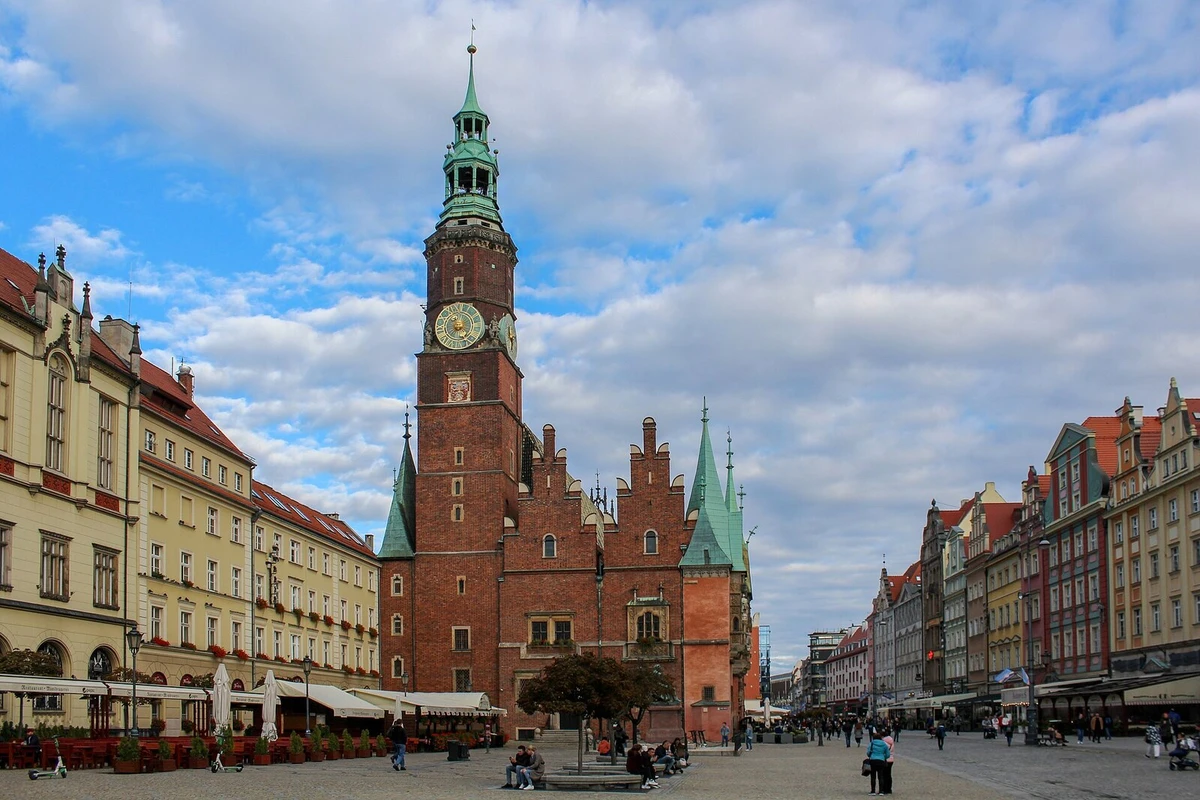
Jewish History Guided Walking Tour Warsaw
- Duration2.5 hours
- Daily
- Group
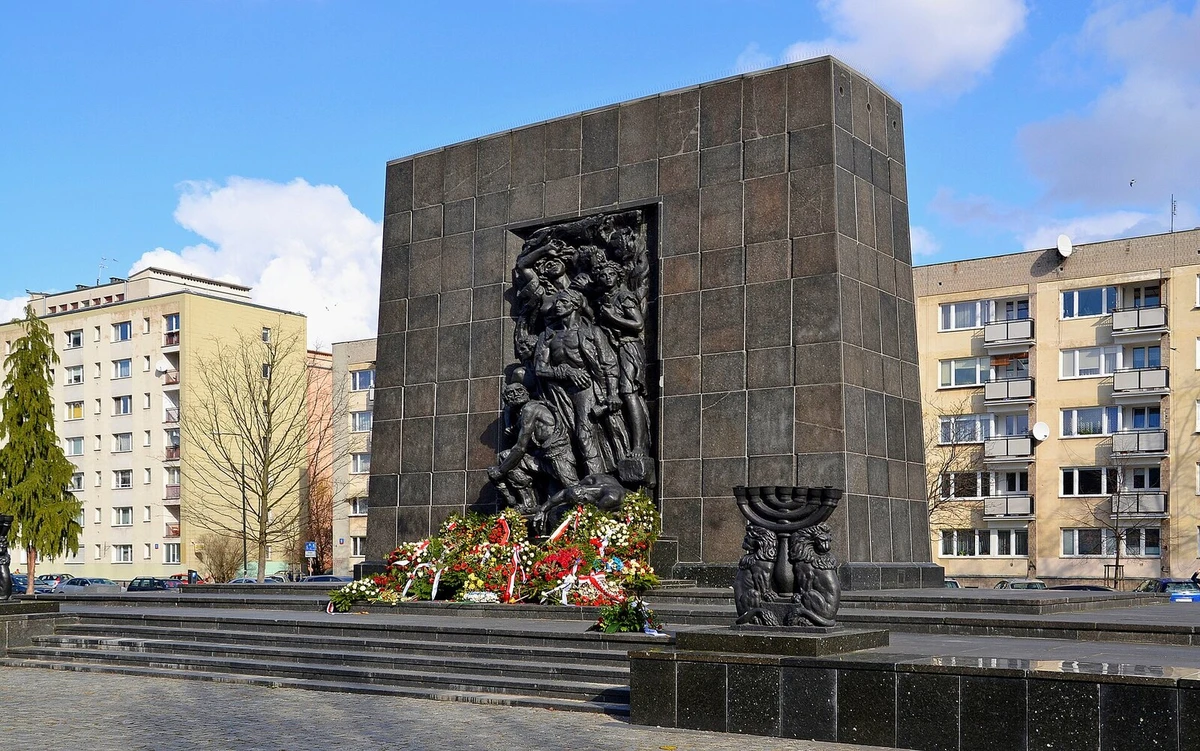
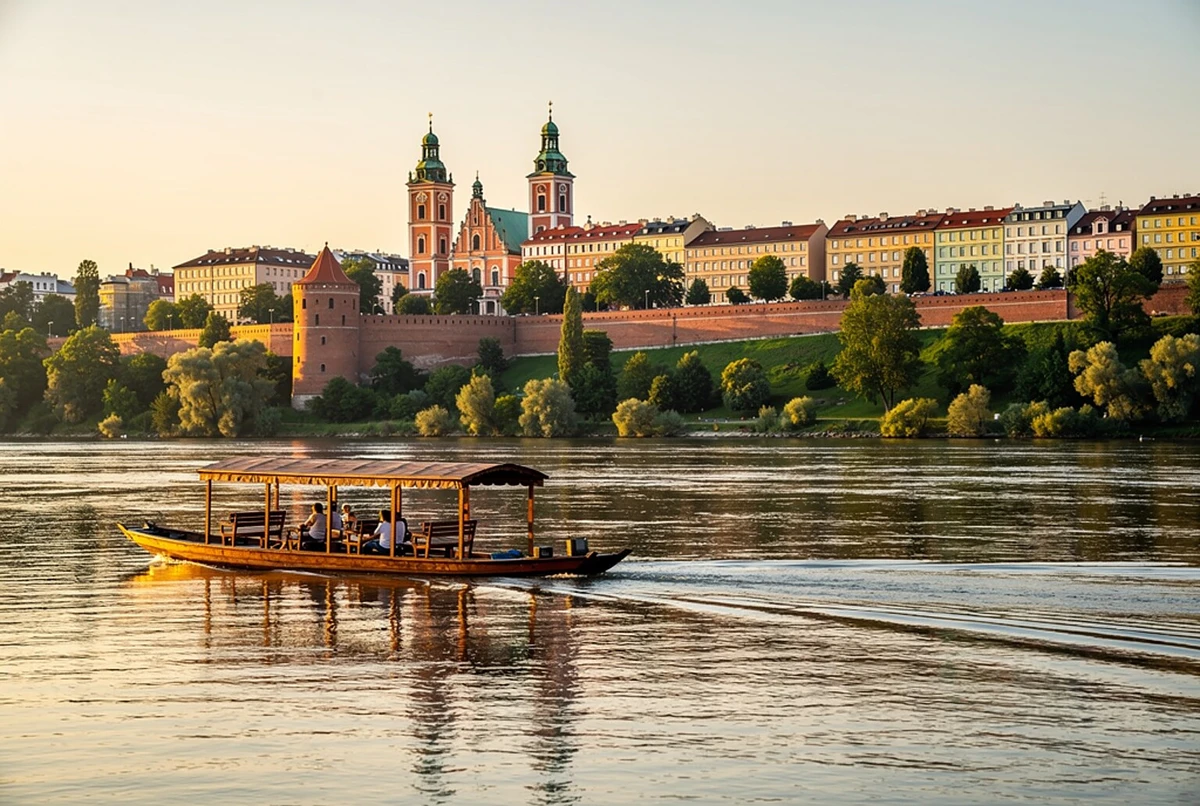
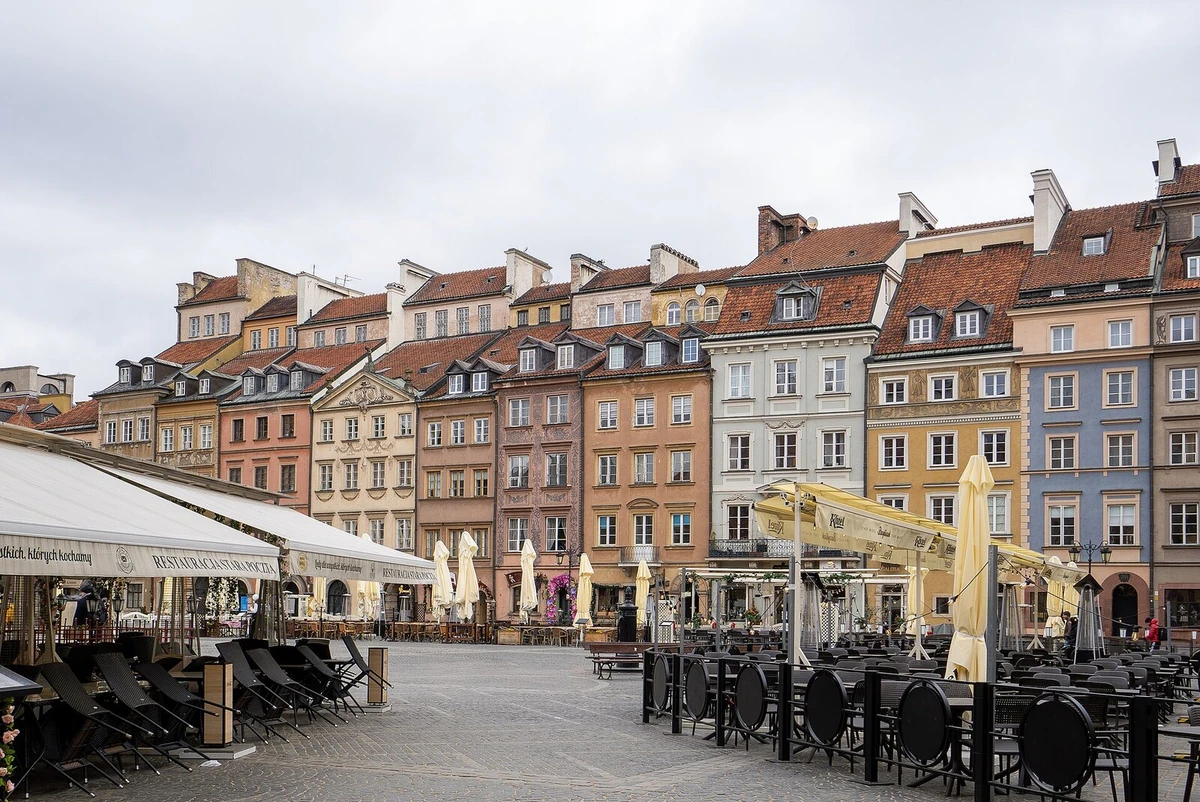
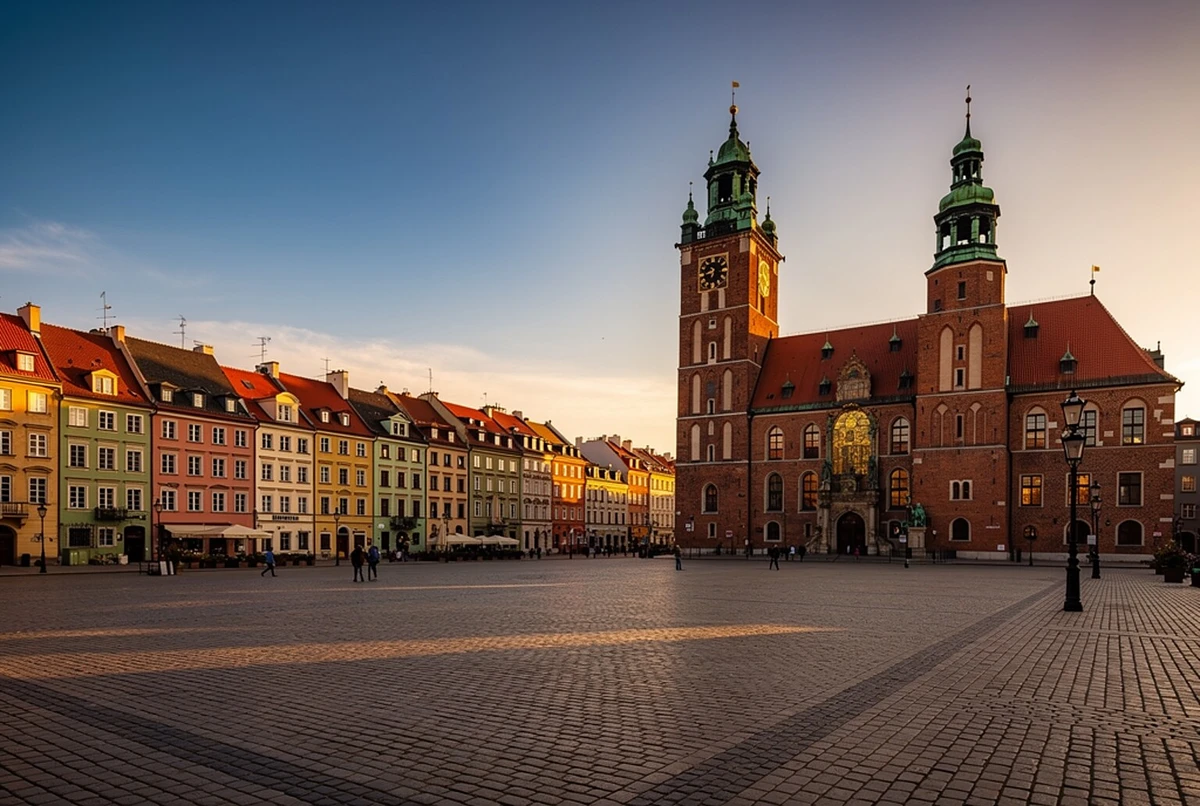
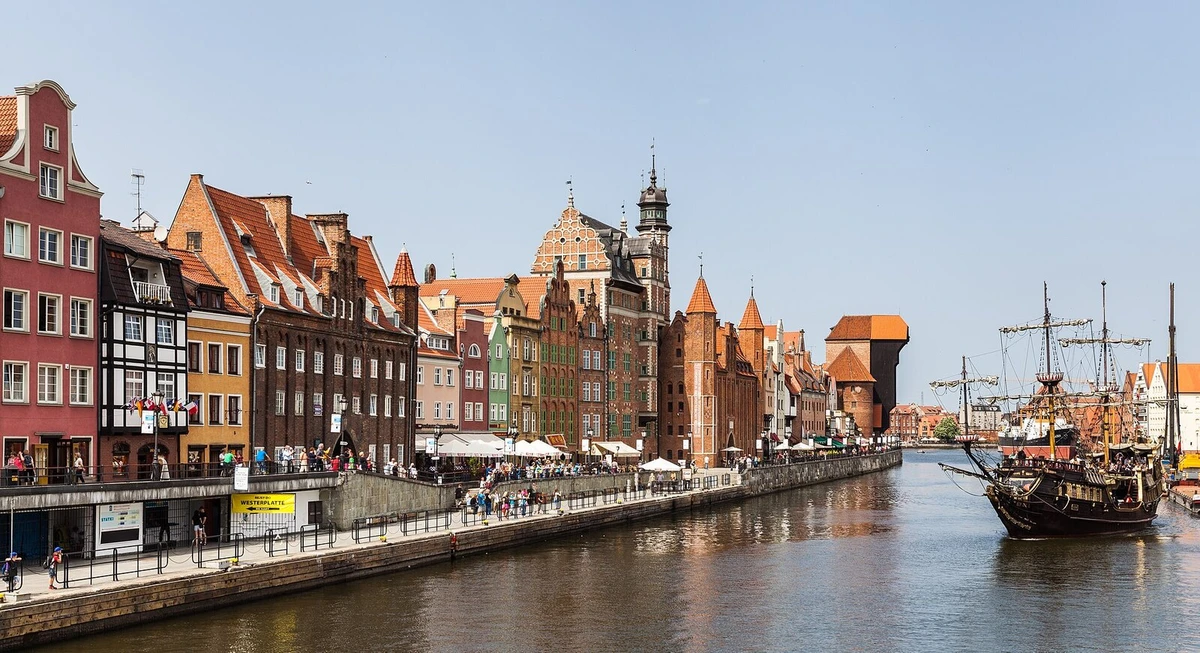
Photos show the places you visit; the boat or vehicle on the day may differ. Photos: Pudelek (CC BY-SA 4.0), via Wikimedia Commons
Some images are AI-generated for illustration. While we confirm your booking, just ask and we will send you the original photos.
- Fair, honest prices
- Real people, not bots
- Confirm, then pay
- Secure payment

Overview
This Jewish Warsaw walking tour is a shared, guided walk of about two and a half hours through Muranów and the streets of the former Warsaw Ghetto, led by a local English-speaking guide. Before the Second World War Warsaw was the second-largest Jewish city in the world, and the walk traces that community from its centuries of life in the city, through the flourishing culture of the interwar years, to the ghetto, its destruction and the small, active community of today. You meet at All Saints Church on Grzybowski Square, see the Nożyk Synagogue, the only pre-war synagogue in the city still standing, then walk to Chłodna Street, where a footbridge once joined the two parts of the ghetto, and Waliców Street on its former border. No hotel pickup.
Highlights
- Guided walk through Muranów and the area of the former Warsaw Ghetto
- The Nożyk Synagogue, the only surviving pre-war synagogue in Warsaw
- Grzybowski Square and the pre-war tenements of Próżna Street
- Chłodna Street and the site of the footbridge between the two ghetto areas
- Waliców Street, once the ghetto border, with its surviving walls
- Stories of pre-war Jewish life, the uprisings and the community today
- Local guide in English; factual and respectful telling of a difficult history
Full Description
Grzybowski Square and All Saints Church
The walk begins on Grzybowski Square, which for two centuries has been a meeting point of Jewish and Catholic Warsaw. The large All Saints Church on its southern side, where you meet the guide, stood inside the ghetto boundary in 1940 and served the Christians of Jewish origin confined there; its priests are remembered for helping to hide people. Beside the square, the short Próżna Street keeps a row of pre-war brick tenements, among the very few in this district that survived the war.
The guide uses the square to set the scene: how Jews settled in Warsaw, how the Muranów district became the heart of Jewish life in the nineteenth century, and how the community of more than 350,000 people lived before 1939. It is a quiet place to start a Warsaw Ghetto tour, and the contrast with the glass towers around the square is part of the story.
The Nożyk Synagogue
A few steps from the square, on Twarda Street, stands the Nożyk Synagogue, built between 1898 and 1902 with money left by a merchant couple and the only pre-war synagogue in Warsaw that is still standing. It is a neo-Romanesque building of pale stone and brick with round-arched windows and a small dome. The Germans used it as a stable and a warehouse during the occupation, which is why it survived when every other synagogue in the city was destroyed.
Today it is again the main synagogue of the Warsaw Jewish community, restored in the 1980s, and it is seen from outside on this walk. The guide explains its history, the Jewish quarter that once surrounded it, and the active community life that goes on here now. Note that Nożyk Synagogue opening hours for visitors are limited and it is closed on the Sabbath and Jewish holidays.
Chłodna Street and the ghetto footbridge
From Twarda Street the walk continues north-west to Chłodna Street. In November 1940 the German authorities sealed the ghetto behind walls, and Chłodna, an important road, was left outside it, cutting the enclosed area into a small and a large ghetto. In 1942 a wooden footbridge was built over the street so that people could cross between the two parts without touching the Aryan side. Photographs of that bridge are among the best-known images of the ghetto.
Nothing of the bridge remains, but a memorial of steel cables and old photographs now marks its position at the corner with Żelazna Street, and the guide stops here to explain daily life inside the walls, the deportations of the summer of 1942 and the Ghetto Uprising of April 1943. The surrounding streets still contain a few pre-war buildings and fragments of the ghetto wall.
Waliców Street and the former ghetto border
Waliców Street ran along the border of the ghetto, and it is one of the rare places in Warsaw where the pre-war fabric survives: three brick tenements with bricked-up windows, scarred facades and a rear wall that once formed part of the ghetto boundary. The guide explains how the border moved, how smuggling across it kept people alive, and what happened to the street during the Warsaw Uprising of 1944, when this area saw heavy fighting.
Standing between the ruined tenements and the modern office blocks that surround them, you understand the scale of destruction better than from any photograph: the whole district was levelled after the uprisings and rebuilt from nothing. The walk ends near here, within easy reach of the tram and the Rondo ONZ metro station.
Muranów, the district built on the ghetto
Throughout the walk you move through Muranów, the residential district built in the late 1940s and 1950s directly on the rubble of the ghetto; in places the ground level is noticeably higher because the debris was never cleared, only levelled and planted. The guide points out memorial stones, the marked line of the ghetto wall set into the pavements and the small plaques that record what stood on each site.
The tour is deliberately balanced: alongside the persecution and the uprisings it tells the story of resilience, of the writers, musicians and theatres of the interwar years and of the young, diverse Jewish community that lives in Warsaw today. It pairs well with a later visit to the museum of the history of Polish Jews, which stands in the heart of Muranów.
Itinerary
- Meeting at All Saints Church, Grzybowski SquareMeet the guide with the yellow umbrella at 10:00 for an introduction to Jewish Warsaw before the war (about 20 minutes).
- Próżna Street and the Nożyk SynagogueWalk past the surviving tenements to the synagogue and hear its story from outside (about 30 minutes).
- Chłodna StreetContinue to the site of the ghetto footbridge and the memorial at the corner of Żelazna Street (about 40 minutes including the walk).
- Waliców StreetSee the surviving tenements on the former ghetto border and hear about the uprisings of 1943 and 1944 (about 30 minutes).
- Muranów and the end of the walkFinal stops at ghetto wall markers and memorial plaques; the walk ends after about two and a half hours near public transport.
What's included
- English-speaking local guide
- 2.5-hour guided walking tour
- Nożyk Synagogue (seen from outside)
- Chłodna Street and the footbridge site
- Waliców Street and the former ghetto border
- Stories of pre-war Jewish Warsaw, the ghetto and the city's Jewish community today
Not included
- Hotel pickup and drop-off
- Food and drinks
- Entrance tickets to the synagogue or museums
Amounts shown for items not included (such as entrance tickets, park fees, boat rides or optional extras) are set by the attractions and local suppliers, can change without notice and are given as a guide only. Please confirm the current amounts with us on WhatsApp before your tour. Haqqi Tours has no control over these third-party prices; they are paid by you on the day unless they are listed as included.
Is this right for you?
Great for
- First-time visitors who want the highlights
- A half-day plan — about 2.5 hours
- Travellers who want a proven choice — rated 4.6/5 by past travellers
Think twice if
- You want a private tour — this one is shared with other travellers
- Walking is difficult for you — expect active parts
Not suitable for
- Guests who cannot walk for about two and a half hours on city pavements
Meeting point
Meet next to All Saints Church on Grzybowski Square in central Warsaw at 10:00 and look for the guide holding a yellow umbrella. The square is about ten minutes on foot from the Palace of Culture and Science and the Centrum metro station. There is no hotel pickup, and the walk ends in a different place, near the Rondo ONZ metro station.
Important information
- Wear comfortable walking shoes; the route is about three kilometres on pavements
- The tour runs in all weather, so bring an umbrella or rain jacket and warm layers in winter
- The synagogue is seen from outside; men visiting the interior on their own later should bring a head covering
- This is a general walking tour that you join with other guests; a smaller private walk can be arranged separately on request
- The subject is the Holocaust and the destruction of the ghetto; the guide tells it factually and respectfully, but parents should judge whether it suits younger children
- Hotel pickup, food and drinks are not included
- Bring water in summer; there are cafes near the start and end points
Good to know
Frequently Asked Questions
Straight answers to what travellers ask us most, before they book.
Is this a shared or a private walking tour?
It is a shared guided walk that you join with other guests. If you would like a smaller private walk, contact us and we will arrange it separately.
How long does the Jewish Warsaw walking tour take?
About two and a half hours, starting at 10:00 on Grzybowski Square.
Is hotel pickup included?
No. You meet the guide at All Saints Church on Grzybowski Square, which is central and easy to reach by metro, tram or on foot.
What is included?
A local English-speaking guide and the guided walk. Entrance tickets to the synagogue or museums, food and transport are not included.
Is the price per person or per group?
Per person. The booking panel on this page shows the current price.
Do we go inside the Nożyk Synagogue?
The synagogue is seen from outside on the walk. It can be visited separately on weekdays; the guide can advise on current opening hours.
Is the tour suitable for children and for people with reduced mobility?
The route is flat and on pavements, so it suits most walkers; wheelchair users should contact us first. The history is told respectfully, but the subject is hard, so parents should judge whether it suits younger children.
What should I bring?
Comfortable shoes, weather-appropriate clothing, water in summer and a camera.
What is the best time to take this tour?
The walk runs year-round in the morning. Spring and autumn are the most comfortable; winter visits are quieter and very atmospheric.
What happens in bad weather?
The tour goes ahead in rain or snow; dress for the weather. Only in extreme conditions would we move your booking to another day.
Can I visit the museum of the history of Polish Jews afterwards?
Yes. The museum stands in Muranów, a short walk or tram ride from the end of the tour, and the guide can point you towards it.
How do I book and confirm?
Choose your date on this page and send the booking; our team confirms on WhatsApp within minutes.
More in Warsaw
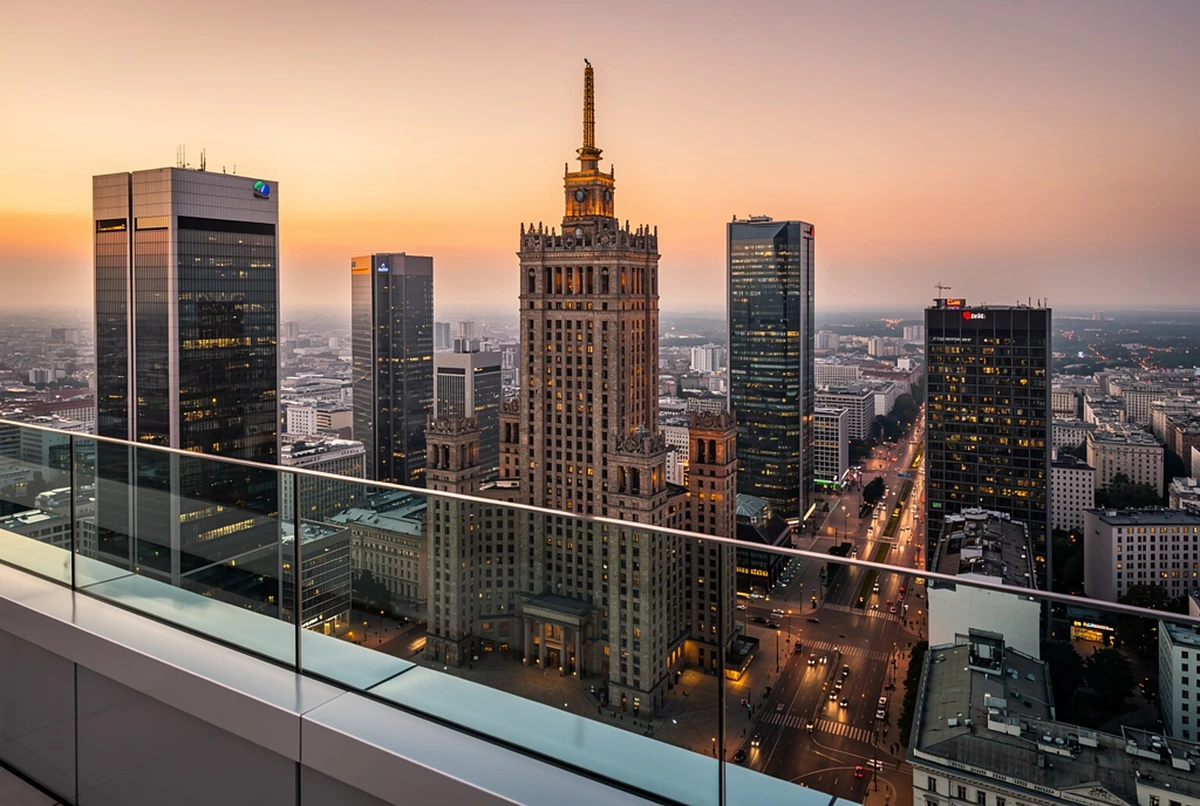
Getting to & around Warsaw
Popular across Poland
-
-
-
-
-
-