

Jávea
Plan Jávea with Haqqi Tours: day tours, private airport transfers, attraction tickets and packages, run by our own team and confirmed on WhatsApp in Arabic or English.
At first light the great limestone mass of Montgó glows orange above Jávea, and below it the sea lies so clear and still that you can see the rocks on the bottom from the cliffs. Fishing boats slip out of the little port past the lighthouse, kayaks glide towards the caves of the Cap de la Nau, and in the old town the golden stone of the fortified church warms in the sun as the morning market opens. The air smells of pine, salt and orange blossom.
Nothing matches those filters yet. Widen your search or message us on WhatsApp.
Jávea Day Tours
View all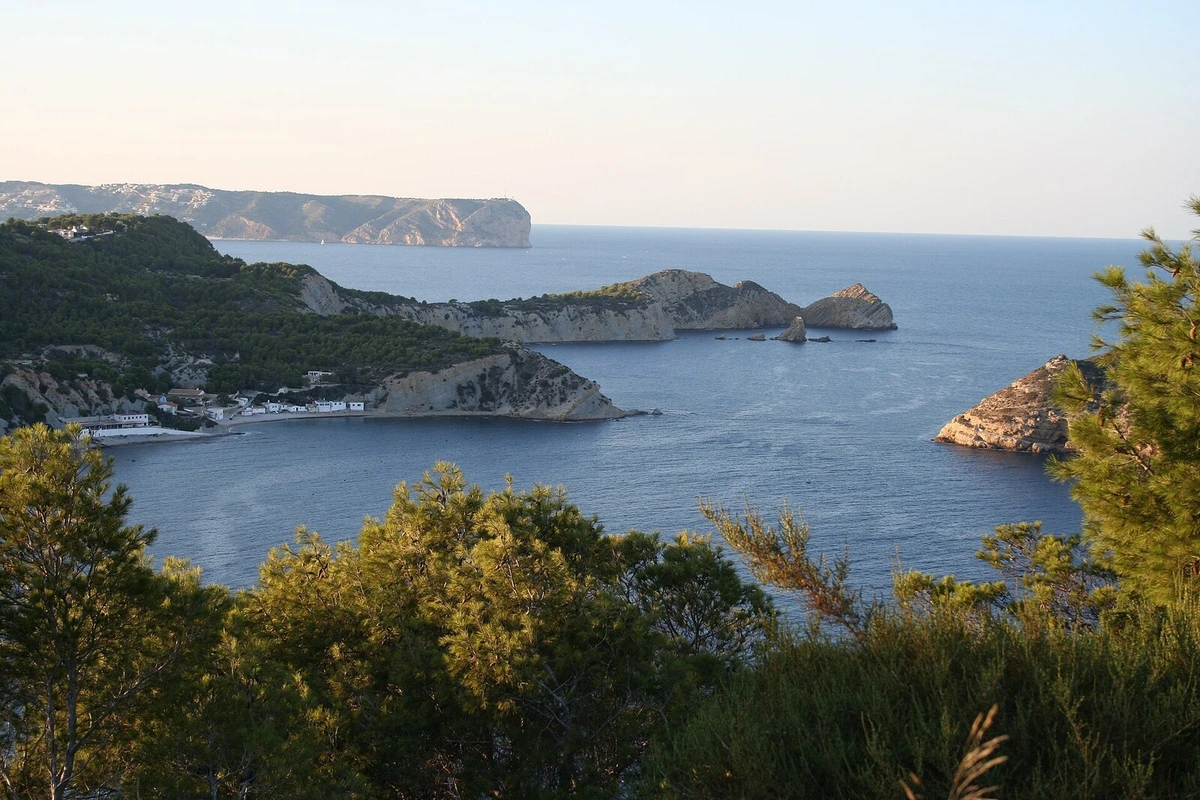
Jávea at first sight
Jávea, called Xàbia in Valencian, sits on the northern Costa Blanca in eastern Spain, on a coastline of capes, coves and sea caves halfway between Valencia and Alicante. Protected by Montgó Natural Park to the north and a marine reserve offshore, it has grown into a relaxed resort without losing its character: a historic inland town, a working fishing port and a sandy beach at Arenal. It is a wonderful base for kayaking, snorkelling and coastal walks.
Why include Jávea in your itinerary?
- Some of the clearest water on the Spanish Mediterranean. The coves and sea caves around Granadella and the Cap de la Nau are ideal for kayaking and snorkelling, with rocky reefs, fish and turquoise shallows just off the shore.
- Three towns in one. Jávea combines a golden-stone old town, a lively fishing port and the family-friendly sandy beach of Arenal, all linked by a seaside promenade.
- Capes, lighthouses and mountain views. The viewpoints of Cap de Sant Antoni and Cap de la Nau, the windmills of La Plana and the summit of Montgó offer some of the finest coastal panoramas in Spain.
Signature experiences in Jávea
Kayaking and Snorkelling at Granadella
Granadella cove lies in a pine-covered valley south of Jávea, with a pebble beach and water of extraordinary clarity. From here guided kayak trips follow the cliffs of the Cap de la Nau, slipping into sea caves and arches carved by the waves, with stops to snorkel over rocky reefs full of fish and sea urchins. Trips suit beginners and families, guides provide all equipment and briefings, and calm summer mornings bring the best visibility.
Cap de Sant Antoni and the Marine Reserve
The northern cape of Jávea rises sharply from the sea, crowned by a lighthouse and a viewpoint looking down over the whole bay, the port and the beaches. The waters below form a protected marine reserve with seagrass meadows and rich sea life. Nearby, a coastal path leads towards the Cova Tallada, a large sea cave once used as a quarry, which can be explored on foot over the rocks or by kayak.
The Old Town and the Church of Sant Bartomeu
Jávea's historic centre lies about two kilometres inland, built long ago to keep its people safe from raids from the sea. Its narrow streets are lined with houses of golden tosca stone, wrought-iron window grilles and arched doorways. At its heart stands the fortified Gothic Church of Sant Bartomeu, beside a covered market full of fruit, vegetables, fish and local sweets. Morning is the liveliest time to wander here.
The Port, the Arenal and the Promenade
Down by the sea, the port district of Duanes de la Mar has a working fishing fleet, a seafront promenade and a striking modern church shaped like the hull of a boat. A walk along the coast leads past rocky coves to the Arenal, Jávea's sandy beach, with shallow water, palm trees and a lively promenade of cafés and ice cream shops. It is perfect for families and evening strolls.
Montgó, La Plana and the Cap de la Nau
Montgó Natural Park protects the massive mountain that dominates Jávea, with trails for keen walkers to its summit and gentler paths through wild herbs and pine. On the plateau of La Plana stand old stone windmills overlooking the coast, while the great headland of the Cap de la Nau offers dramatic cliffs, a lighthouse and views towards the island of Portitxol.
Neighbourhoods and quarters to know in Jávea
The Old Town
Jávea's historic centre around the church and the covered market is authentic and lively by day, with small hotels, guesthouses, bakeries and local shops. It suits travellers who want a real Spanish town atmosphere, quiet evenings and easy parking, with the port and beaches a short drive or bus ride away.
The Port
The port district of Duanes de la Mar is a convenient and attractive base, with seafront hotels and apartments, fish restaurants, the boat church and the promenade, all within a short walk of the water. It is the closest area to Cap de Sant Antoni and a pleasant walk from the Arenal along the coast.
The Arenal
The Arenal beach area is Jávea's most popular base for families, with a sandy beach, shallow water, a lively promenade, cafés and apartments. Evenings are busy in summer and calm out of season, and it is the starting point for kayak and paddleboard rentals and an easy walk to the coves to the south.
Cap Martí and the Granadella Hills
The green hills to the south, around Cap Martí, Balcón al Mar and the road to Granadella, are dotted with villas and holiday rentals among pine trees, many with sea views. It is a peaceful choice for couples and families who want space, privacy and quick access to the coves of Granadella and the Cap de la Nau.
How long to stay in Jávea and how to pair it
Recommended stay
We recommend three nights in Jávea. One day for the old town, the port and the Arenal, a second for a kayak and snorkel trip at Granadella and the Cap de la Nau, and a third for Cap de Sant Antoni, the windmills of La Plana and a walk in Montgó Natural Park. With more time, add day trips to Altea, Guadalest or Valencia.
How to pair it
Jávea pairs naturally with Dénia, about fifteen minutes north, for its castle, harbour and ferries to the Balearic Islands, and with Altea, around forty minutes south, for its white old town and blue-domed church. The mountain village of Guadalest lies about an hour inland, while Valencia and Alicante are each around one and a quarter hours away. A week can combine Valencia, Jávea, Altea and Alicante, with private transfers arranged by our team.
Best time to visit Jávea and the rhythm of the day
Best months
The best time to visit Jávea is May to October, when the sea is warm, the water is clear for snorkelling and the coves are perfect for kayaking. June and September are especially pleasant, with fewer visitors and calm seas. July and August are hot and busy. Spring and autumn are lovely for walking in Montgó, and winter is mild and sunny, with a quiet, local feel.
The daily rhythm
Jávea moves at a relaxed Mediterranean pace. Mornings are the best time for kayaking and snorkelling, when the sea is calm and the light is clear, and for the old town market. Middle of the day is for the beach or a long lunch in the shade. In the late afternoon, families walk the promenades of the port and the Arenal, and dinner is usually served after nine.
On-the-ground logistics in Jávea
Arrival
Alicante Airport (ALC) is about one hour and fifteen minutes south of Jávea by motorway, and Valencia Airport (VLC) around one hour and twenty minutes to the north. The port of Dénia, about fifteen minutes away, has ferries to Ibiza, Formentera and Mallorca. High-speed trains from Madrid reach Valencia and Alicante. We arrange private transfers that meet you at arrivals, at the station or at the port and drive you directly to your hotel in Jávea.
Getting around
Jávea is spread out between its old town, port and beaches, so it is easiest to combine walking with buses, taxis or bicycles. The coastal promenade links the port and the Arenal on foot, and local buses connect the three areas. Granadella, the capes and the windmills are best reached by car, as public transport is limited. For day trips to Altea, Guadalest or Valencia, a private car with driver arranged by our team is the most comfortable choice.
Local etiquette tip
People in Jávea are friendly and relaxed, and many speak both Spanish and Valencian. Greet people with hola or bon dia, and cover up when leaving the beach for shops and restaurants. In the marine reserve and the natural park, do not collect shells, plants or sea creatures, and follow local rules on fires, as summer is a high-risk season. Tipping is not obligatory, but rounding up or leaving a little extra for good service is appreciated.
Must-do things in Jávea
- Kayak into the sea caves near Granadella
- Snorkel over the reefs of Granadella cove
- Watch the view from the Cap de Sant Antoni lighthouse
- Explore the Cova Tallada sea cave
- Wander the golden-stone lanes of the old town
- Visit the covered market by Sant Bartomeu
- See the boat-shaped church in the port
- Walk the promenade of the Arenal at sunset
- Stand among the windmills of La Plana
- Look out from the Cap de la Nau to Portitxol island
Do’s and don’ts in Jávea
Do
- Do go kayaking early while the sea is calm
- Do bring water shoes for pebble and rocky coves
- Do arrive early at Granadella in summer
- Do carry water and sun protection on trails
- Do try horchata, the tiger nut drink of Valencia
Don’t
- Don't take shells or sea creatures from the reserve
- Don't swim into caves without a guide
- Don't light fires or barbecues in the hills
- Don't drive to small coves in peak hours
- Don't walk around town in swimwear
Jávea at a glance
Plan Jávea with Haqqi Tours
Every option is confirmed by our team on WhatsApp before you pay, and delivered by our own people or by trusted local partners we work with in every city. Because we send travellers from all over the world, our partners give us special rates and priority, so you always receive the best. Prices are per person unless marked per vehicle.
About Haqqi Tours: About us Contact us Legal NoticePrivacy PolicyCookies & Marketing PreferencesTerms & ConditionsBooking, Payment & Refunds
More services in Jávea
Where we operate in Spain
- Barcelona
- Mallorca
- Malaga
- Tenerife
- Madrid
- Seville
- Valencia
- Gran Canaria
- Lanzarote
- Fuerteventura
- Granada
- Benidorm
- Bilbao
- Córdoba
- Ibiza
- Salou
- Alicante
- Marbella
- Menorca
- Nerja
- La Palma
- Sant Feliu de Guíxols
- Toledo
- Almería
- Cádiz
- Jerez de la Frontera
- San Sebastián
- Benalmadena
- Lloret de Mar
- Santiago de Compostela
- Dénia
- Fuengirola
- La Herradura
- Montserrat
- O Grove
- Santander
- Tarifa
- Torremolinos
- Torrevieja
- Blanes
- Cangas de Onís
- Cartagena
- Comillas
- Figueres
- Gijón
- Isla Cristina
- Jaén
- L'Estartit
- Murcia
- Oviedo
- Ronda
- Roses
- Santa Pola
- Tossa de Mar
Good to know
Frequently Asked Questions
Straight answers to what travellers ask most about Jávea.
Where should I stay in Jávea?
Families often choose the Arenal for its sandy beach and promenade, while the port suits those who want sea views and an easy walk to Cap de Sant Antoni. The old town offers authentic local life, and the hills of Cap Martí and Granadella are best for villas and privacy. Our team suggests the best area for your plans and arranges your private transfer from Alicante or Valencia Airport.
Is Jávea worth visiting from Valencia or Alicante?
Yes. Jávea is about one and a quarter hours from both cities, and while a day trip shows the old town and a viewpoint, staying two or three days lets you enjoy kayaking, snorkelling, the capes and the coves at a relaxed pace. We arrange private day trips or transfers from either city.
What is the dress code and etiquette in Jávea?
Dress is casual and light, with water shoes for the coves and walking shoes for Montgó and the capes. Swimwear is for the beach only, so cover up in town, shops and restaurants. Dress modestly when entering churches, respect the marine reserve and natural park rules, and keep noise low in residential areas at night.
Is Jávea suitable for families and Muslim travellers?
Yes. Jávea is calm, safe and full of easy outdoor fun, from shallow sandy water at the Arenal to guided kayak trips and gentle snorkelling. Halal food is limited in Jávea itself, but fresh fish, seafood rice dishes, vegetables, fruit and pastries are easy to find. Valencia and Alicante have mosques and halal restaurants, and our team can advise on suitable places to eat.
Is it safe to travel to Jávea now?
Jávea and the Costa Blanca are generally considered very safe for travellers. Take normal care with belongings at beaches and parking areas, follow guides' instructions on kayak and snorkel trips, and avoid the hottest hours on mountain trails. Check your own government's official travel advice before departure, and keep our WhatsApp line handy throughout your stay.
What are the must-do things in Jávea?
The must-do things in Jávea include kayaking and snorkelling at Granadella, the Cap de Sant Antoni and Cap de la Nau viewpoints, the Cova Tallada, the old town and its market, the port and its boat-shaped church, the Arenal promenade and the windmills of La Plana. Our private tours combine these in the best order and timing.
How many days do you need in Jávea?
Three days is ideal for Jávea: one for the old town, the port and the Arenal, one for kayaking and snorkelling at Granadella, and one for the capes and Montgó. Two days cover the highlights at a quicker pace, while five days allow trips to Altea, Guadalest and Valencia.
What can I book in Jávea with Haqqi Tours?
Day tours, including Granadella Kayak & Snorkel Tour to Sea Caves Jávea and Turquoise Cave Coastal Kayak and Snorkel Tour Jávea. Each has its own page, and the WhatsApp desk combines any of them into one plan with one written price.
How do I get from the airport to my hotel in Jávea?
With a private transfer: a driver at arrivals, flight tracking and a fixed price for the whole vehicle, door to door. Tell the desk the flight number and the hotel.
Is there public transport from the airport to Jávea?
Public options vary by airport and end at a station rather than your hotel; the private transfer starts at the arrivals door and ends at your door.
Which tours are available in Jávea?
Among them: Granadella Kayak & Snorkel Tour to Sea Caves Jávea and Turquoise Cave Coastal Kayak and Snorkel Tour Jávea. Each page says whether the day is private or small-group, what it includes and how long it lasts.
Are the tours private or in a group?
Both exist, and each tour page says which. A private tour has a vehicle and guide for your party alone; the desk can make most group tours private on request.
How do I book?
Fill in the form on any page or message us on WhatsApp with the date, the number of travellers and the hotel. A member of our team confirms the price and the details in writing within minutes.
Are the prices fixed?
Yes - every price is agreed in writing on WhatsApp before you travel and does not change on the day.
Do the drivers and guides speak Arabic or English?
It depends on the city and the day, so we do not promise a particular language; tell us your preference and we do our best. The WhatsApp desk always works in Arabic and English.
Can I change or cancel a booking in Jávea?
Yes, in the same WhatsApp conversation. The terms depend on the product and on how close to the date the change comes; the desk states them before you pay.