Spanish Civil War History Walking Tour Barcelona
- DurationAbout 2.5 hours
- Daily
- Group
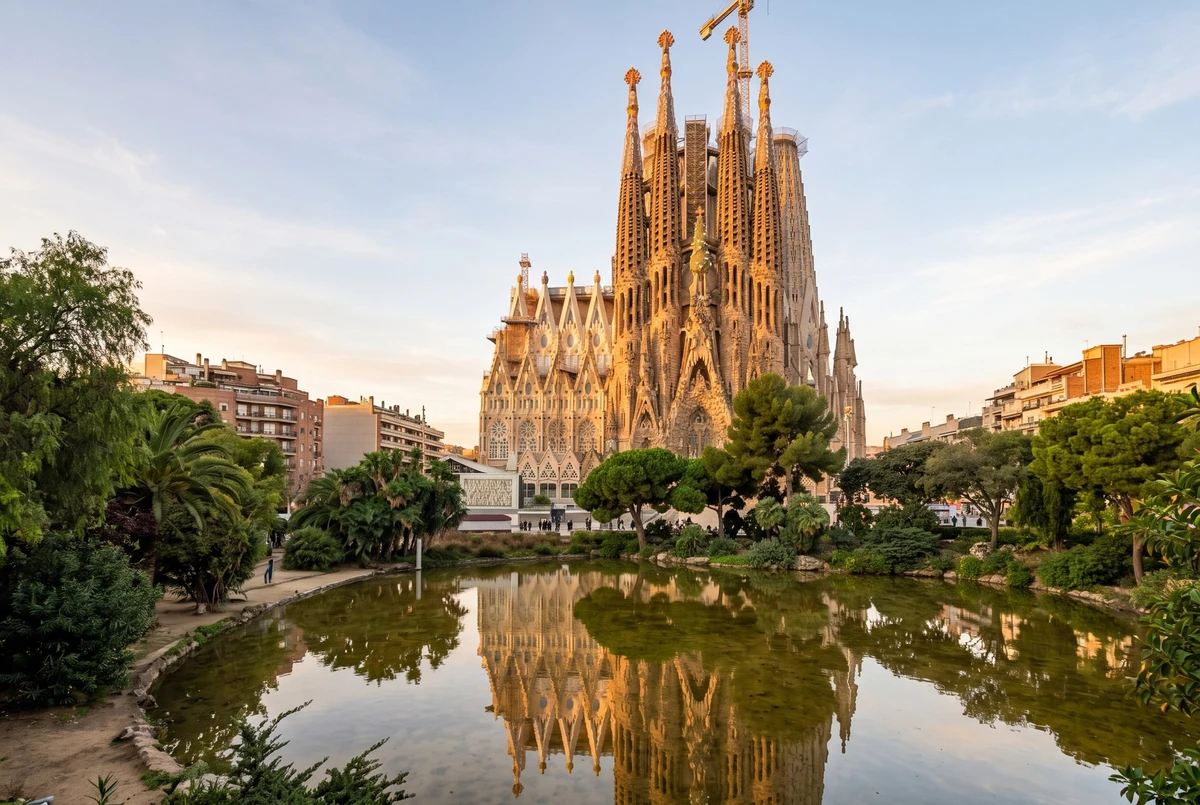
Some images are AI-generated for illustration. While we confirm your booking, just ask and we will send you the original photos.
- Fair, honest prices
- Real people, not bots
- Confirm, then pay
- Secure payment

Overview
This is a 2.5-hour guided walking tour in English about the Spanish Civil War of 1936 to 1939 and the long dictatorship that followed it, told in the streets of Barcelona where the fighting and the air raids happened. Starting at Plaça de Catalunya, your expert guide leads a shared small group through the old town and the Gothic Quarter, using historic photographs and clear storytelling to untangle the factions, the foreign powers involved, the International Brigades and how Spain remembers this period today. There are almost no official museums on the subject in the city, so the walk itself is the best way to understand it. It suits history lovers and curious travellers. The tour ends by Barcelona City Hall; no hotel pickup is included.
Highlights
- Discover the hidden twentieth-century history behind Barcelona's famous streets
- Understand the factions: Republicans, Nationalists, anarchists and communists
- Stand at Plaça de Catalunya, where the street fighting of July 1936 was decided
- See wartime scars and air-raid stories in the old town and Gothic Quarter
- Learn who the International Brigades were and why volunteers came from abroad
- Historic photographs shown at the very places where events happened
- Small shared group with an expert English-speaking history guide
- Finish by Barcelona City Hall on Plaça de Sant Jaume
Full Description
Plaça de Catalunya: where the war began in Barcelona
Plaça de Catalunya is the hinge between the old town and the nineteenth-century Eixample, and in July 1936 it was the stage for the first battle of the war in the city. When army units rose against the Republic on 19 July, workers' militias, police and loyal troops fought them around the square and the old telephone exchange building on its eastern side, and within two days the uprising in Barcelona had failed.
Less than a year later, in May 1937, the same telephone exchange became the spark of fighting between rival groups on the Republican side, a story your guide explains with photographs taken on this very spot. Today the square is the busiest meeting point in Barcelona, with fountains, sculptures and pigeons, which is why our walking tour starts here: few people crossing it know what it witnessed.
The old town streets around La Rambla
From the square the walk enters the old town, where the first months of the war turned Barcelona into a city of militias, collectivised shops and political posters. These narrow streets around La Rambla saw barricades, requisitioned hotels and party headquarters, and in May 1937 they were split by the street fighting that divided the Republican camp between the anarchists and the communist-backed government.
Your guide uses clear storytelling to make sense of who was who, and how foreign volunteers and journalists described the city at the time. Anyone searching for a Spanish Civil War tour in Barcelona usually finds that the sites carry no plaques at all; seeing them with an expert is what turns ordinary corners, doorways and balconies into living history, and gives the rest of your stay in the city a new depth.
The Gothic Quarter and the scars of the air raids
The Gothic Quarter, the medieval heart of Barcelona, also carries the deepest marks of the war. Between 1937 and 1939 the city suffered heavy bombing from the air, carried out by the Italian and German air forces supporting the Nationalists, and in March 1938 three days of raids killed nearly a thousand civilians. Pitted stone walls in the old town still show the shrapnel, most famously in the small square of Sant Felip Neri.
Here the guide also explains the wider picture: the role of Nazi Germany and Fascist Italy, the non-intervention policy of Britain and France, the help sent by the Soviet Union and the volunteers of the International Brigades, who came from dozens of countries and were given a farewell parade in Barcelona in October 1938. It is the most moving part of the walk.
Plaça de Sant Jaume and how Spain remembers
The tour ends after about two and a half hours on Plaça de Sant Jaume, where Barcelona City Hall faces the Palau de la Generalitat, the seat of the Catalan government. The square stands on the site of the Roman forum of Barcino and has been the political centre of the city for centuries, so it is the natural place to close the story of the Republic, the fall of Barcelona in January 1939 and the 36-year dictatorship that followed.
Your guide explains what life was like under the regime, how Catalan language and culture were suppressed, how the return to democracy came after 1975 and how Spain is still debating memory laws, mass graves and monuments today. From here you are in the middle of the Gothic Quarter, a few minutes on foot from the cathedral, the Born district and the metro.
Itinerary
- Meet at Plaça de CatalunyaMeet your guide, who holds a white umbrella, and get an introduction to the causes of the war and the uprising of July 1936 on the square where it was fought.
- Old town streets and La Rambla areaWalk into the old town to hear about the revolution of 1936, the militias and the street fighting of May 1937, with historic photographs at each stop.
- Gothic Quarter and air-raid sitesSee wartime scars on the stone walls and learn about the bombing of the city, foreign intervention and the International Brigades.
- Plaça de Sant JaumeFinish by Barcelona City Hall with the story of the dictatorship, the return to democracy and how Spain remembers the war today. Total walk about 2.5 hours.
What's included
- Professional English-speaking history guide
- 2.5-hour walk through the old town and the Gothic Quarter
- Historic photographs shown at the sites
- Stories of the factions, the bombings and the years of dictatorship
- Finish by Barcelona City Hall in the Gothic Quarter
Not included
- Hotel pickup and drop-off
- Food and drinks
- Tips
- Wireless headset (a small fee may be charged on the day, card or cash)
Is this right for you?
Great for
- First-time visitors who want the highlights
- Travellers who want a proven choice — rated 4.9/5 by past travellers
Think twice if
- You want a private tour — this one is shared with other travellers
- Walking is difficult for you — expect active parts
Not suitable for
- Not advised for young children, as the tour covers war, politics and dictatorship (children may join)
Meeting point
Meet your guide on the pavement at Plaça de Catalunya, on the side of the square that faces the top of La Rambla; the guide holds a white umbrella so you can spot the group easily. The walk starts at 10:30, so please arrive about 10 minutes early. There is no hotel pickup; Catalunya metro and train station is right below the square. The tour ends by Barcelona City Hall on Plaça de Sant Jaume in the Gothic Quarter.
Important information
- The tour runs rain or shine, so bring an umbrella or light rain jacket if needed
- Wear comfortable walking shoes; the route is about 2.5 hours on foot on city streets
- The tour covers war, politics and dictatorship and is not advised for young children
- Guides usually use wireless headsets; a small headset fee may be paid on the day by card or cash
- Bring water and sun protection in summer
- Food, drinks and tips are not included
- Keep your bag closed in busy areas such as La Rambla
Good to know
Frequently Asked Questions
Straight answers to what travellers ask us most, before they book.
Is this a shared or a private experience?
It is a shared group walking tour in English, led by an expert history guide.
How long does it take?
About 2.5 hours, starting at 10:30 at Plaça de Catalunya and ending by Barcelona City Hall.
Is hotel pickup included?
No. You meet the guide at Plaça de Catalunya, which is easy to reach by metro, train or on foot from most central hotels.
What is included?
A professional English-speaking history guide and the guided walk with historic photographs. Food, drinks, tips and transport are not included.
Is the price per person or per group?
The price is per person. The booking panel on this page shows the current price of each option.
Is it suitable for children or people with reduced mobility?
The route is wheelchair accessible. Children may join, but the subject of war and dictatorship is better suited to teenagers and adults.
What should I bring?
Comfortable shoes, water, sun protection in summer and an umbrella or rain jacket on wet days.
What happens in bad weather?
The tour takes place rain or shine. If it is ever cancelled for safety reasons, we help you change the date or refund you.
Are there Spanish Civil War sites to see in Barcelona?
Yes, but very few are marked. The walk shows places linked to the street fighting, the air raids and the political life of the war years in the old town and Gothic Quarter.
Do I need to know the history before the tour?
No. The guide starts from the basics and explains the factions and the main events clearly, with pictures.
What is the best time to take this tour?
The 10:30 start works all year. In summer it avoids the hottest part of the afternoon, and in winter it is a good indoor-outdoor history option.
How do I book and confirm?
Choose your date in the booking panel and send your request. Our team confirms your booking on WhatsApp within minutes.
More in Barcelona
Getting to & around Barcelona
Popular across Spain
-
-
-
-
-
-