Johannesburg Full-Day Tour with Soweto and Apartheid Museum
- DurationAbout 8 hours
- Daily — pickup at 08:30 or 09:00, back around 17:00
- Group
- Pickup available
Photos show the places you visit; the boat or vehicle on the day may differ. Photos: Justin Hall (CC BY 2.0) · Pia Andrews (CC BY 2.0) · Andrew Moore (CC BY-SA 2.0), via Wikimedia Commons
Some images are AI-generated for illustration. While we confirm your booking, just ask and we will send you the original photos.
- Fair, honest prices
- Real people, not bots
- Confirm, then pay
- Secure payment

Overview
This full-day Johannesburg tour tells the story of South Africa from the gold rush to democracy in about 8 hours, with hotel pickup anywhere in Johannesburg at 08:30 or 09:00. In an air-conditioned vehicle with a live guide, you start at Constitution Hill, drive through the old inner city with photo stops at the Nelson Mandela Bridge, Chancellor House and Gandhi Square, then spend about 2 hours in the Apartheid Museum. In Soweto you see the painted Orlando Towers, have lunch at a local eatery at your own expense, pass the FNB Stadium, visit Mandela House on Vilakazi Street and the Hector Pieterson Memorial. It is a shared tour with all entry tickets included, and it covers more city landmarks than tours built around an included lunch.
Highlights
- About 2 hours in the Apartheid Museum, entry included
- Constitution Hill, the Old Fort prison and the Constitutional Court
- Photo stops at the Nelson Mandela Bridge, Chancellor House and Gandhi Square
- Soweto with the Orlando Towers and Vilakazi Street
- Mandela House, where the family lived from 1946 to 1962
- Hector Pieterson Memorial and Museum, entry included
- Hotel pickup and drop-off anywhere in Johannesburg
Full Description
Constitution Hill
Constitution Hill stands on the ridge above central Johannesburg, on the site of the Old Fort, built in the 1890s and later used as a notorious prison complex where both ordinary criminals and political prisoners were held, including many leaders of the struggle against apartheid. The cells of the Number Four section and the women's jail are preserved as a museum.
Next to the prison rises the Constitutional Court, inaugurated on 21 March 2004, South Africa's Human Rights Day, and built partly with bricks from the demolished awaiting-trial block. Its foyer, with slanted columns symbolising trees under which village elders traditionally met, is a powerful symbol of how the new democracy chose to build justice on the site of injustice.
Johannesburg inner city: Mandela Bridge, Chancellor House and Gandhi Square
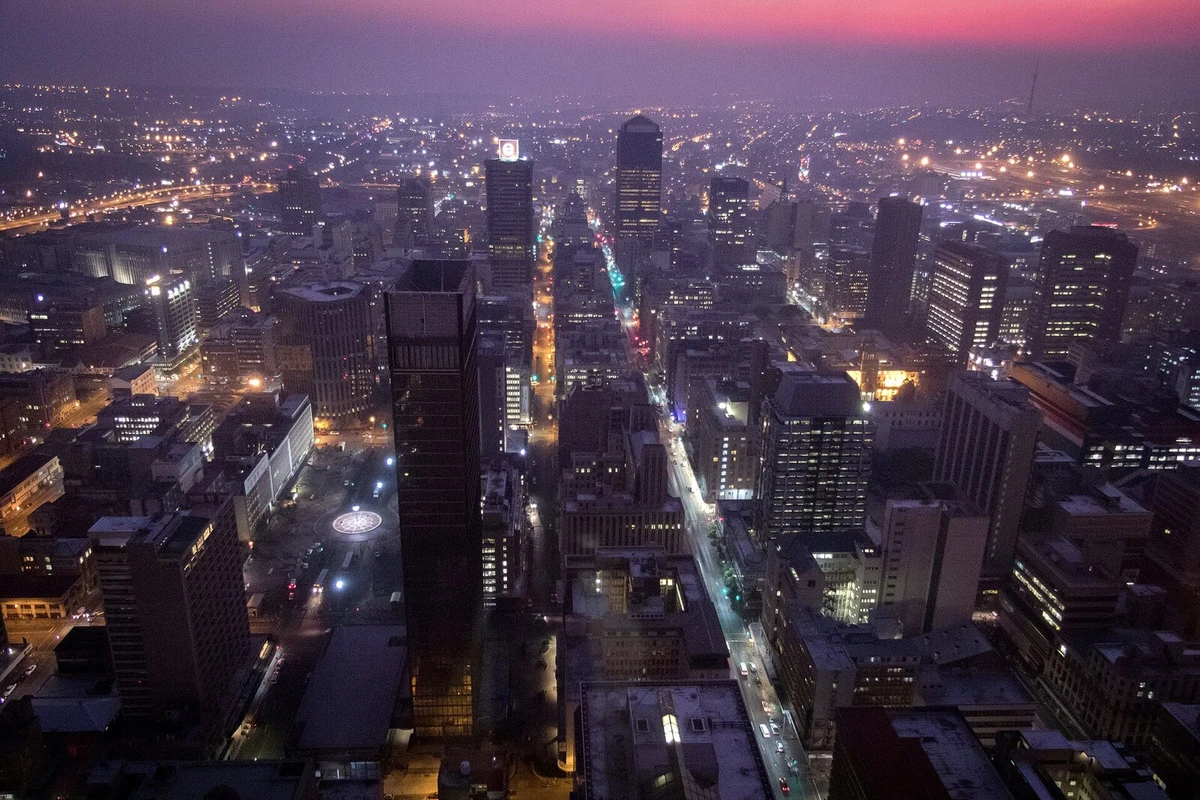
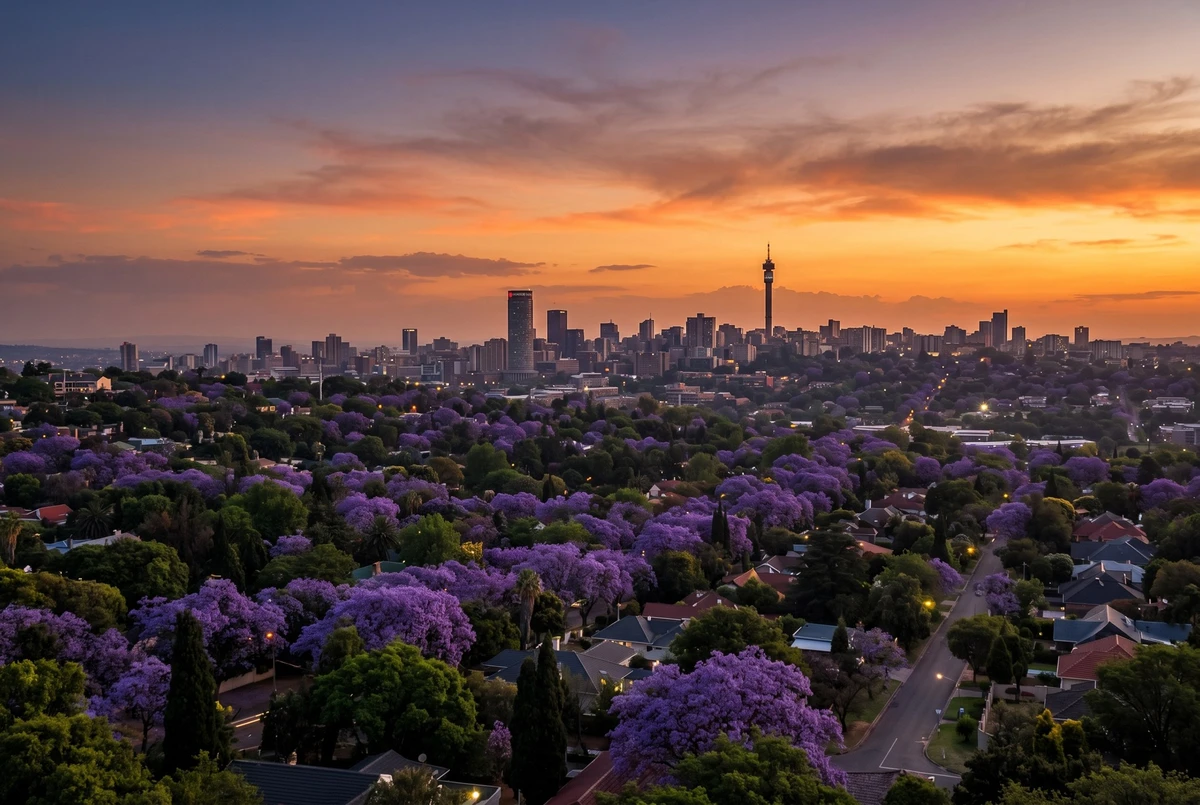
Johannesburg was founded in 1886 after gold was discovered on the Witwatersrand, and its old central business district still shows the grand buildings of the mining boom. The tour drives through it with short photo stops, starting with the Nelson Mandela Bridge, a 284-metre cable-stayed bridge opened in 2003 that spans the railway lines between Braamfontein and Newtown.
Chancellor House, a modest building near the magistrate's court, housed the first Black-owned law firm in the country in the 1950s, founded by two lawyers who later led the liberation movement. Nearby Gandhi Square commemorates the years when the young Indian lawyer practised in Johannesburg and began developing his philosophy of non-violent resistance.
The Apartheid Museum
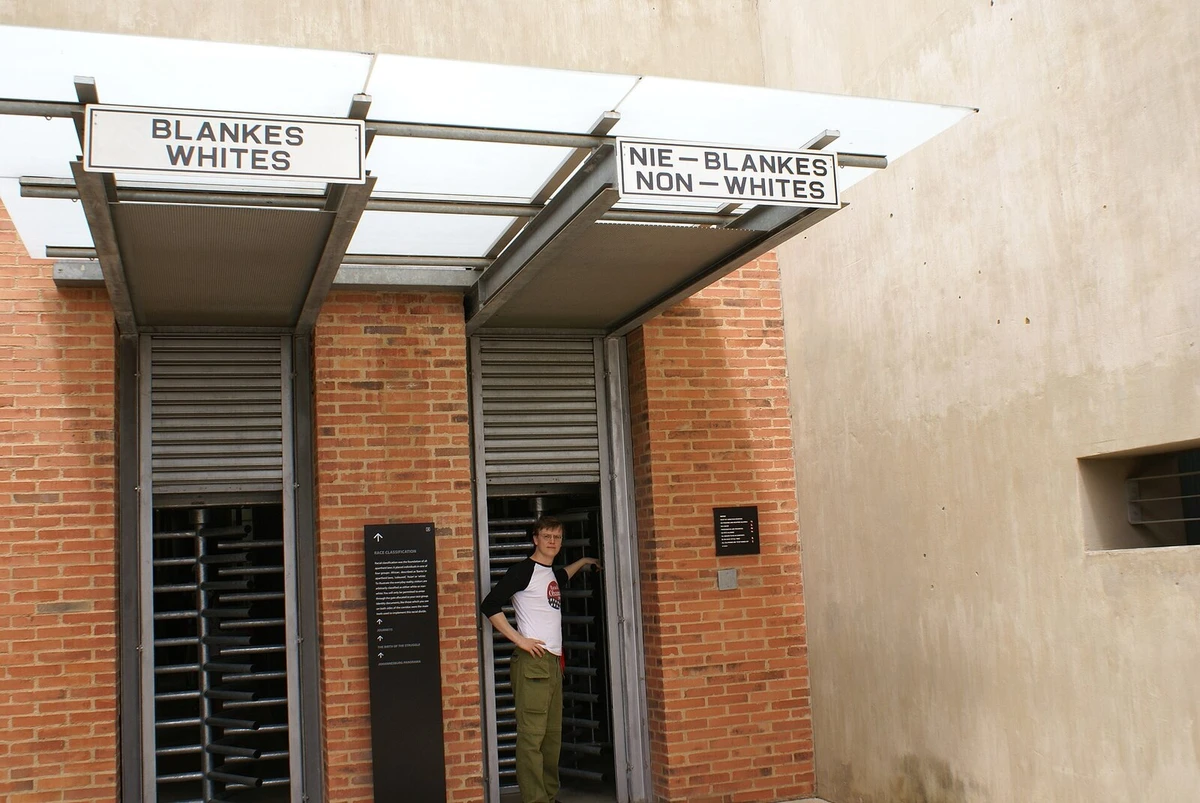
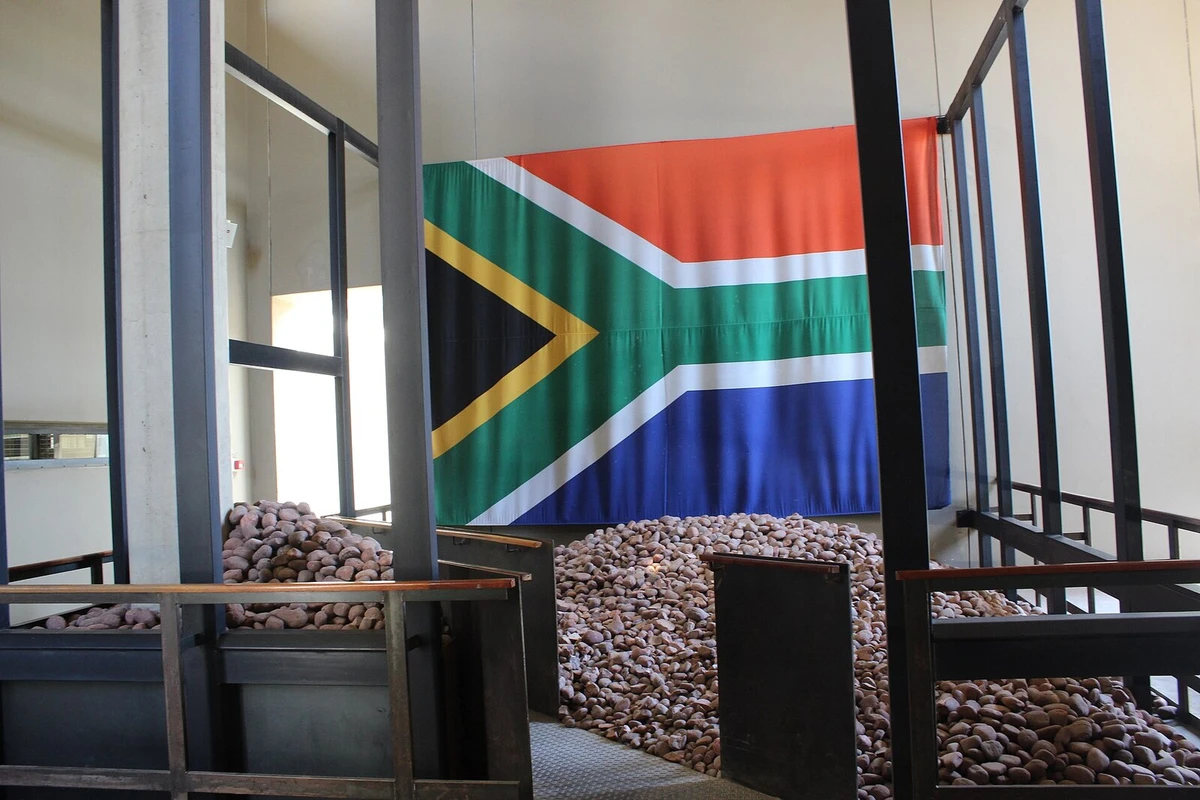
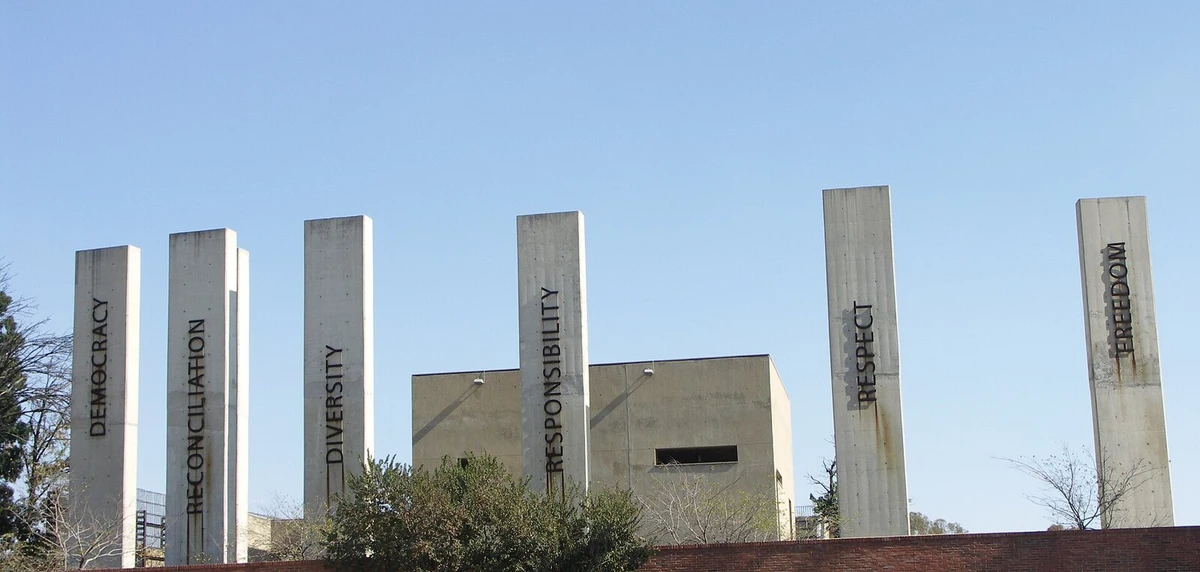
Opened in 2001, the Apartheid Museum is the most complete museum of its kind in the world. From the moment you enter, through one of two separate doors marked for white and non-white visitors, it makes you feel the absurdity of racial classification. Galleries of photographs, film and personal objects trace the rise of the apartheid system from 1948, the resistance, the Soweto uprising and the negotiations that ended it.
You have about 2 hours here, enough to see the main exhibitions at a thoughtful pace, including the section on the transition to democracy and the first free elections of 1994. Apartheid Museum tickets are included in this tour. The museum is moving and sometimes graphic; parents may want to guide younger children through it.
Soweto, the Orlando Towers and the FNB Stadium
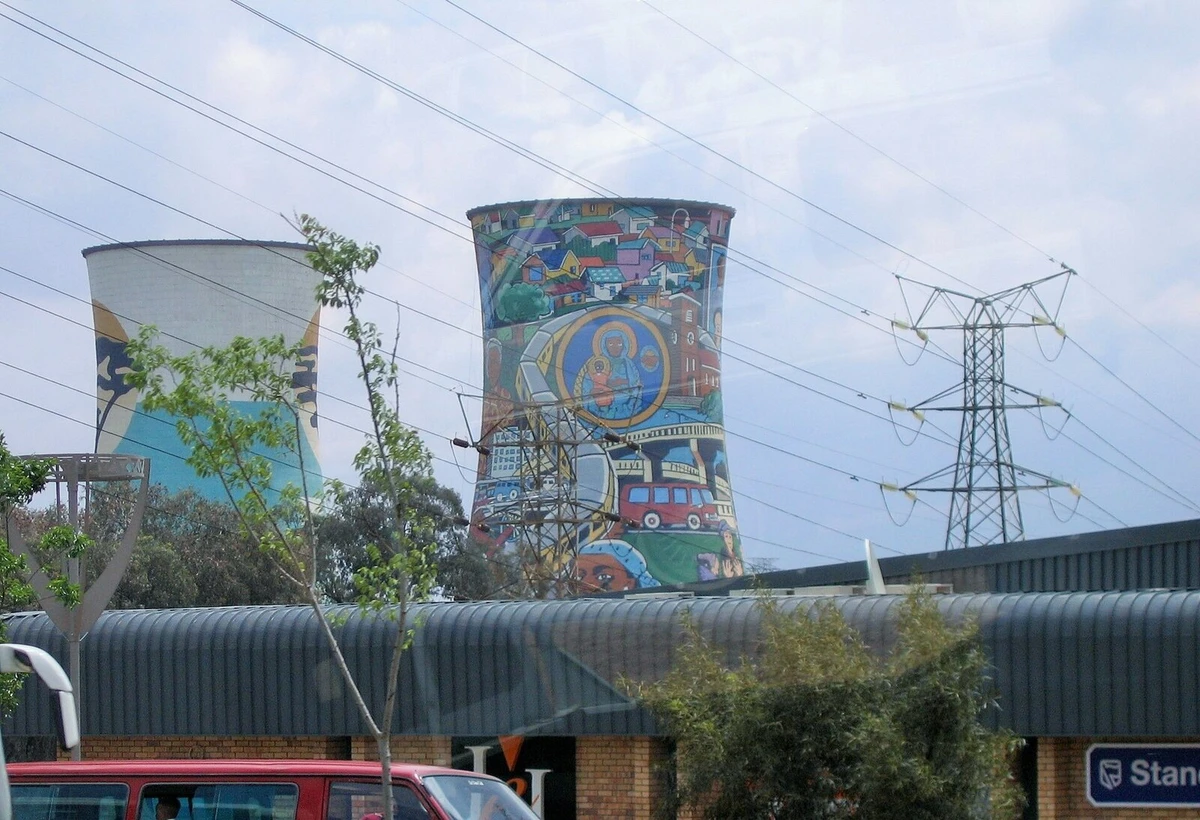
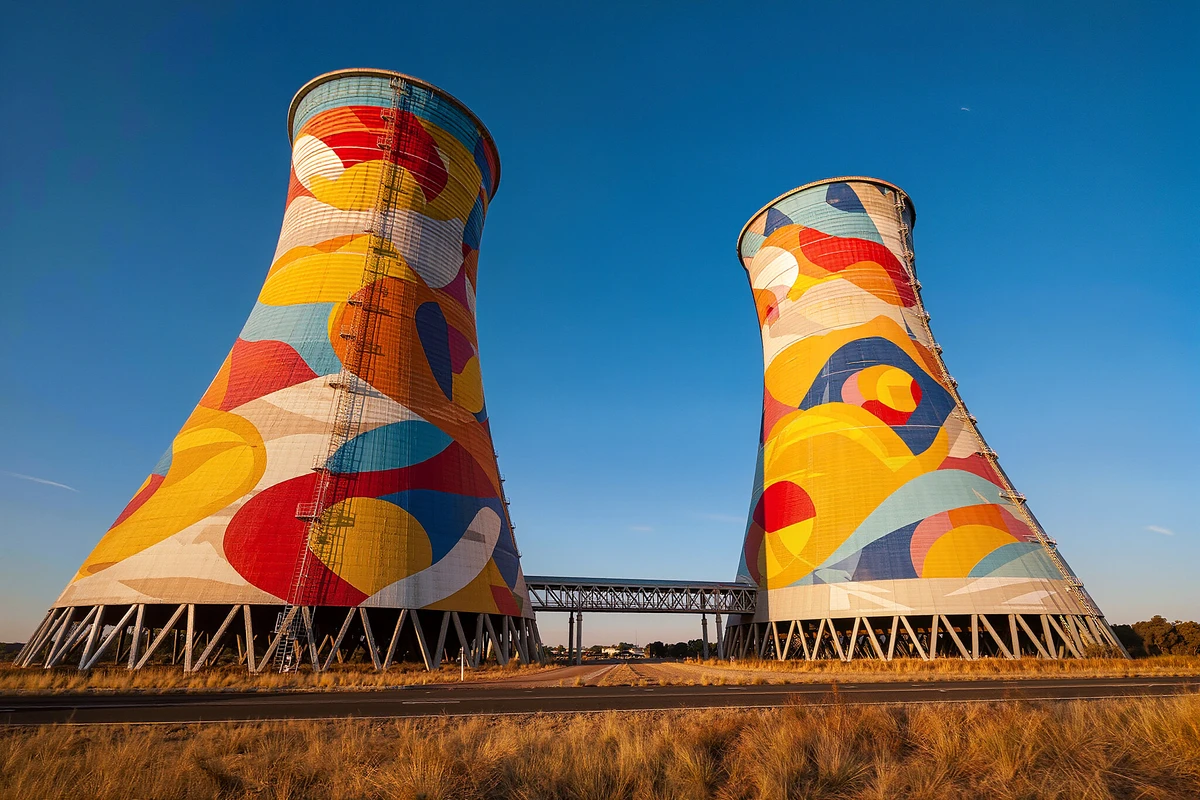
Soweto, short for South Western Townships, grew from the 1930s as a separate area for Black workers and is now a vibrant city of more than a million people. The tour passes the two Orlando Towers, former power-station cooling towers painted with giant colourful murals, and stops for lunch at a local eatery, where you can try dishes such as pap with chakalaka, braaied meat or a kota, a quarter loaf filled with chips and fillings (lunch at your own expense).
You also stop for photos at the FNB Stadium, the calabash-shaped stadium on the edge of Soweto that hosted the final of the 2010 football World Cup. Many travellers ask whether a Soweto tour is safe and worthwhile: visiting with a local guide is the best way to understand the township and its people respectfully.
Vilakazi Street, Mandela House and the Hector Pieterson Memorial
Vilakazi Street in Orlando West is the only street in the world where two Nobel Peace Prize laureates once lived. You pass the Tutu House and visit Mandela House, the small red-brick house where the Mandela family lived from 1946 to 1962, now a museum with family photos, personal belongings and the bullet marks on its walls.
A few minutes away is the Hector Pieterson Memorial and Museum, with entry included. It remembers 16 June 1976, when students marching against the imposition of Afrikaans in schools were fired on by police; 12-year-old Hector Pieterson was among the first killed. Today 16 June is Youth Day, a national holiday, and the museum tells the story of the uprising with great dignity.
Itinerary
- Hotel pickupPickup from your hotel anywhere in Johannesburg at 08:30 or 09:00.
- Constitution HillAbout 1.5 hours at the Old Fort and the Constitutional Court.
- Inner-city photo stopsNelson Mandela Bridge, Chancellor House and Gandhi Square, a few minutes each.
- Apartheid MuseumAbout 2 hours exploring the museum, entry included.
- Soweto and lunchOrlando Towers and lunch at a local eatery (own expense).
- FNB Stadium and Vilakazi StreetPhoto stop at the stadium, pass by the Tutu House and visit Mandela House.
- Hector Pieterson MemorialVisit to the memorial and museum, entry included.
- Drop-offBack at your hotel around 17:00.
What's included
- Hotel pickup and drop-off in Johannesburg
- Air-conditioned vehicle
- Live guide
- Apartheid Museum entry ticket
- Hector Pieterson Memorial entry ticket
- Mandela House visit
- Constitution Hill and inner-city photo stops
Not included
- Food
- Drinks
- Internet
- Snacks
- Wheelchairs
Amounts shown for items not included (such as entrance tickets, park fees, boat rides or optional extras) are set by the attractions and local suppliers, can change without notice and are given as a guide only. Please confirm the current amounts with us on WhatsApp before your tour. Haqqi Tours has no control over these third-party prices; they are paid by you on the day unless they are listed as included.
Is this right for you?
Great for
- Travellers without a car — hotel pickup is included
- History and culture lovers
- Travellers who want a proven choice — rated 4.8/5 by past travellers
Think twice if
- You want a private tour — this one is shared with other travellers
Not suitable for
- Pregnant women
- Wheelchair users
Meeting point
Our guide picks you up from your hotel anywhere in Johannesburg at 08:30 or 09:00; the exact time is confirmed after booking. The tour ends around 17:00 with drop-off at your hotel.
Important information
- Lunch, snacks and drinks are not included; bring some local currency or a card for lunch in Soweto.
- All entry tickets on the itinerary are included.
- Wear comfortable shoes and bring a hat and sunscreen.
- The museums deal with violence and oppression; some displays are graphic.
- Wheelchairs are not provided and some sites have steps.
- Bring a light jacket in winter (June to August); mornings are cold.
- Mandela House has its own opening hours; the guide adjusts the order of visits if needed.
Good to know
Frequently Asked Questions
Straight answers to what travellers ask us most, before they book.
Is this a shared or a private experience?
It is a shared full-day tour in an air-conditioned vehicle with a live guide speaking English or French.
How is this different from other Soweto and Apartheid Museum tours?
This tour adds inner-city stops at Constitution Hill, the Nelson Mandela Bridge, Chancellor House, Gandhi Square and the FNB Stadium, and includes entry to the Hector Pieterson Memorial. Lunch is at your own expense, which leaves more time for the sights.
How long does it take?
About 8 hours, from the morning pickup to the drop-off around 17:00.
Is hotel pickup included?
Yes, from hotels anywhere in Johannesburg.
What is included?
Hotel pickup and drop-off, the air-conditioned vehicle, a live guide, entry to the Apartheid Museum and the Hector Pieterson Memorial, the Mandela House visit and all the photo stops on the itinerary.
Is lunch included?
No. You stop at a local eatery in Soweto and pay for your own meal; it is a good chance to try pap, chakalaka or a kota.
Is the price per person or per group?
The price is per person and the same for all ages. The booking panel on this page shows the current price.
Is it suitable for children or reduced mobility?
Older children and teenagers gain a lot from it, though some museum content is intense. It is not suitable for wheelchair users, as wheelchairs are not provided and some sites have steps.
Is it safe to visit Soweto?
Visiting Soweto with a local guide, as on this tour, is the recommended way to see the township safely and respectfully.
How long should I spend at the Apartheid Museum?
About 2 hours is ideal to see the main exhibitions without rushing, and that is the time this tour allows.
What happens in bad weather?
The tour runs in all weather, as most visits are indoors. Summer afternoon thunderstorms are common from November to March, so bring a light rain jacket.
How do I book and confirm?
Choose your date in the booking panel and send your request with your hotel name. Our team confirms on WhatsApp within minutes and sends your pickup time.
More in Johannesburg



Getting to & around Johannesburg
Popular across South Africa
-
-

-

-

-

-