Vietnamese Coffee Making Class with Egg Coffee Ho Chi Minh City
- Duration2 hours
- Daily
- Group
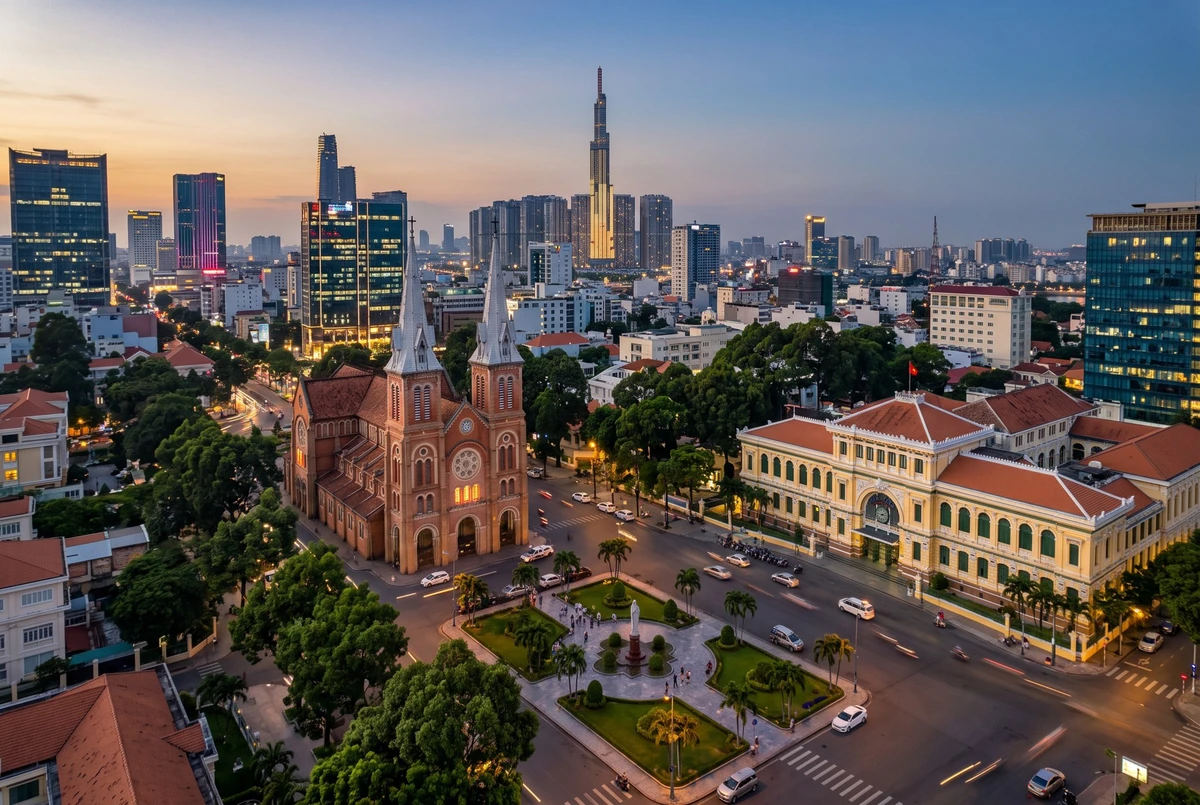
Some images are AI-generated for illustration. While we confirm your booking, just ask and we will send you the original photos.
- Fair, honest prices
- Real people, not bots
- Confirm, then pay
- Secure payment

Overview
Learn to brew four of Vietnam's best-loved coffees in a hands-on, two-hour workshop tucked down a quiet alley in central Ho Chi Minh City. A head barista introduces the story of coffee in Vietnam, then guides you through the slow phin drip method before you make egg coffee, iced condensed-milk coffee, sea-salt coffee and coconut coffee yourself, working on layering, texture and presentation. You taste every cup, finish with a relaxed Q&A on the country's changing coffee culture and leave with a recipe book of ten Vietnamese coffees. It is a shared group class that suits coffee lovers, couples and families with older children. There is no hotel pickup, and a second option adds a DIY kit with a phin filter and warmer.
Highlights
- Brew four classic coffees: egg, iced condensed-milk, sea-salt and coconut
- Hands-on phin drip brewing led by a head barista
- The story of coffee in Vietnam, from colonial plantations to today's café scene
- Taste every coffee you make and learn to balance bitter and sweet
- Coffee book with ten Vietnamese recipes to keep
- All equipment and ingredients included, tips included
- Vegan versions available on request
- Quiet alley workshop in central Ho Chi Minh City
Full Description
The Coffee Workshop in Alley 131
The class takes place in a small workshop down hem 131, one of the narrow residential alleys that thread through central Ho Chi Minh City. Saigon's alleys are where much of daily life happens: neighbours cook on doorsteps, children ride bicycles between plant pots and tiny cafés serve coffee on low plastic stools. Stepping off the main road into the alley is a quick lesson in how the city really lives.
Inside, the workshop is set up with individual brewing stations, phin filters, kettles and all the ingredients you need, so each guest works hands-on rather than just watching. Groups stay small enough for the barista to correct your technique cup by cup. How to get to the coffee workshop: taxis and ride-hailing cars usually stop at the entrance of alley 131; walk down the corridor and it is the fourth building on the left.
Egg Coffee: Vietnam's Most Famous Cup
Egg coffee, ca phe trung, was created in Hanoi in the 1940s, when fresh milk was scarce and a resourceful café cook whisked egg yolk with sugar and condensed milk into a thick, sweet cream to float on strong black coffee. The result tastes like a cross between custard and tiramisu, and it has become one of the drinks visitors most want to try in Vietnam.
In the class you learn how to make Vietnamese egg coffee properly: separating the yolk, whisking until pale and airy, and pouring the foam over a short, intense phin brew so the layers stay distinct. The barista explains why the cup is traditionally set in a bowl of hot water to keep it warm, and how to adjust sweetness. This is usually the highlight of the egg coffee class in Ho Chi Minh City, and the recipe is easy to repeat after your trip.
Phin Brewing, Iced Milk Coffee, Salt and Coconut
Everything starts with the phin, a small metal drip filter that sits on top of the cup and lets hot water seep slowly through dark-roasted Robusta, taking four to five minutes per cup. You learn the right grind, the amount of coffee, how to bloom it with a little water and when to press the lid, then pour the brew over condensed milk and ice for ca phe sua da, the iced milk coffee that powers Saigon every morning.
From there you move on to two newer favourites. Sea-salt coffee, born in the central city of Hue, tops the coffee with a lightly salted cream that brings out its sweetness. Coconut coffee blends coconut milk, condensed milk and ice into a smooth, frosty drink that is perfect for the tropical heat. By the end you understand how texture and temperature change every cup.
Vietnam's Coffee Story and Saigon Café Culture
Coffee arrived in Vietnam with French missionaries in the mid-nineteenth century, and plantations spread across the Central Highlands around Buon Ma Thuot. Today Vietnam is one of the largest coffee producers on earth and the leading grower of Robusta, the stronger, more bitter bean that explains the dark roasts and the love of condensed milk, which kept well in the heat long before refrigerators.
The class closes with tasting and a Q&A where the barista talks about how Saigon drinks coffee today, from sidewalk stools at dawn to specialty roasters. Is a Vietnamese coffee workshop in Saigon worth it? For anyone who enjoys coffee, yes: it is a relaxed way to spend two hours, it works in any weather, and you leave able to recreate the drinks with the recipe book.
Itinerary
- Welcome at the workshopMeet the head barista in alley 131 and settle in at your brewing station. About 10 minutes.
- The story of coffee in VietnamAn introduction to the history, the beans and the role of coffee in daily life. About 15 minutes.
- Phin brewing and iced milk coffeeLearn the drip method step by step and make ca phe sua da. About 25 minutes.
- Egg coffeeWhisk the egg cream and layer it over a fresh phin brew. About 25 minutes.
- Sea-salt and coconut coffeeMake the salted cream topping and the frosty coconut blend. About 25 minutes.
- Tasting and Q&ATaste your four coffees, ask questions about Vietnam's coffee culture and receive your recipe book. About 20 minutes.
What's included
- Hands-on class led by a head barista
- Brew 4 traditional coffees: egg coffee, iced condensed-milk coffee, sea-salt coffee and coconut coffee
- All coffee-making equipment
- Tasting of every coffee you make
- Q&A session on Vietnam's coffee history and culture
- Coffee book with 10 Vietnamese coffee recipes
- Tips included
Not included
- Transport to and from the workshop
Is this right for you?
Great for
- Food lovers
- A short visit — about 2 hours
- Travellers who want a proven choice — rated 4.9/5 by past travellers
Think twice if
- You want a private tour — this one is shared with other travellers
Not suitable for
- Children under 5 years
- Pregnant women
- People with back problems
Meeting point
The class takes place at the coffee workshop in alley 131 (hem 131) in central Ho Chi Minh City. If you come by taxi or ride-hailing car you will most likely be dropped at the start of the alley: walk down the corridor and the workshop is the fourth building on the left. Please arrive about ten minutes before your class at 09:00, 12:00 or 15:00. Hotel pickup is not included, and we send you the map pin on WhatsApp when we confirm.
Important information
- There is a lot of caffeine in this class: eat something beforehand
- Wear comfortable clothes and shoes suitable for a hands-on workshop
- Bring a camera and a bottle of water
- Tell us about food allergies or dietary needs when you book; vegan versions are available
- Egg coffee is made with raw egg yolk; let us know if you need an alternative
- Transport to and from the workshop is not included
- Arrive ten minutes early so the class can start on time
Good to know
Frequently Asked Questions
Straight answers to what travellers ask us most, before they book.
Is this a shared or a private experience?
It is a shared group class: you brew at your own station alongside other guests, guided by the head barista.
How long does it take?
About two hours, with classes at 09:00, 12:00 and 15:00.
Is hotel pickup included?
No. You make your own way to the workshop in alley 131; taxis and ride-hailing cars drop you at the alley entrance.
What is included?
The hands-on class with a head barista, all equipment and ingredients, tasting of the four coffees you make, a Q&A session, a coffee book with ten recipes and tips.
Is the price per person or per group?
The price is per person. The booking panel on this page shows the current price of each option, including the one with the DIY coffee kit.
Is it suitable for children or travellers with reduced mobility?
It is not suitable for children under 5, pregnant women or people with back problems, as you stand and work at a brewing station. Older children can join, though the drinks are strong.
How do you make Vietnamese egg coffee?
Egg yolk is whisked with sugar and condensed milk into a thick, pale cream, then spooned over a short, strong phin coffee. You practise every step in the class and take the recipe with you.
What is salt coffee?
A specialty from Hue in central Vietnam: coffee topped with a lightly salted cream that softens the bitterness and brings out the sweetness. It is one of the four coffees you make.
What should I bring?
A camera, water and comfortable shoes, and eat something before the class because of the caffeine.
What is the best time of day for the class?
The 09:00 class is a lovely start to the day; the 15:00 class is a cool, indoor break from the afternoon heat or rain. It runs all year in any weather.
Can I take a coffee kit with me?
Yes. A second option includes a DIY kit with ground Robusta coffee, a phin filter and a warmer, so you can brew at your own kitchen table later.
How do I book and confirm?
Choose your date, class time and option in the booking panel. Our team confirms your booking on WhatsApp within minutes and sends the exact location.
More in Ho Chi Minh City

Getting to & around Ho Chi Minh City
Popular across Vietnam
-
-
-

-

-

-