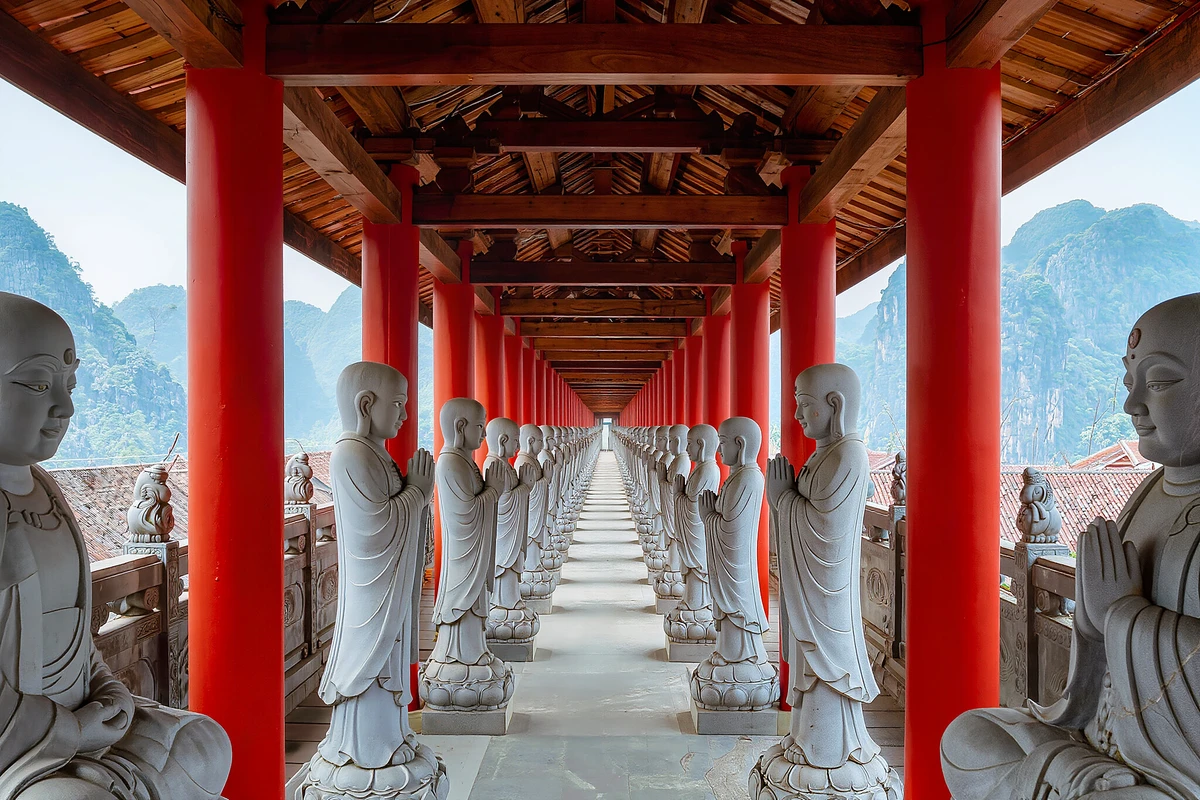
Sapa Coffee Making Class with Fansipan and Muong Hoa Valley View
- Duration2 to 2.5 hours
- Daily — 10:00 and 14:00
- Group
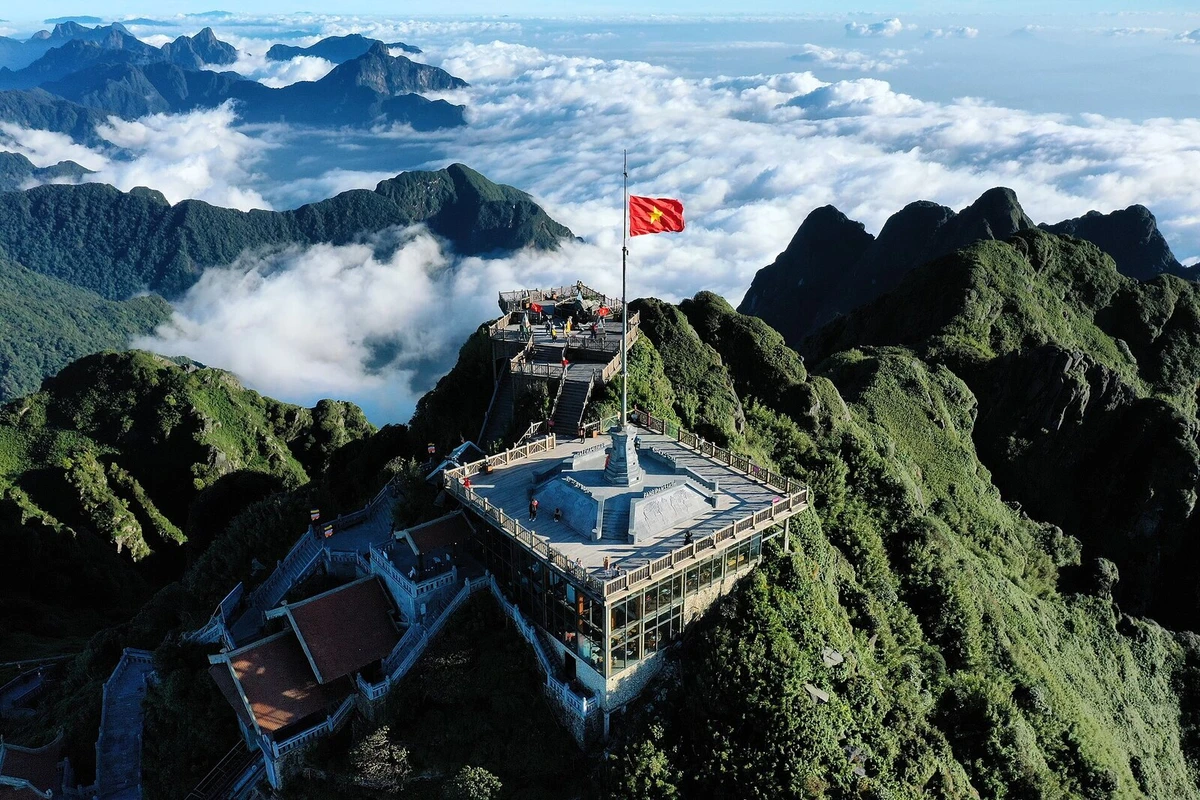
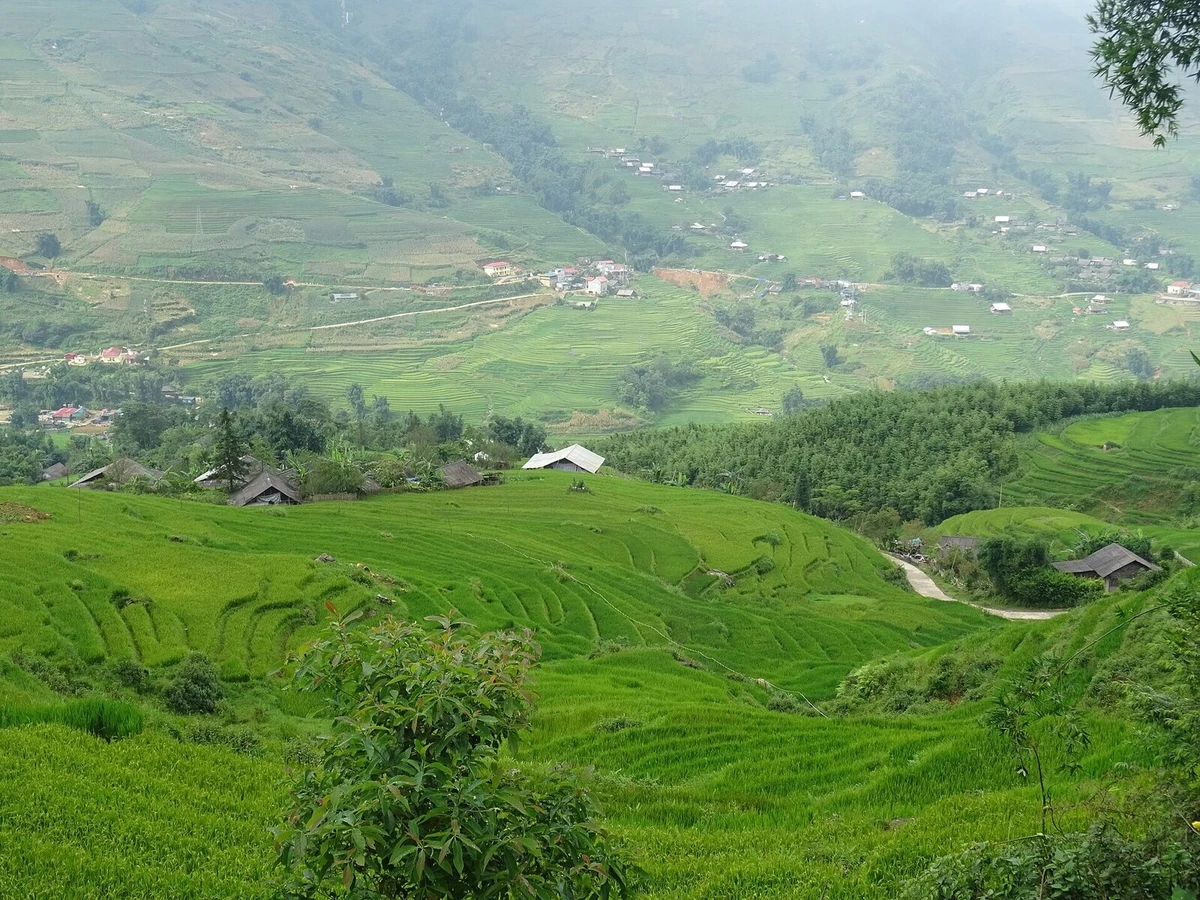
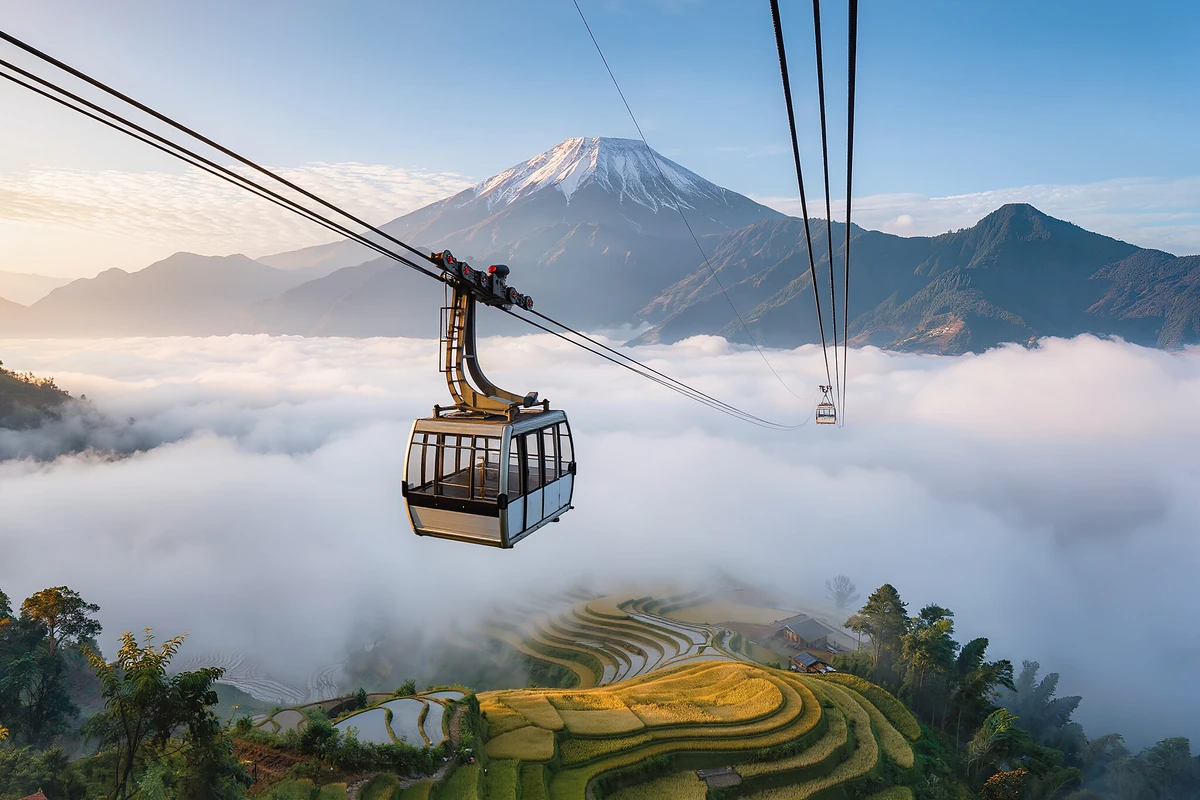
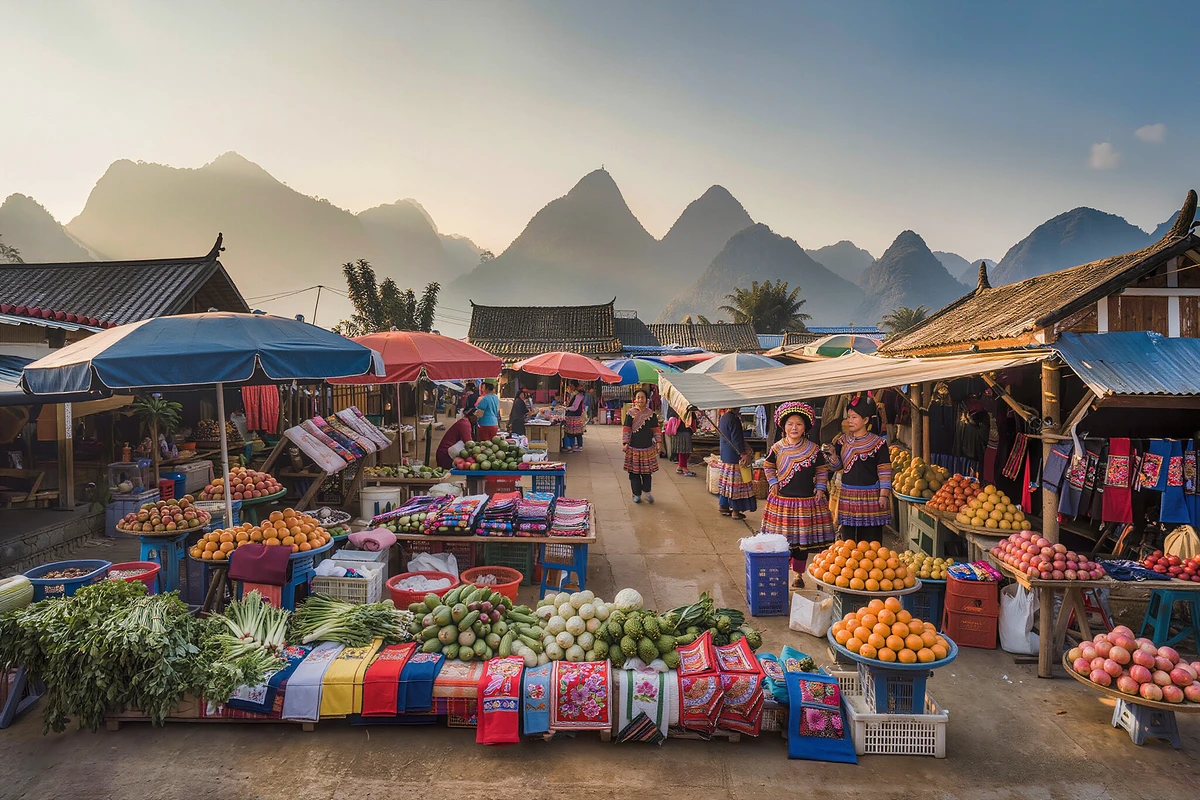
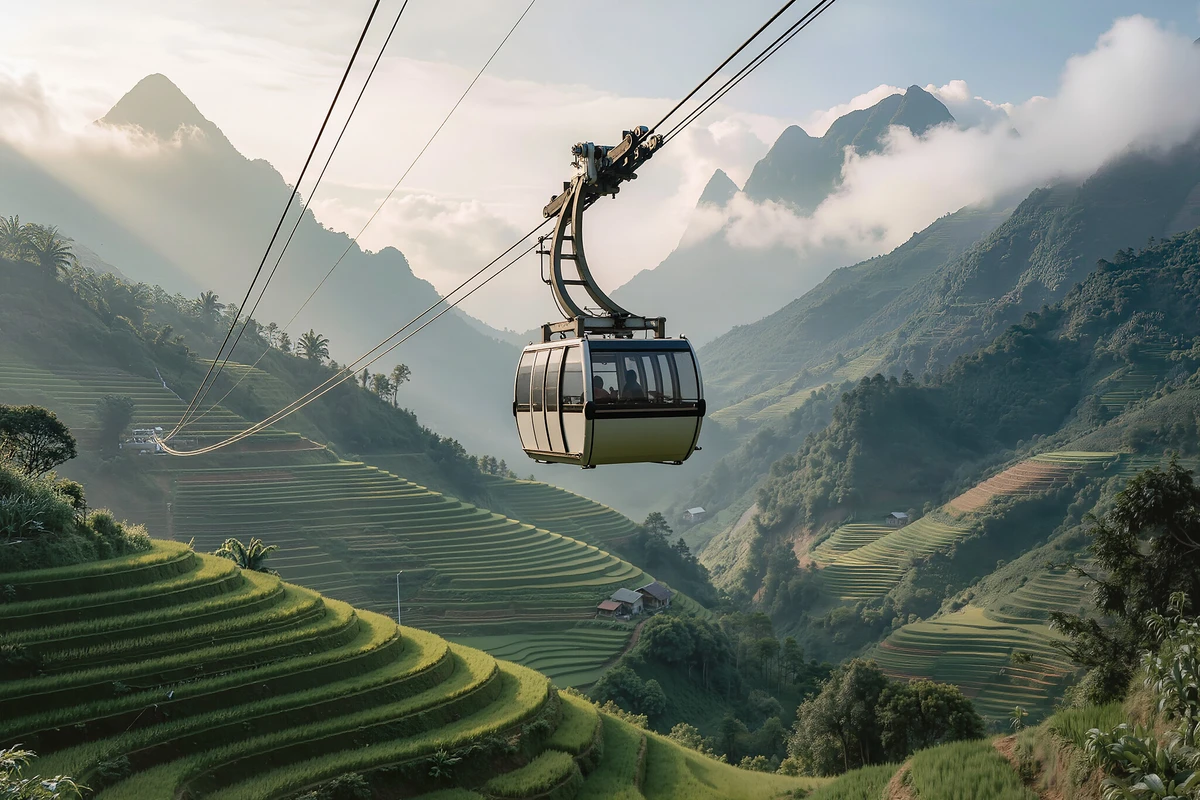
Photos show the places you visit; the boat or vehicle on the day may differ. Photos: Vivu Vietnam (CC BY-SA 4.0) · Christophe95 (CC BY-SA 4.0), via Wikimedia Commons
Some images are AI-generated for illustration. While we confirm your booking, just ask and we will send you the original photos.
- Fair, honest prices
- Real people, not bots
- Confirm, then pay
- Secure payment

Overview
Discover Vietnam's famous coffee culture on this hands-on workshop in the centre of Sapa town, in a bright room with views toward Fansipan, the highest mountain in Indochina, and the terraced Muong Hoa Valley. A local English-speaking instructor introduces the history of Vietnamese coffee and its regional traditions, then guides a small group step by step as you brew six classic styles yourself: slow-drip phin coffee, creamy egg coffee, coconut coffee, salted coffee, brown coffee with condensed milk and bạc xỉu, the milky white coffee loved by Saigon. All tools and ingredients are provided, and you leave with the recipes to recreate every drink. The class lasts about 2 to 2.5 hours, with sessions at 10:00 and 14:00, and is a perfect plan for rainy or misty days.
Highlights
- Hands-on Vietnamese coffee workshop in Sapa town
- Views toward Fansipan and the Muong Hoa Valley
- Brew 6 classic styles, from phin to egg coffee
- Coconut, salted and brown coffee and bạc xỉu
- Introduction to Vietnam's coffee history and culture
- Small group, beginner friendly, with a local instructor
- All tools, ingredients and recipes included
- Ideal indoor activity on rainy or misty days
Full Description
Sapa town, Fansipan and the Muong Hoa Valley
Sapa is a mountain town in the far north-west of Vietnam, about 1,500 metres above sea level in the Hoang Lien Son range, founded as a hill station in the early twentieth century and today the gateway to the rice terraces and villages of the Hmong, Red Dao and other ethnic minority communities. Its weather changes quickly, with sunshine, mist and rain often in the same day.
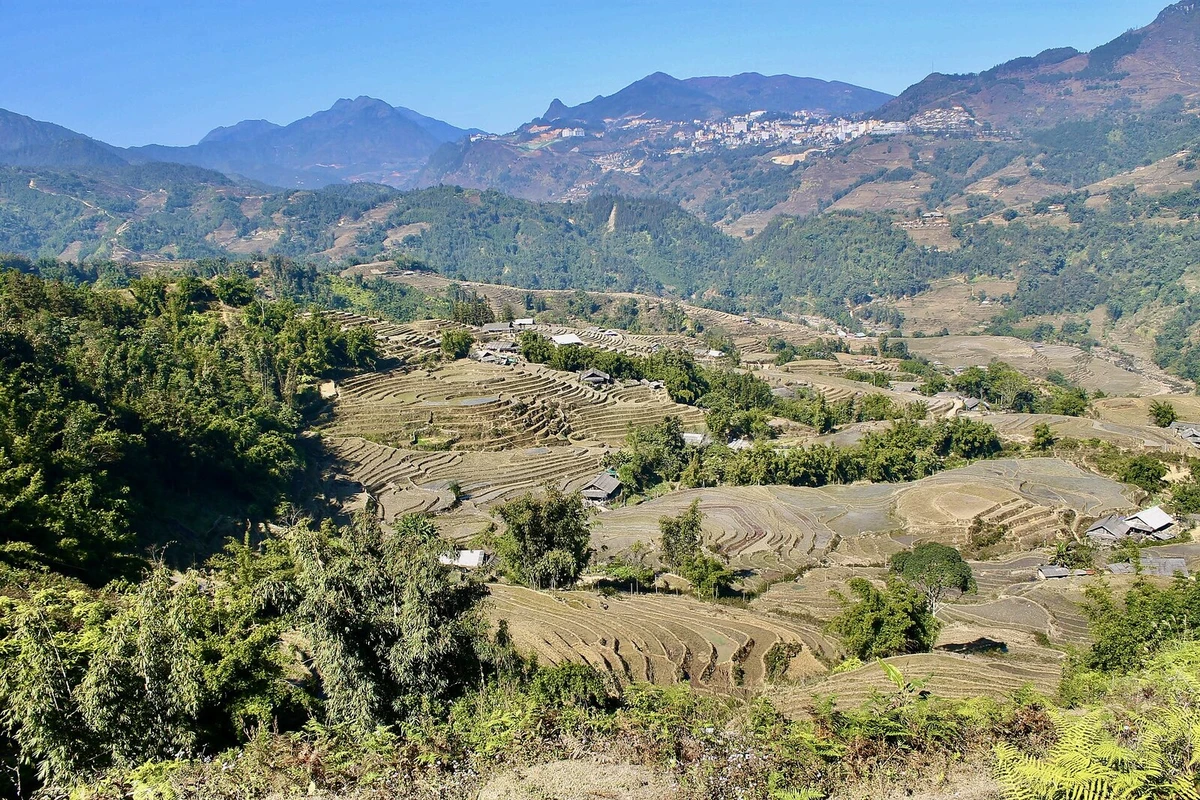
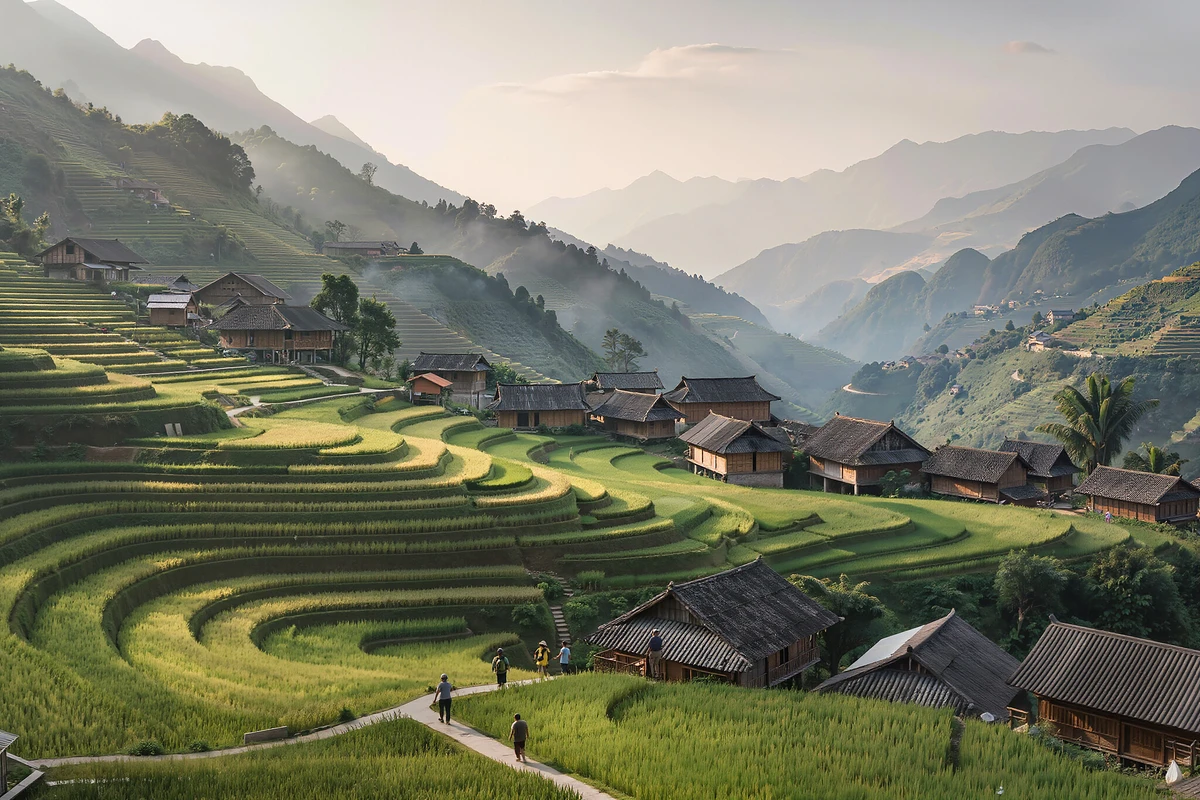
The workshop takes place on the 3rd floor of a building on Muong Hoa Street in the centre of town, with views toward Fansipan, at 3,143 metres the highest peak in Vietnam, Laos and Cambodia, and down into the Muong Hoa Valley, famous for its terraces that turn green in summer and gold before the September harvest. It is an easy walk from most hotels in Sapa.
The story of Vietnamese coffee
Coffee was introduced to Vietnam by French missionaries in the mid-nineteenth century, and today the country is the world's second-largest coffee producer, growing mostly strong robusta beans on the plateaus of the Central Highlands. Over time, Vietnamese people created their own ways of drinking it, shaped by local ingredients and by the scarcity of fresh milk, which made sweetened condensed milk a key ingredient.
Your instructor begins with this history and explains the regional traditions, from the street-side cafes of Hanoi to the bustling coffee culture of Saigon. You learn how to use the phin, the small metal drip filter that sits on top of a cup and lets the coffee drip slowly, and why Vietnamese coffee is roasted dark and served strong. If you are looking for things to do in Sapa on a rainy day, this is a delicious way to learn about the country.
Brewing six signature coffees
Step by step, you prepare a full tasting flight of six drinks. You start with classic phin coffee, black or with condensed milk, then whip egg yolks with sugar and condensed milk into the thick, creamy topping of egg coffee, a Hanoi speciality created in the 1940s when milk was scarce. Coconut coffee blends coffee with frozen coconut cream into a refreshing, almost dessert-like drink.
Salted coffee, a speciality of the former imperial city of Hue, balances bitterness with a light salted cream, while brown coffee mixes strong coffee with condensed milk over ice. Finally, bạc xỉu, a milky white coffee from Saigon, uses more milk than coffee. All six are strong in caffeine, so eat something before the class and sip slowly. The instructor shares tips so you can adjust each recipe to your taste.
Practical tips for the workshop
The workshop runs twice a day, at 10:00 and 14:00, and lasts about 2 to 2.5 hours. It is designed for small groups and complete beginners, and you take the recipes with you to brew Vietnamese coffee again after your trip. The venue is wheelchair accessible.
Sapa can be visited all year, but the best time to visit Sapa for views of the terraces is from September to November, and spring brings flowers and clear skies; in winter the town can be cold and foggy, which makes a warm coffee class even more welcome. After the workshop, you can explore the stone church and market in the town centre or walk down toward the villages of the Muong Hoa Valley.
Itinerary
- Arrive at the workshopMeet on the 3rd floor of the building at 35 Muong Hoa Street, Sapa, at 10:00 or 14:00.
- Coffee culture introductionLearn about the history of Vietnamese coffee and regional brewing traditions.
- Phin and egg coffeeBrew classic phin coffee and whip the creamy topping for egg coffee.
- Coconut, salted and brown coffeePrepare the southern and central specialities step by step.
- Bạc xỉu and tastingFinish with milky white coffee, taste your creations and receive the recipes; about 2 to 2.5 hours in total.
What's included
- Local English-speaking instructor
- Professional tools and all ingredients
- Guided brewing of 6 signature coffees: phin, egg, coconut, salted, brown and bạc xỉu
- Introduction to Vietnamese coffee culture
- Recipes to take with you
Not included
- Pickup services
- Tips and personal expenses
Amounts shown for items not included (such as entrance tickets, park fees, boat rides or optional extras) are set by the attractions and local suppliers, can change without notice and are given as a guide only. Please confirm the current amounts with us on WhatsApp before your tour. Haqqi Tours has no control over these third-party prices; they are paid by you on the day unless they are listed as included.
Is this right for you?
Great for
- Nature and wildlife lovers
- Food lovers
- A half-day plan — about 2.5 hours
- Travellers who want a proven choice — rated 4.9/5 by past travellers
Think twice if
- You want a private tour — this one is shared with other travellers
Meeting point
Go directly to the 3rd floor of the building at 35 Muong Hoa Street in the centre of Sapa town, a short walk from most hotels. Please arrive about 10 minutes before the 10:00 or 14:00 session. Hotel pickup is not included.
Important information
- All six coffees are strong in caffeine; eat something before the class
- Tell us if you need sugar-free or dairy-free versions when booking
- Hotel pickup is not included
- The venue is wheelchair accessible
- Arrive 10 minutes before your session
- Tips and personal expenses are not included
- A great choice on rainy or misty days in Sapa
Good to know
Frequently Asked Questions
Straight answers to what travellers ask us most, before they book.
Is this a shared or a private experience?
It is a shared small-group workshop with a local instructor.
How long does it take?
About 2 to 2.5 hours, with sessions at 10:00 and 14:00.
Is hotel pickup included?
No. The workshop is at 35 Muong Hoa Street in the centre of Sapa, within walking distance of most hotels.
What is included?
A local instructor, all tools and ingredients, guided brewing of six signature coffees and the recipes to take with you.
Is the price per person or per group?
The price is per person. The booking panel on this page shows the current price.
Which coffees will I make?
Phin filter coffee, egg coffee, coconut coffee, salted coffee, brown coffee and bạc xỉu.
Is it suitable for children or people with reduced mobility?
The venue is wheelchair accessible. The drinks are strong in caffeine, so the class is best suited to teenagers and adults.
Do I need any experience?
No. The workshop is beginner friendly, and the instructor explains every step.
What should I bring?
An appetite for coffee, a camera for the views and a light snack beforehand.
When is the best time to visit Sapa?
September to November for golden terraces and clear views, and spring for flowers. The workshop is ideal in any weather.
How do I book and confirm?
Choose your date and session in the booking panel and complete the booking. Our team confirms on WhatsApp within minutes.
More in Sapa

Getting to & around Sapa
Popular across Vietnam
-
-
-

-
-
-